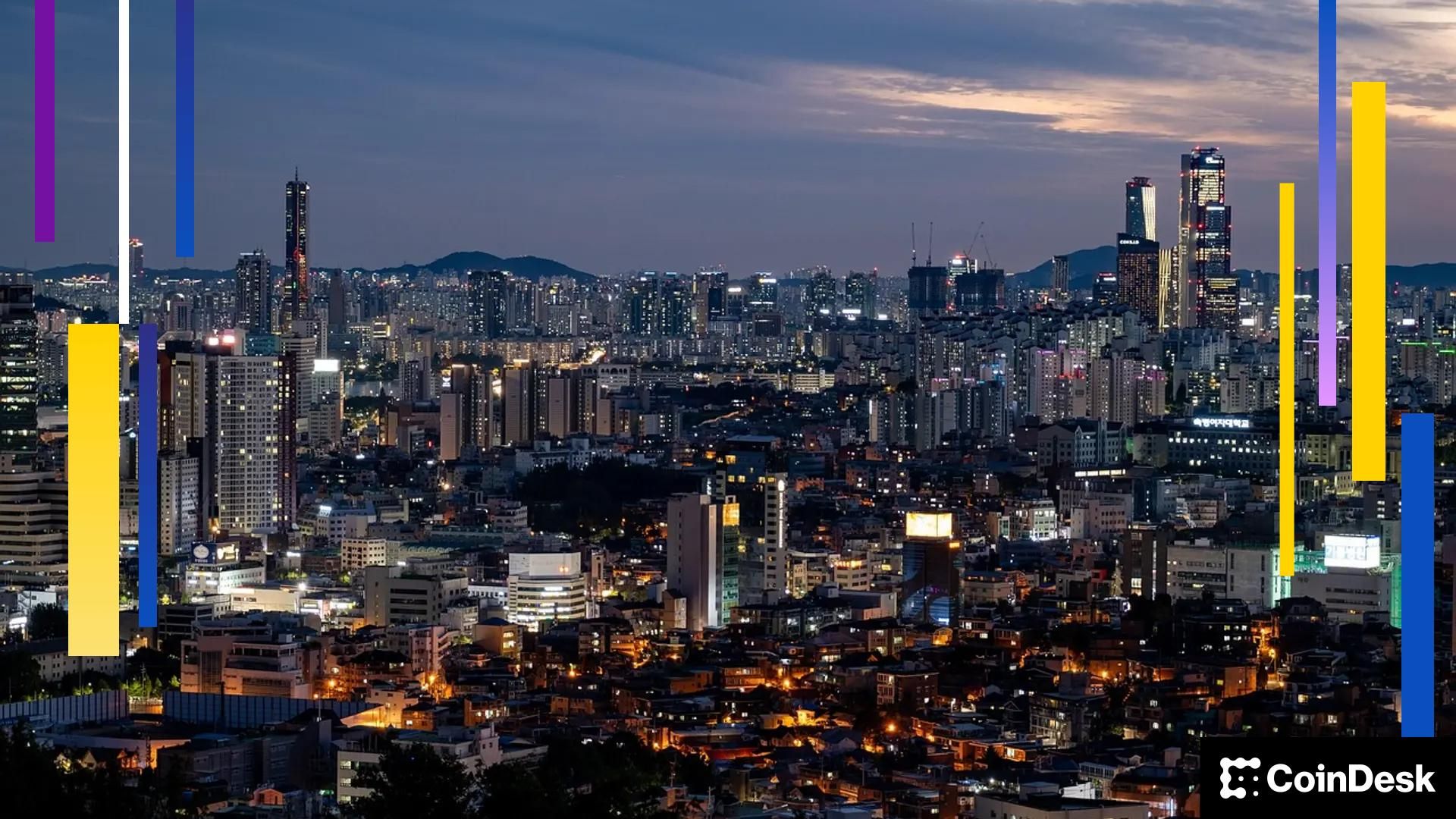
In a striking turn of events, South Korea’s stock market has experienced a rapid decline, with the Kospi index plummeting approximately 20% over two trading days. This downturn, attributed to rising geopolitical tensions and a correction in AI-related stocks, has prompted retail investors to reconsider their positions, potentially redirecting funds back into the cryptocurrency market.
The Kospi’s significant drop follows a period of aggressive buying by retail investors, which had previously driven the index up nearly 180% in less than a year, largely fueled by interest in major tech companies like Samsung and SK Hynix. The abrupt shift in market sentiment has led to increased activity in South Korea’s cryptocurrency exchanges, where trading volumes have begun to rise once more.
South Korea stands out as a market where retail traders play a crucial role in both stock and cryptocurrency investments. Analysts note that these traders often rotate their investments between speculative assets rather than exiting entirely. A previous analysis by CoinDesk highlighted this trend, referring to it as the “Great Korean Pivot,” which observed a shift from crypto to tech stocks in November. However, with the recent equity market reversal, attention is once again turning toward digital assets.
As the stock market cools, cryptocurrencies have begun to see a resurgence. Bitcoin has risen approximately 7% in the last 24 hours, surpassing $73,000, while other digital currencies such as Ether, Solana, and XRP have experienced similar gains. Despite this uptick, the current trading environment does not yet reflect the intense speculative behavior seen in past cycles.
One important indicator of retail interest in crypto is the Kimchi premium, which measures the price difference of Bitcoin between Korean exchanges and global markets. Currently, this premium remains modest, with the Korea Premium Index at around 1%, significantly lower than levels observed during previous retail-driven rallies. However, there has been a slight improvement in retail sentiment, as the premium had dipped into negative territory earlier in January.
While the recent rise in crypto trading volumes signals a potential shift, analysts remain cautious. The current market dynamics do not yet exhibit the frenzied trading patterns characteristic of earlier surges. Some experts warn that the ongoing rally could resemble a bull trap, citing substantial overhead supply and positioning in derivatives markets as potential risks.
The sharp decline in South Korea's stock market has led to increased trading activity in cryptocurrencies as retail investors shift their focus. Despite this resurgence, current trading volumes do not indicate a return to the speculative frenzy seen in previous cycles.