As temperatures rise slightly in Zaporizhia, the region’s terrain is becoming increasingly muddy, complicating military operations. Soldiers are forced to navigate on foot to avoid detection by enemy forces, particularly when approaching sensitive positions.
One soldier, known by the call sign “Marik,” explains the risks involved in moving close to the front lines, emphasizing the need for caution to avoid enemy airstrikes. He, along with a press officer from the 260th Territorial Defense Brigade, is en route to meet with air reconnaissance teams operating drones named “Furija” and “Heidrun.”
With four years of experience in the ongoing conflict, Marik has become intimately familiar with the Zaporizhia region, even more so than his hometown of Mariupol. He constantly monitors the skies for enemy drones and airstrikes, which have become a frequent threat. The sound of bombs falling is a stark reminder of the ongoing dangers in the area.
During the journey, Marik frequently checks his phone for updates on enemy movements, demonstrating his understanding of drone operations, having previously piloted various types of drones himself. The team is keen to avoid getting stuck in the muddy terrain, as it would be difficult to extricate their vehicle.
Upon reaching their destination, the team visits the Heidrun crew, where they are welcomed with coffee. The pilot, Ivan, hails from the local Vilyansk region and joined the military as soon as the war began. Initially serving as a medical evacuation driver, he later transitioned to artillery and is now learning to operate reconnaissance drones.
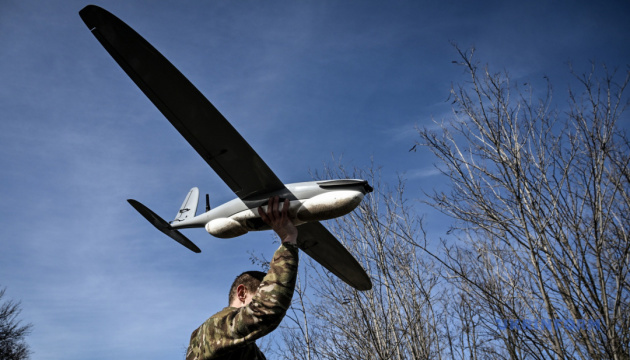
Ivan, 33, admits that mastering new skills can be challenging. He describes the initial moments of flying the drone, where he first sees a dark screen before activating the camera to survey enemy positions. The drone, which can be launched by hand, is equipped with both day and night cameras, allowing the crew to locate enemy artillery and troop movements.
As they converse, the ground vibrates from enemy bombings, a constant reminder of the risks involved. Ivan explains that while the explosions may seem distant, they can pose a significant threat if they occur nearby.
After visiting the Heidrun crew, the team heads to the Furija positions. Marik explains that operating a drone requires certification, similar to driving various types of vehicles. Both drones are designed for reconnaissance and artillery coordination, but the Heidrun is notably quieter, allowing for stealthier operations.
Marik reflects on the evolution of drone warfare, noting that earlier in the conflict, they operated from open fields, but now they are prime targets for enemy forces. He emphasizes the importance of adapting to the changing nature of warfare.
As the team approaches the Furija crew, they are greeted by Vadim, who joined the military in 2023 after serving in the infantry. He recounts the differences between his previous role and operating drones, highlighting the strategic advantages drones provide in reconnaissance.
The external pilot for Furija, known as “Sarmat,” shares his background in sales before joining the military. He recalls the challenges faced in the early stages of the conflict, including a lack of artillery and drones, which hindered their operations.
Sarmat reflects on the importance of reconnaissance and coordination in their current roles, emphasizing the need to support infantry units effectively. He expresses a desire to learn to operate strike drones, hoping to contribute more directly to combat efforts.
The team discusses the significant changes in the region due to the ongoing conflict, with many towns and villages now unrecognizable. They recount the difficulties in locating specific areas, underscoring the devastation left in the wake of war.
Note: The A1-SM “Furija” drone system was developed by a Ukrainian company and has been in use since 2014. The RQ-35 Heidrun is a reconnaissance drone supplied to Ukrainian forces, with some units funded through donations from international supporters.
Ukrainian soldiers in Zaporizhia are adapting to the challenges of drone warfare amid difficult terrain and ongoing threats from enemy aerial attacks. As they navigate the complexities of operating advanced drone systems, their experiences highlight the evolving nature of modern combat in the region.
