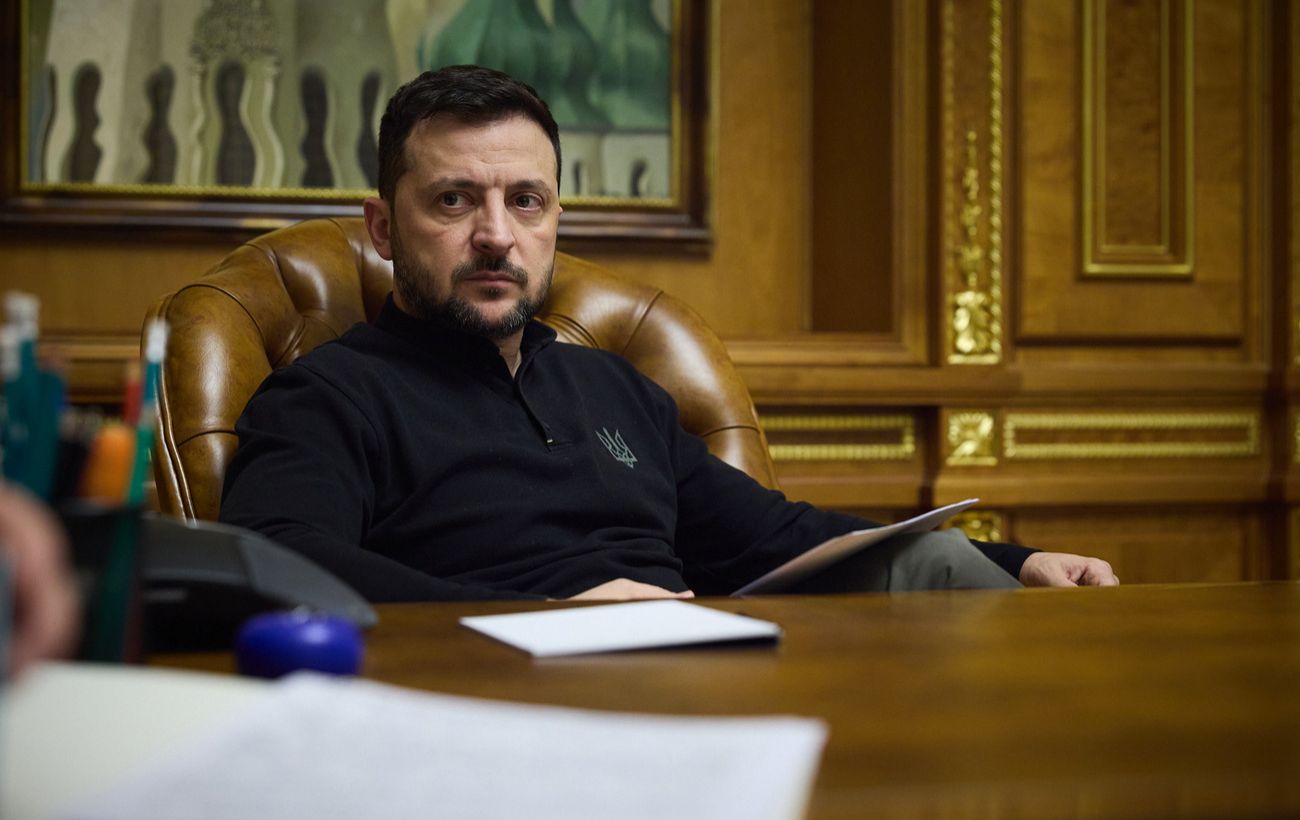
The National Security and Defense Council of Ukraine has approved resilience plans for all regions and major cities, with the exception of Kyiv, which has been granted additional time to prepare necessary documentation. This decision follows a meeting where representatives from various regions reported on their readiness for the upcoming winter season.
President Volodymyr Zelensky emphasized that the experiences from the previous winter will inform future decisions regarding infrastructure protection, logistics, and energy restoration following Russian attacks. He stated, “The experience of this winter will serve as the basis for further decisions, specifically: updating protections for infrastructure, logistics, and key energy facilities, as well as restoring facilities after Russian strikes and ensuring additional energy capabilities.”
Zelensky noted that Kyiv was not adequately prepared for the previous winter and stressed the importance of readiness for the next season. He stated, “Each city and every Ukrainian community must be prepared for any scenario next winter and for the real support of the people.” The government, along with the Ministry of Defense and the Air Forces of Ukraine, will assist regions in their preparations.
During a briefing following the National Security Council meeting, Prime Minister Yulia Svyrydenko pointed out that Kyiv submitted its resilience plan without the signature of the city’s mayor. She emphasized the need for local leaders to take full personal responsibility for their regions’ readiness for the upcoming heating season. “It is crucial that every city leader and every regional head, along with us as the government, bear full personal responsibility for the preparation of regions and cities for the next heating season,” she stated.
Kyiv has been given a one-week deadline to submit a properly formatted resilience plan. Svyrydenko explained that these plans include four key components:
- Protection of critical infrastructure with second and third-level defenses;
- Construction of additional cogeneration facilities;
- Decentralized heating systems;
- Decentralized water supply systems.
She also noted that the implementation of all resilience plans is estimated to require 215 billion hryvnias. “The agenda focused on a single issue—the Comprehensive Resilience Plan for regions and specific cities. However, this is essentially a matter for the entire country. We are preparing for the autumn-winter period of 2026/2027 amid ongoing war and constant threats to energy and critical infrastructure,” said Minister of Economy Rustem Umerov.
In discussions with infrastructure advisor Oleksandr Kubrakov, Zelensky highlighted the need to incorporate real experiences from communities during the last winter into planning for the next season. He remarked, “The key is to take into account all the real experiences of communities from this winter while planning protections for the next. Ukraine must be ready for any developments, and it is important that cities and communities that were unprepared this winter, including Kyiv, can improve their readiness for the next season.”
The National Security and Defense Council of Ukraine has approved resilience plans for all regions except Kyiv, which has been given extra time to prepare. The plans aim to enhance infrastructure and energy readiness for the upcoming winter amid ongoing threats.