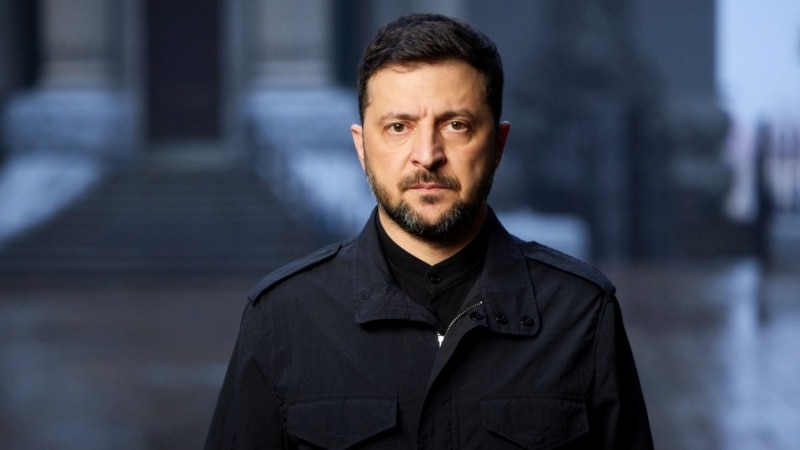
In early March, former U.S. President Donald Trump expressed concerns regarding Ukrainian President Volodymyr Zelensky’s willingness to engage in negotiations aimed at resolving the ongoing conflict between Russia and Ukraine. Trump’s remarks highlight a critical moment in the geopolitical landscape as the war continues to affect millions.
During a public appearance, Trump stated that Zelensky has not demonstrated sufficient readiness to pursue diplomatic discussions that could potentially lead to an end to hostilities. This assertion raises questions about the current state of negotiations and the international community’s role in facilitating peace.
The war, which began in February 2022, has resulted in significant humanitarian crises and geopolitical tensions. As military actions persist, the prospects for peace remain uncertain. Trump’s comments reflect broader concerns among political leaders regarding the effectiveness of diplomatic efforts in the region.
Negotiations have been sporadic, with both sides maintaining firm positions. The international community, including various governments and organizations, continues to call for dialogue, yet tangible progress has been elusive. Trump’s remarks may influence perceptions of Zelensky’s leadership and the strategies employed by Ukraine in its ongoing struggle.
As the situation evolves, the emphasis on negotiation readiness becomes increasingly relevant. Observers are closely monitoring both Ukraine’s internal political dynamics and the responses from Russia, as these factors will significantly impact the future of the conflict.
Former President Donald Trump's comments regarding Ukrainian President Zelensky's negotiation readiness underscore ongoing challenges in resolving the Russia-Ukraine conflict. As military actions continue, the international community remains focused on the need for effective diplomatic efforts.