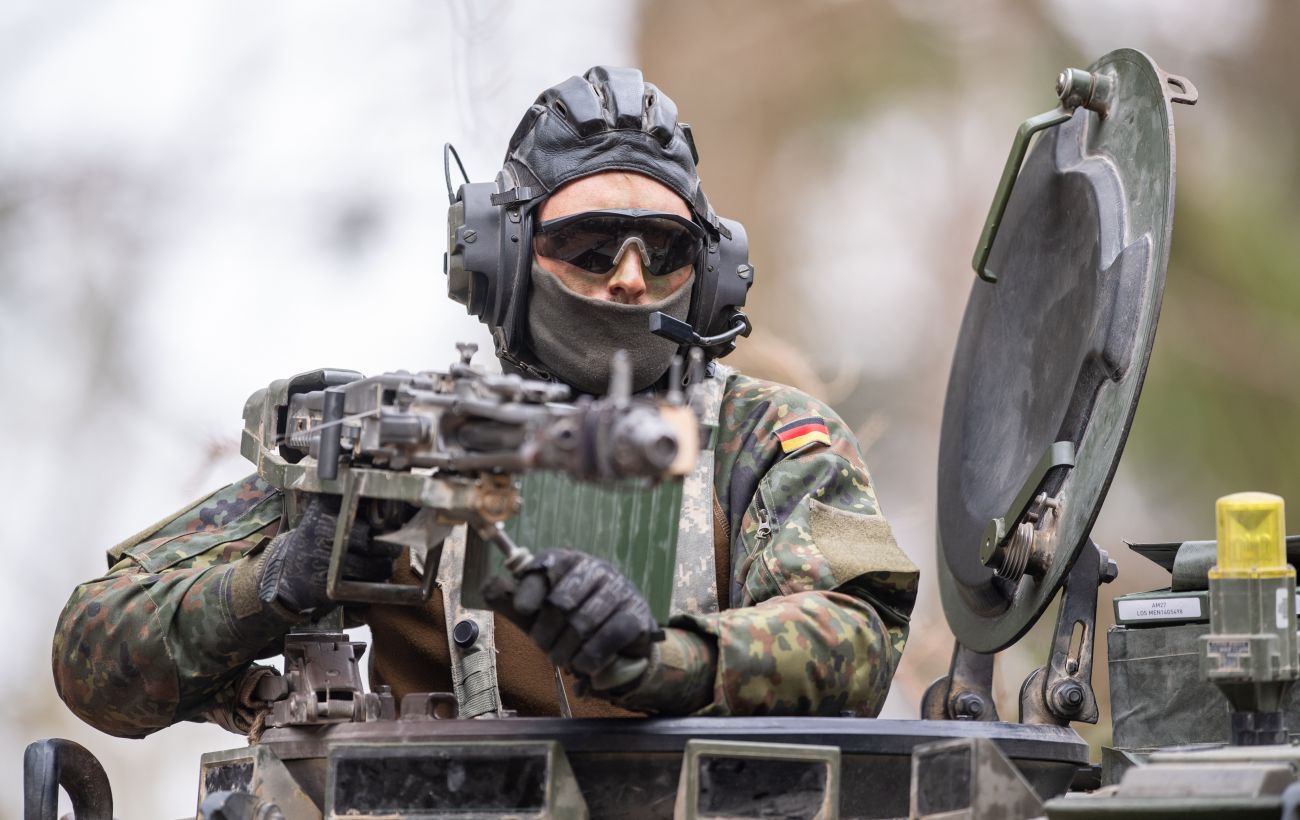
European nations possess the capacity to produce advanced weaponry but remain critically reliant on the United States for intelligence, logistics, and command capabilities. This dependence complicates efforts to deter Russian aggression without American support.
NATO Secretary General Mark Rutte has publicly criticized the notion of European defense without U.S. involvement, asserting that the continent lacks sufficient capabilities without American backing.
While the European industrial base is capable of manufacturing tanks, aircraft, missiles, and artillery, it still heavily depends on the Pentagon for intelligence, logistics, communication, and command systems. These components are essential for the effectiveness of all combat platforms.
European Union Defense Commissioner Andrius Kubilius has stated that Europe must prepare to replace American strategic assets with its own. However, experts acknowledge that achieving complete independence from the U.S. would be an extraordinarily costly and lengthy process.
Rutte estimates that such a transition could cost up to 10% of GDP, which is double the current NATO defense spending target. Analysts from the International Institute for Strategic Studies estimate potential expenses at around $1 trillion.
In terms of air surveillance, NATO countries are exploring alternatives to the AWACS aircraft. Some allies are considering the European Saab GlobalEye as a substitute for the American Boeing E-7A Wedgetail.
In air defense, alongside American Patriot systems, the Franco-Italian SAMP-T complex is available and is already in use by Ukraine.
Europe also has its own transport aircraft, the Airbus A400M, but lags significantly behind the U.S. in aerial refueling capabilities, with the American fleet comprising approximately 450 tankers compared to around 156 in Europe.
The most significant vulnerabilities lie in intelligence and space capabilities, where Europe relies heavily on U.S. resources. European nations largely depend on American satellite data and surveillance systems.
Following a temporary suspension of intelligence sharing between the U.S. and Ukraine, Kyiv and its allies have intensified their search for alternatives. Ukraine, for instance, is utilizing data from the Finnish company ICEYE, while French President Emmanuel Macron has indicated that Paris provides about two-thirds of Ukraine’s intelligence support.
Meanwhile, the EU is developing its own satellite system, IRIS², which aims to serve as an alternative to Starlink, although its launch is not expected until 2030.
A separate challenge is the political fragmentation within the EU. Defense decisions often require unanimity, complicating rapid actions. Experts emphasize that the primary issue for Europe is not a lack of resources but rather a lack of coordination.
Amid growing doubts about the long-term reliability of the U.S. as a security partner, the question of Europe’s strategic autonomy is becoming increasingly pivotal for the continent’s future.
European nations are capable of producing advanced military equipment but remain heavily reliant on the U.S. for crucial support in intelligence and logistics. This dependence raises questions about the continent's strategic autonomy and its ability to respond to security challenges without American assistance.