The European Union has announced a new financial aid package for Ukraine, amounting to €18 billion, sourced from revenues generated by frozen Russian assets. This decision underscores the EU’s ongoing commitment to support Ukraine amid the ongoing conflict with Russia.
During recent discussions, EU leaders focused on two primary objectives: enhancing support for Ukraine and increasing pressure on Russia. European Commission President Ursula von der Leyen emphasized that to end the war, the EU must confront Russia rather than reward it. She noted the importance of strengthening sanctions against Russia, rather than easing them. In this context, Brussels is preparing a 20th sanctions package aimed at tightening restrictions on Russia’s shadow fleet.
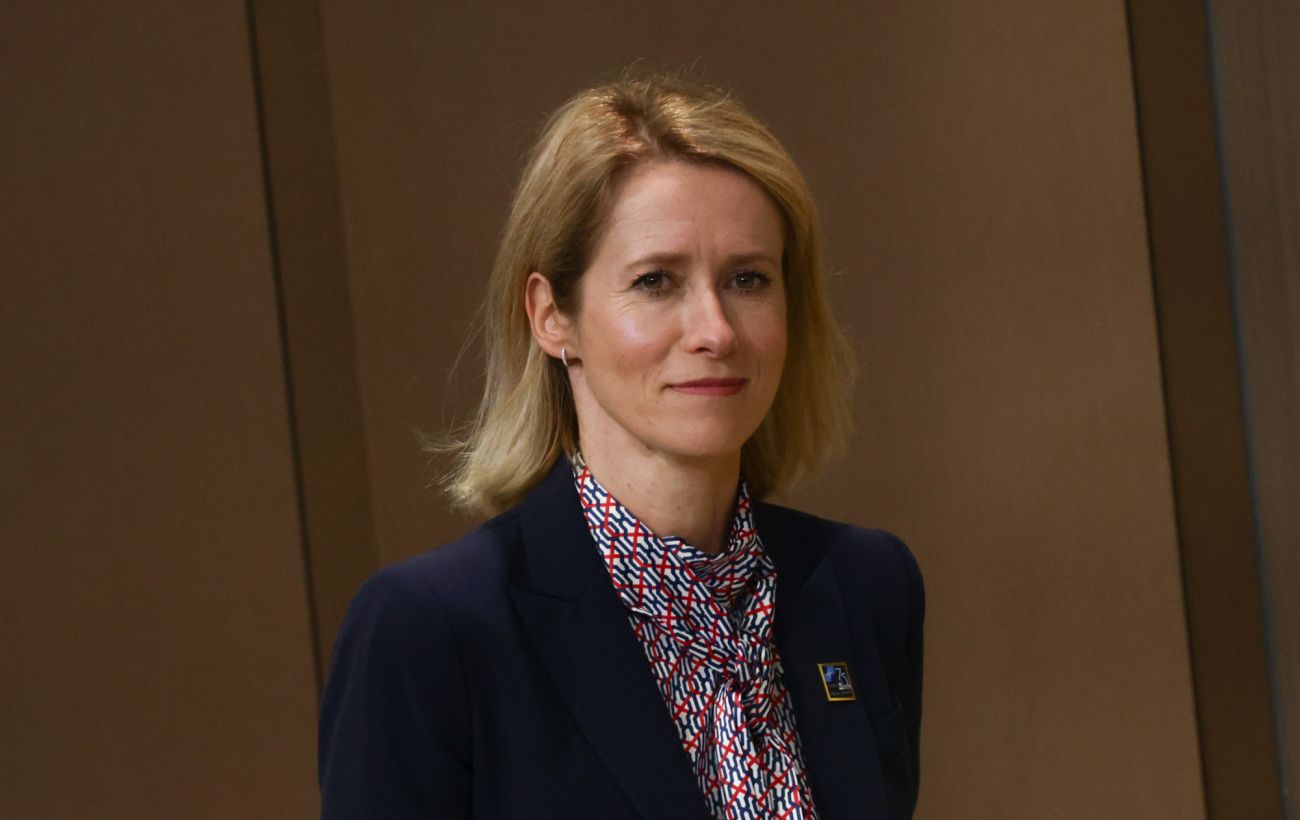
“Today, I am pleased to announce that we are providing Ukraine with an additional €18 billion, derived from revenues from frozen Russian assets,” stated the EU’s chief diplomat.
In addition to financial support, discussions also addressed Ukraine’s energy needs. The EU is mobilizing international assistance for the supply of generators and repair equipment to ensure that Ukraine is better prepared for the upcoming winter.
It is important to note that over the four years of the full-scale war initiated by Russia against Ukraine, the EU has not yet taken the step of confiscating all frozen assets for the benefit of Ukraine. Instead, Brussels has opted to allocate revenues from these frozen assets to support Ukrainian efforts.
Recently, EU member states considered the possibility of providing Ukraine with a reparations loan backed by Russian assets. However, this initiative did not garner sufficient support within the bloc.
The EU has committed €18 billion in aid to Ukraine, sourced from frozen Russian assets, while reinforcing sanctions against Russia. Discussions also included energy support for Ukraine as winter approaches.