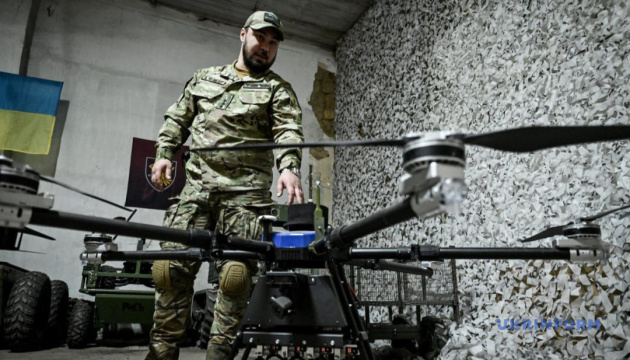
Soldiers from the 95th Separate Air Assault Brigade, stationed in Dnipropetrovsk, have shared insights into the innovative use of drones and robotic systems in modern warfare. These technologies play a crucial role in logistics and combat operations, enhancing the capabilities of military units engaged in ongoing conflicts.
According to the soldiers, the nature of warfare has evolved significantly, requiring rapid adaptation and the implementation of new strategies. They describe a continuous struggle for control, where any lapse in vigilance can result in the loss of positions, personnel, and equipment.
The integration of aerial and ground-based unmanned systems is becoming increasingly vital, with robotic units conducting reconnaissance, coordinating strikes, and facilitating the evacuation of troops. Additionally, logistics robots are capable of delivering supplies to infantry units within minutes, leading soldiers to humorously refer to their operations as a “courier service” on the battlefield.
During discussions with the 95th Brigade, which has been actively involved in liberating various settlements in the region, soldiers emphasized the importance of these technological advancements. Commander of the brigade’s drone unit, known by the call sign “Rys,” explained how their operations have transformed. He noted that while previously they operated drones within a range of 10-12 kilometers, they are now able to engage targets from greater distances without losing effectiveness.
“The area of control has expanded significantly,” Rys stated. “We can now cover a larger zone and engage enemy pilots from further away, ensuring that they are not safe even at a distance.” The use of drones has also reduced the need for infantry to transport supplies, thereby increasing their survivability on the frontlines.
Rys shared an anecdote about delivering unexpected items to soldiers in the field, including warm broth, which was well-received. Such deliveries highlight the flexibility of drone capabilities, as they can transport a variety of supplies quickly.
Reflecting on his experiences, Rys, who hails from Dnipropetrovsk, noted the significant changes in military technology since the onset of the full-scale invasion. “When I joined the army, we had limited access to drones, but now we are adapting to high-tech warfare,” he said. He emphasized the importance of teamwork and meticulous planning in executing operations, particularly in rural areas where enemy forces often utilize buildings for cover.
As the 95th Brigade continues its operations, they have participated in the liberation of several settlements, including Novooleksandrivka and Verboevo. Rys pointed out that each advance, even as small as 100 meters, requires extensive effort and planning due to the complexities of the battlefield.
Meanwhile, fellow soldier and commander of ground robotic systems, known as “Zahar,” echoed Rys’s sentiments regarding the transformation of warfare. He highlighted the effectiveness of unmanned ground vehicles (UGVs) in logistics and combat roles, noting that these systems often draw enemy fire away from personnel, thereby enhancing troop safety.
“Our robots take the hits, allowing our soldiers to focus on their missions,” Zahar explained. He described various robotic systems, including kamikaze drones designed to destroy enemy fortifications and heavy bombers capable of transporting substantial payloads.
Both commanders emphasized the critical role of drones in modern warfare, particularly in reducing casualties and improving operational efficiency. They noted that without these advancements, the cost of securing territory would be significantly higher.
As the conflict continues, the integration of technology into military operations remains a focal point, illustrating the ongoing evolution of warfare in the face of changing tactics and strategies.
Soldiers from the 95th Separate Air Assault Brigade in Dnipropetrovsk discuss the transformative role of drones and robotics in modern warfare. These technologies enhance logistics and combat capabilities, significantly impacting operational efficiency and troop safety.
