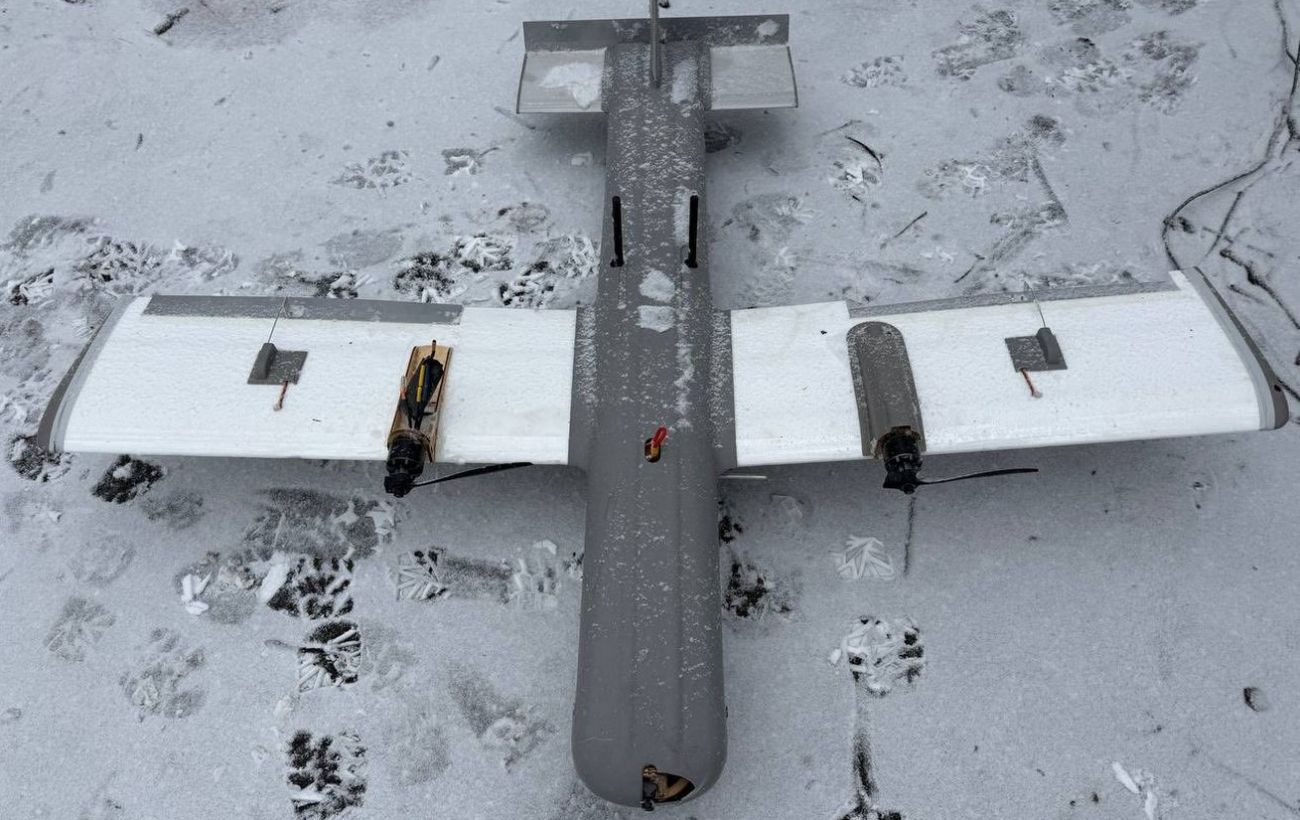
Russia has begun equipping its strike drones, known as “Molniya,” with a new MESH modem, similar to those used in the “Shahed,” “Gerbera,” and “Kub” drones, albeit in a smaller form factor. This development was highlighted by a military source who shared images of the updated drone configuration.
The MESH modem operates on two channels, each with a power output of five watts, and functions within a frequency range of 1300 to 1500 MHz. The integration of this technology aims to unify the control systems of various drone types into a single network, enhancing operational efficiency.
The military source emphasized that this move represents a standardization of the receiving and transmitting equipment across different drone models. This unification could potentially streamline command and control operations for Russian forces.
“What will they do next? They will likely connect this unified control network to their reconnaissance systems. We have our own insights on their plans, and it’s crucial to anticipate their moves in advance,” stated an advisor to the minister.
The MESH modem is designed to create a robust communication network composed of multiple modules that work together to eliminate communication dead zones. Its application in drones allows for the formation of a dynamic network with chain relaying, where each modem acts as a relay for others, thereby enhancing overall connectivity.
As this technology evolves, it could significantly impact the operational capabilities of Russian drones, potentially altering the dynamics of aerial engagements in the region.
Russia's integration of the MESH modem into its Molniya drones marks a significant step in enhancing drone communication networks. This development could improve operational coordination among various drone types, potentially affecting future military engagements.