“In Ukraine, cenotaphs are allowed, but there is no clear procedure for opening them for the families of the dead.”, — write: www.pravda.com.ua
In one of the communities of Poltava Region, after the court verdict declaring their son, husband and father dead, the family decided to install a tombstone on an empty grave. For them, it was not about formality or public recognition, but about a point of support, about a physical place where you can come, talk and grieve.
After that, the process of negotiations began. The city administration, communal services, and the Territorial Procurement Center sympathized and did not object. But the same thing sounded almost everywhere: “We don’t mind, but we don’t know how to do it right.” The place was negotiated for months. They bought the flag themselves. Comrades from the unit came not because of an order, but because it was so necessary.
Advertising:
When the memorial site at the cemetery was finally opened, many people came. For the family, it was a moment when the pain took shape. Another confirmation for the system: the state allowed the installation of memorial tombstones, but did not define what should be a worthy moment of farewell where there is no grave, but there is a recognized loss.
This case is neither exceptional nor unique. The war opened up many new or forgotten forms of memory in Ukraine. Among them are cenotaphs — symbolic places in cemeteries in honor of those Defenders whose bodies were not returned home, and the fact of death was established by a court decision. In practice, it becomes clear that this is, first of all, the need of the family — to have a space where you can come, put flowers, feel the presence of someone who is not around.
In November 2024, the government adopted Resolution No. 1373, which for the first time regulated the procedure for establishing cenotaphs. Since then, communities can allocate land plots for such places in cemeteries. But the regulatory arrangement does not yet mean the readiness of the system.
The decree defines the right, but does not give an answer as to what exactly the opening ceremony should look like: who takes part in it, what the procedure should be, who hands over the National Flag to the family. For many families, it is fundamentally important that the tombstone be in the sector of military burials – next to their brothers, among those who also gave their lives for Ukraine.
Today in Ukraine, there is only a military funeral ritual — a procedure used during the burial or reburial of dead or deceased servicemen and veterans. Where there is no burial, there is no ritual. Because of this, the heads of the territorial recruitment centers cannot officially involve personnel or equipment, and the participation of the military in the ceremonies remains an exception based on human initiative. In different communities, everything looks different: somewhere they help informally, somewhere the family conducts the opening on its own. As a result, the level of dignity of the ceremony does not depend on the minimum state standard, but on the goodwill of the people. The framework developed and implemented by the state in this part is important not as unification of the entire process, but as a symbolic element. The tribute to the fallen should sound on behalf of the state and unite the memory of all those who died for it, regardless of place and circumstances.
Families are forced to go through all instances — from communal services and local administration to the TCC. In most cases, they hear the same thing: “We don’t mind, but we don’t know how to arrange it.” The lack of a procedure creates uncertainty, which complicates not only the administration, but also the moment of farewell itself. Only the persistence of the family or the initiative of the brothers allow the ceremony to be held in a dignified manner. Often it takes place without a military presence, without a flag, without the participation of the state.
The national flag of Ukraine in such a ceremony is not a secondary attribute. It is his solemn presentation to the family that turns the event into an act of state memory. In future changes to the legislation, it is important to define who is responsible for providing the flags at cenotaphs and to establish the procedure for handing over the flag to the family. Today, this duty is actually performed by families, communities or military units themselves, who bring flags, sometimes the flags of their units.
A year has passed since the introduction of the possibility to install memorial tombstones. The experience of communities and families shows that a separate procedure for the ceremony accompanying their opening is needed. This should be a clear procedure for giving military honors – where there is no grave, but there is a memory.
A cenotaph is not an architectural form, but an element of acceptance of loss. For many families, it means the end of a period of uncertainty, a moment when you can come, pray, be close. At this moment, the family should not be left alone.
Local self-government bodies and the military, which are ready to help, need a clear framework — the procedure, provision of the necessary attributes, and the state’s participation in a certain way.
Symbolic tombstones have already become part of our remembrance practices. The task of the state is to ensure that each of them is not only a sign of family love, but also a confirmation of the dignity that the state is able to express to those who gave their lives for Ukraine.
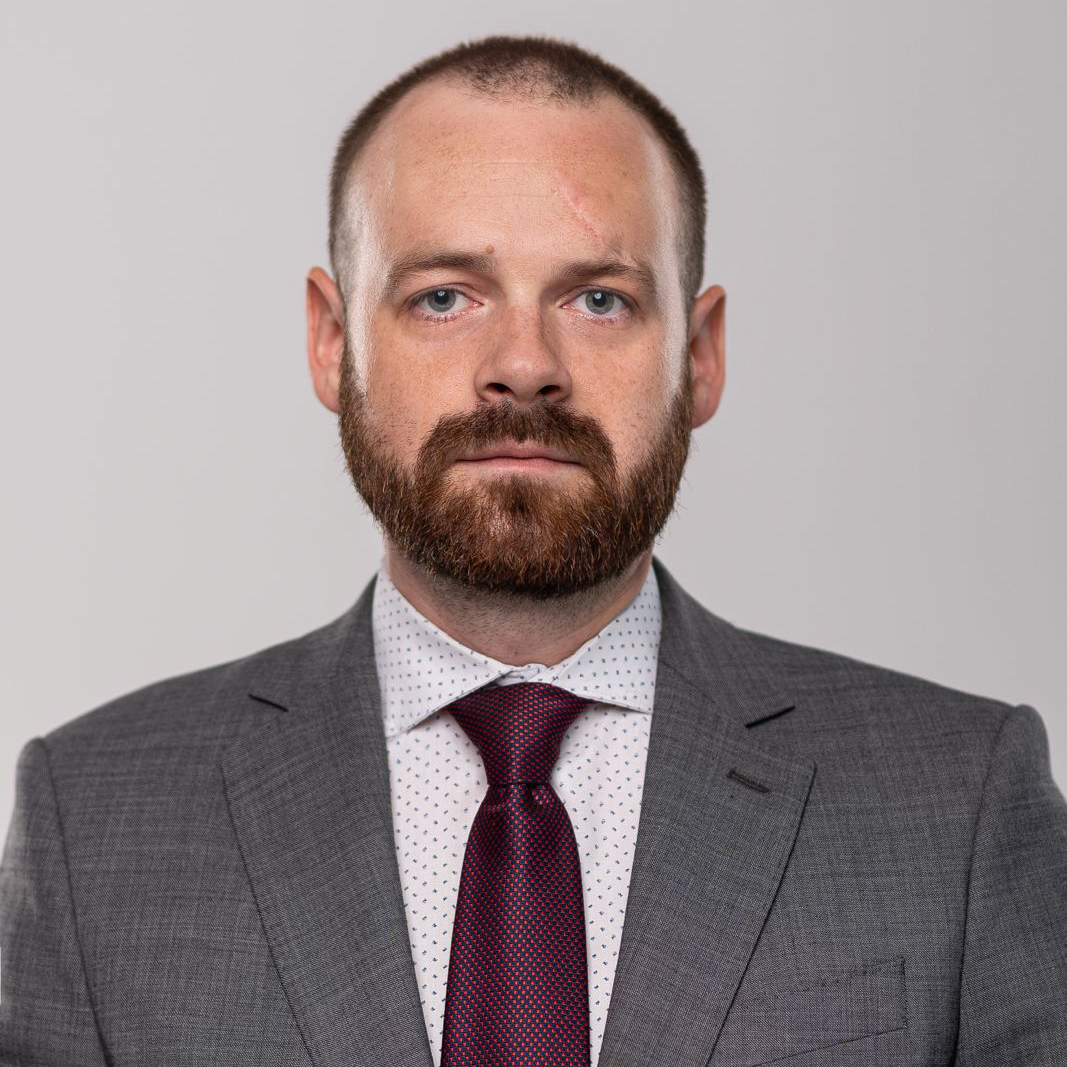
Konstantin Tatarkinveteran, IREX veterans advisor
A column is a type of material that reflects exclusively the point of view of the author. It does not claim objectivity and comprehensive coverage of the topic in question. The point of view of the editors of “Economic Pravda” and “Ukrainian Pravda” may not coincide with the author’s point of view. The editors are not responsible for the accuracy and interpretation of the given information and perform exclusively the role of a carrier.