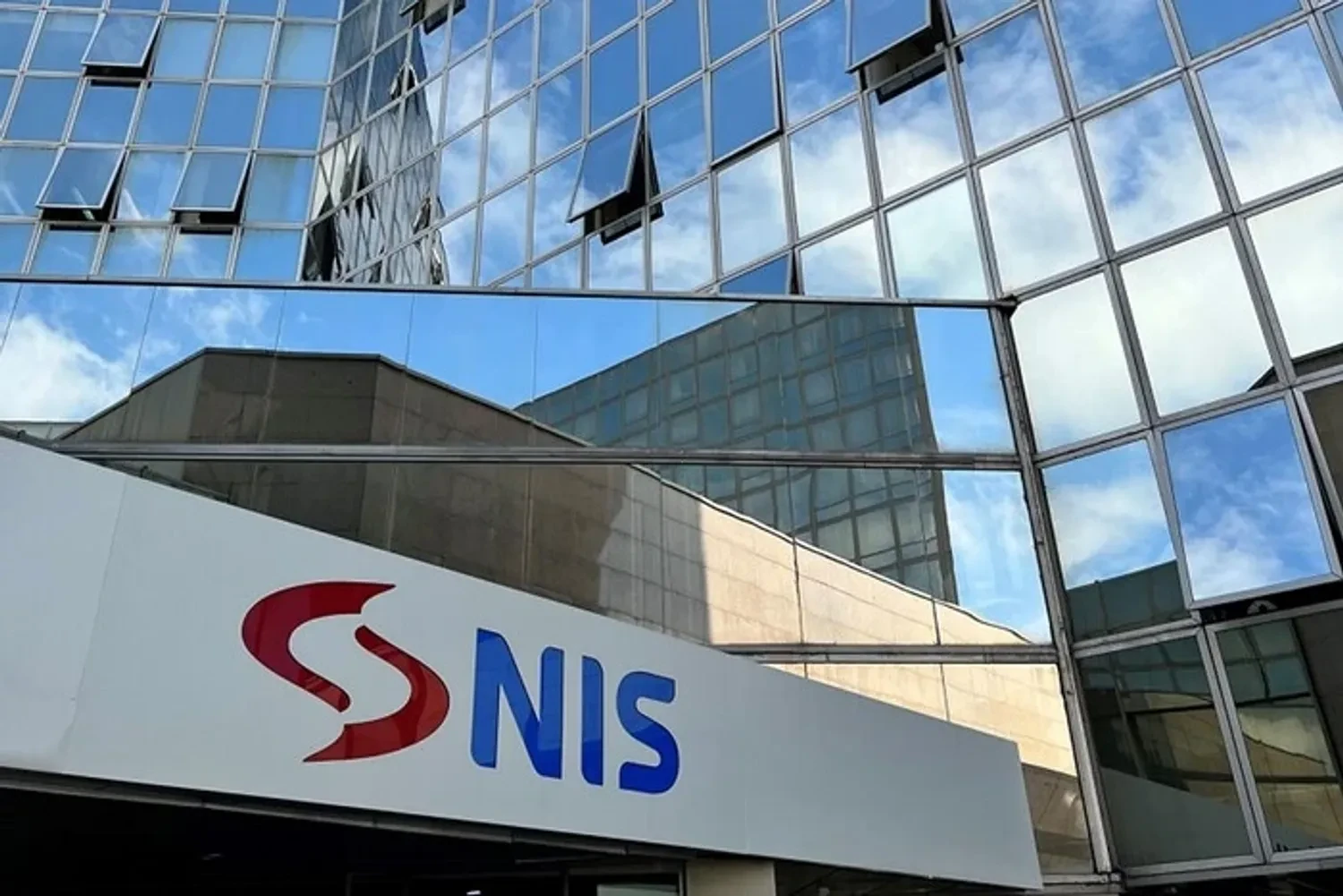
“Hungary’s Mol close to deal to buy Gazprom’s stake in sanctioned Serbian refineryHungarian energy company Mol Nyrt. is nearing a takeover of Serbia’s sole oil refinery as U.S. sanctions force Russia’s Gazprom Neft PJSC to sell its controlling stake. Hungary will ask U.S. authorities to lift sanctions on the Serbian refinery.
”, — write: unn.ua
DetailsWithin days, Mol and Gazprom Neft will announce an agreement on the Russian company’s stake in NIS AD, after which Hungary will ask US authorities to lift sanctions on the Serbian refinery, Hungarian Foreign Minister Péter Szijjártó said in Belgrade on Thursday.
Serbia is overcoming a fuel crisis with emergency supplies from Mol after US sanctions on NIS took effect in October. The sanctions, imposed for Russia’s full-scale invasion of Ukraine, were temporarily lifted in late December to allow time for acquisition negotiations.
According to Szijjártó, Mol wants to acquire a controlling stake in NIS, which would be a boon for the Budapest-based oil company, which already operates refineries in Hungary, Croatia, and Slovakia. Mol’s shares rose by more than 2% after Szijjártó’s comments, increasing its annual gain to 18%.
Companies associated with Gazprom currently own 56% of NIS shares, with the Serbian state controlling 30% and minority shareholders owning the rest. Serbia would like to increase its stake by 5 percentage points, said the country’s Energy Minister Dubravka Đedović Handanović.
“The goal is for negotiations to conclude this week and to sign a binding agreement on the transfer of ownership” with Gazprom before asking the US to lift sanctions, Handanović said at a joint briefing with Szijjártó.
Hungarian Prime Minister Viktor Orbán seeks to leverage his relationships with Kremlin head Vladimir Putin and Donald Trump in negotiations over the NIS refinery, after years of cultivating close ties with the American and Russian presidents. The deal would give Orbán a potential boost ahead of the April 12 elections, as his ruling party lags in polls after 16 years in power, the publication writes.
NIS assets include a refinery in Pančevo with a capacity of 4.8 million tons per year, as well as a network of retail gas stations in Serbia, Romania, Bulgaria, and Bosnia.
Vučić announced the resumption of operations of the sanctioned Serbian NIS refinery with a Russian stake04.01.26, 21:43 • 7024 views