
“Honey production can reach up to 100 kg per hectare, the plant is often visited by wild bees.”, — write: www.unian.ua
Honey production can reach up to 100 kg per hectare, the plant is often visited by wild bees.
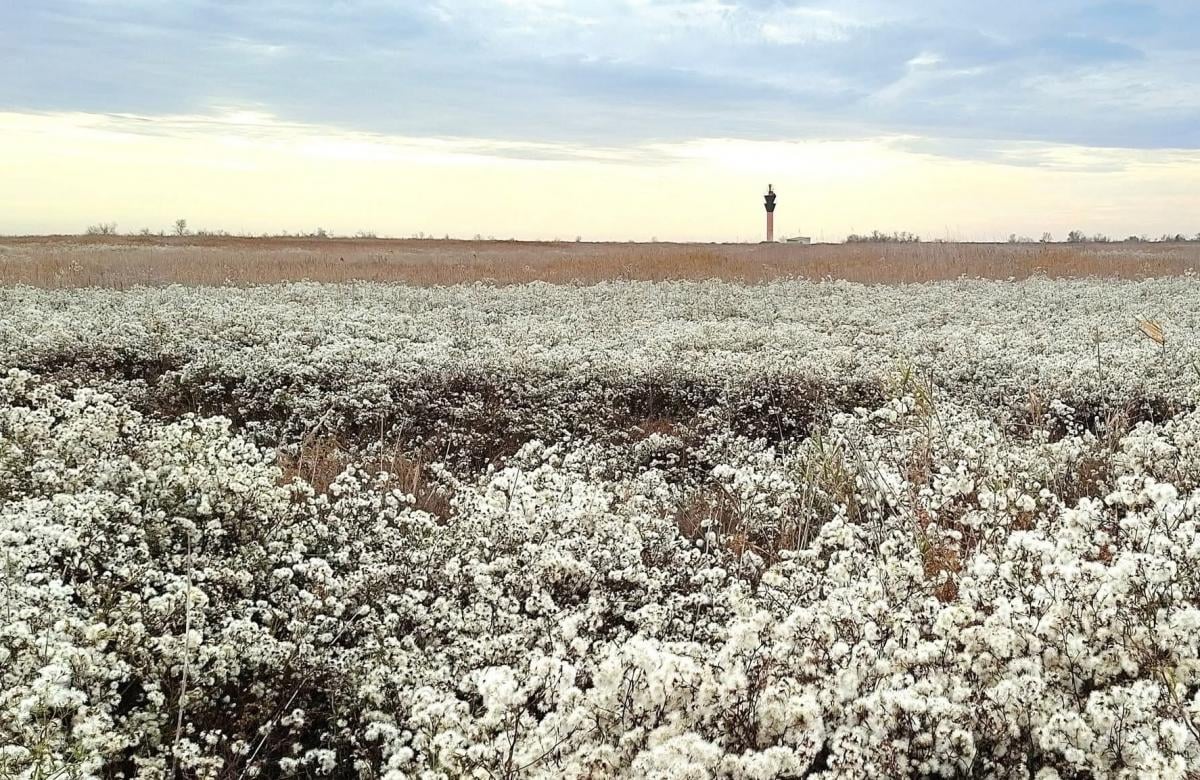 The scientist showed the scale of Tuzliv cotton in Odesa / photo Ivan RusevOn the territory of the National Natural Park “Tuzlivski Lymani”, in the Odesa region, the salt marsh aster grows – a beautiful and useful plant, which currently looks like a huge cotton carpet. Doctor of biological sciences, employee of the national park, Ivan Rusev, told about it.
The scientist also published photos and videos showing a snow-white “sheet” of asters, etc.
“In front of you are the scales of Tuzliv cotton, which amaze with their beauty. This is common salt marsh aster (Tripolium pannonicum) – a perennial herbaceous plant from the aster family. It is common in salt marsh meadows and coastal areas of the National Natural Park “Tuzlivski Lymani”, Rusev said.
According to him, this flower gives fragrant, light honey from the second half of July to September. The honey collection of aster can reach up to 100 kg per hectare, it is often visited by wild bees for pollen and nectar.
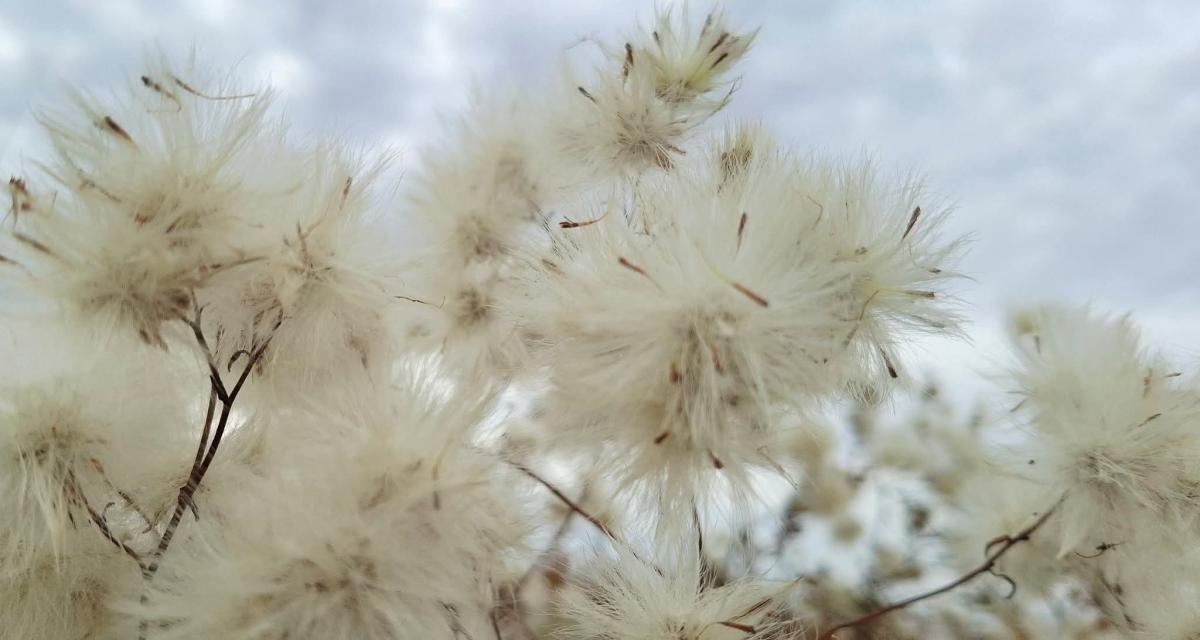 This plant is widespread in the territory of the “Tuzlivsky estuaries” / photo Ivan RusevThis two-year herbaceous plant, the researcher notes, has a branched stem that is hollow only on top, up to 70 cm tall. In folk medicine, this flower is used to treat tuberculosis, gastrointestinal diseases, coughs of various origins, and neurasthenia.
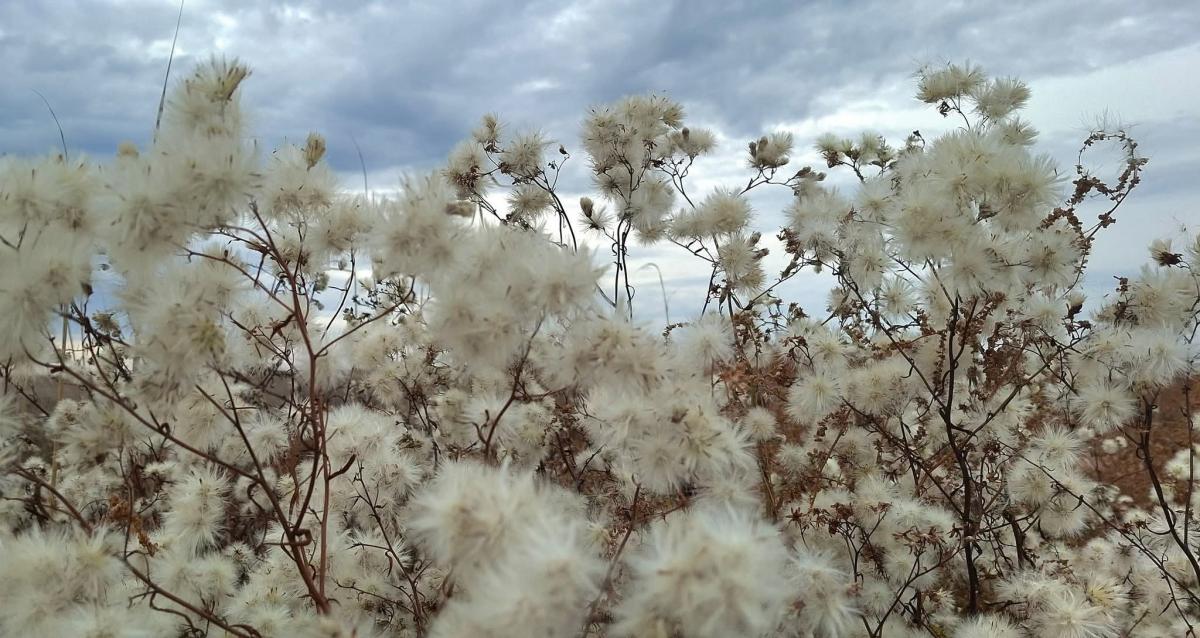 Such cotton impresses with its beauty / photo Ivan Rusev”Now it looks like huge expanses of Tuzliv cotton. And among the huge expanses of cotton, you can still find its real flower (lilac color – UNIAN),” the scientist said.
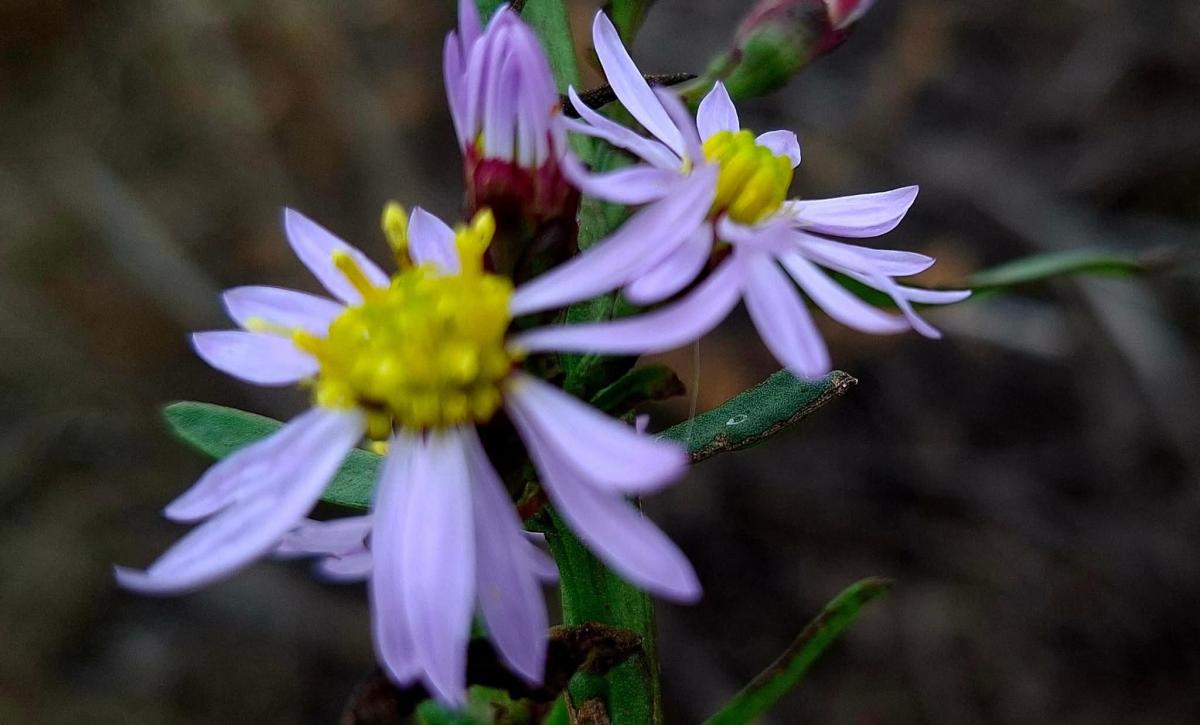 The appearance of a real flower of this cotton / photo Ivan RusevWhat other plants grow in the “Tuzliv estuaries”As UNIAN wrote, specialists of the National Natural Park “Tuzlivski Lymani” (Odesa region) are trying to preserve a rare flower – the red-book brandushka. Therefore, the unique plant was transplanted to the territory of the reserve.
Scientist Ivan Rusev said that the colchicum ancyrense (Colchicum ancyrense) is listed in the Red Book of Ukraine as a vulnerable species. This flower used to grow within the Tuzlivski lymani park, but in recent decades it has disappeared due to anthropogenic pressure.
The flower is considered the earliest ephemeroid among the primroses – a perennial herbaceous plant with a short spring cycle of development and a summer rest period.
You may also be interested in news:
- Juggling stones: nimble and intelligent predators were spotted in the Chernobyl area
- Colorado beetles can increase in Ukraine: the scientist named the reason
- In Poland, it was completely forbidden to grow animals for fur