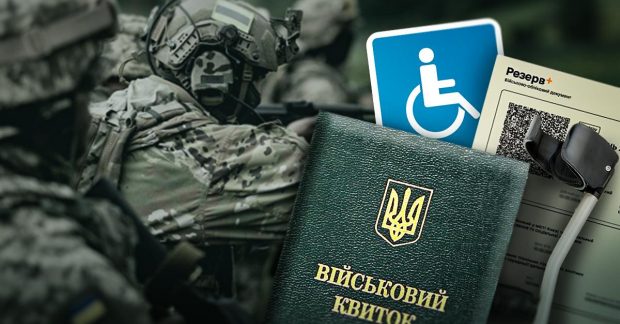
As Ukraine continues to navigate its ongoing mobilization efforts amid the conflict, questions have arisen regarding the enlistment of individuals with disabilities. While certain categories of conscripts are exempt from military service, the circumstances under which individuals with disabilities may be called to serve remain complex.
According to Ukrainian law, specifically Law No. 3543, individuals classified as disabled are generally exempt from compulsory military service. This exemption applies regardless of the severity of their disability, allowing them the option to serve only as volunteers.
Exemptions for Disabled Individuals
Under the current legal framework, individuals with disabilities, including those classified as having a second group disability, cannot be conscripted unless they have not formally registered for a deferment. This means that if a person has obtained a deferment, they cannot be mobilized against their will.
Moreover, individuals with disabilities are permitted to cross the Ukrainian border freely, provided they present documentation confirming their disability status to border officials.
Conditions for Possible Mobilization
Despite the general exemptions, there are specific scenarios where individuals with disabilities may still be subject to mobilization:
-
If an individual undergoes a reassessment and their disability status is not confirmed, they may lose their deferment. For instance, third group disabilities are often temporary and require periodic validation. If a medical commission determines that a person’s condition has improved significantly, they may no longer qualify for disability status, thus making them eligible for conscription.
-
Individuals who have not applied for a deferment may also be at risk of mobilization. While disability status provides grounds for deferment, individuals must actively pursue this status by contacting military recruitment offices. If they fail to do so, they may receive a call-up notice.
-
Lastly, individuals with disabilities may voluntarily enlist in the armed forces. This is more common among those with third group disabilities, who may have less severe health issues and feel capable of serving.
It is important to note that if a deferment is obtained legally, individuals cannot be conscripted without their consent. Additionally, those who acquire a disability during their military service have the right to submit a request for discharge based on health concerns.
Conclusion
The mobilization policies regarding individuals with disabilities in Ukraine reflect a balance between legal exemptions and the realities of military needs. Understanding these nuances is crucial for affected individuals and their families as they navigate the complexities of the current mobilization landscape.
This article clarifies the mobilization policies for individuals with disabilities in Ukraine, detailing legal exemptions and specific scenarios where conscription may occur. It emphasizes the importance of understanding these regulations amidst ongoing military efforts.