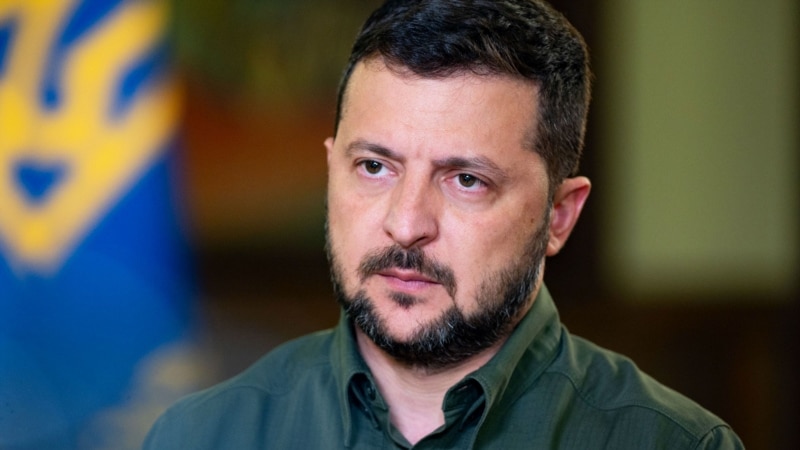
“Zelensky announced the third session of negotiations with US representatives in two days, at which it is expected that the issues of the territories and the Zaporizhia NPP will be discussed”, — write: www.radiosvoboda.org
“We expect that, in particular, the most difficult issues from the basic framework regarding the end of the war will be discussed, namely, issues regarding the Zaporizhzhia nuclear plant and territories. He also instructed the team to discuss possible formats of meetings at the leadership level between Ukraine, other European states and the USA,” he wrote in a telegram.
Zelenskyi said that Ukraine does not hide from the most difficult issues and will never be an obstacle to peace.
“Peace must be dignified. And it depends on the partners – whether they will ensure Russia’s real readiness to end the war. At the end of this day, I expect a detailed report from our negotiating team,” the president added.
On January 6, the negotiations of the “Coalition of the Willing” on the plan to end the Russian-Ukrainian war and guarantees for Ukraine ended in Paris. The leaders of the EU and NATO, leaders of 27 countries, representatives of Turkey, Japan, Australia, New Zealand, as well as the special representative of the US President Steve Witkoff and Donald Trump’s son-in-law Jared Kushner took part in the meeting.
Read also – Budanov: concrete results of the negotiations in Paris are already available, work is ongoing
“It is important that there are thorough documents of the coalition today, these are not just words, but specifics,” President Volodymyr Zelenskyy said after the meeting.
As a result of the meeting, the Paris Declaration on “reliable security guarantees for a strong and lasting peace in Ukraine” was published, which, in particular, provides for the deployment of multinational forces in Ukraine after the cessation of hostilities “with the proposed support of the United States.”
As reported in the President’s Office, in Paris on January 7, the delegations of Ukraine, the USA and European countries will continue work on security guarantees and a basic framework for the end of the war.