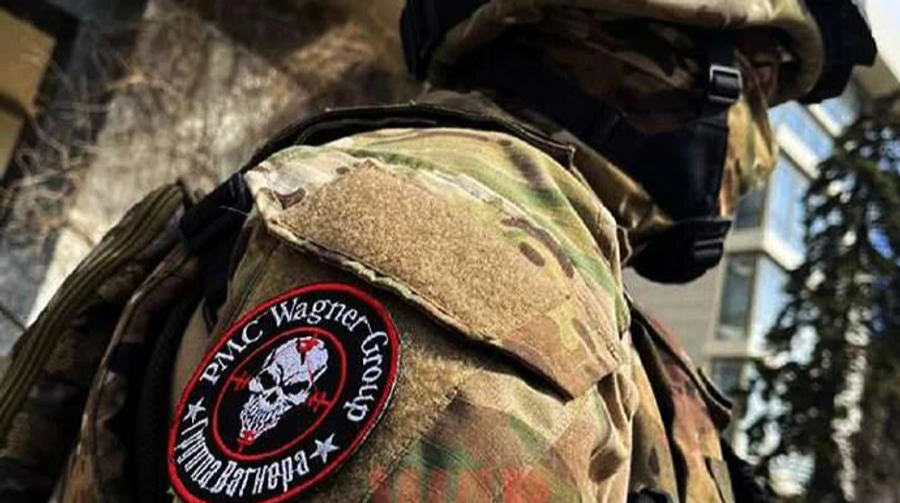
Recent intelligence reports indicate that former recruiters and propagandists from the Wagner Group have become a primary channel for orchestrated Russian sabotage operations across Europe. This shift follows the group’s tumultuous status since June 2023, when a failed rebellion against the Russian military leadership resulted in the death of its founder, Yevgeny Prigozhin.
Recruiters who previously focused on persuading young men from rural Russia to fight in Ukraine are now tasked with enlisting economically vulnerable individuals in Europe for violent acts within NATO territories. Intelligence officials assert that Russian military intelligence is leveraging the Wagner network to identify and recruit ‘disposable’ agents to create chaos.
Over the past two years, the Kremlin has intensified its destabilization and sabotage efforts throughout Europe, aiming to undermine Western resolve in supporting Ukraine and to incite social unrest. However, following a series of diplomatic expulsions that significantly reduced the number of covert agents in Europe, Russian intelligence leaders are increasingly relying on intermediaries to fulfill their objectives.
The Wagner network has proven to be a particularly effective, albeit crude, tool for these operations, according to influential European intelligence sources. Agents are tasked with a range of activities, from arson targeting humanitarian aid warehouses to impersonating Nazi propagandists.
Typically, those recruited are motivated by financial incentives and often come from marginalized backgrounds, lacking purpose or direction. One European official noted that Wagner has an established network of recruiters and propagandists who can effectively communicate with potential recruits.
Russian intelligence agencies generally prefer to maintain at least two intermediary levels between themselves and the agents they seek to engage, allowing for plausible deniability of involvement. The Wagner Group and its affiliates have maintained close relationships, facilitating this operational model.
In contrast, the FSB (Federal Security Service) often turns to criminal networks and diasporas with which it has established ties in neighboring regions, but these methods have proven less effective for mass recruitment.
The Wagner Group and its supporters have developed a significant online presence on social media platforms aimed at Russians, which has been relatively easy to adapt for more internationally focused activities. Their Telegram channels have been described as surprisingly sophisticated in how they present themselves, with one European official commenting, ‘They know their audience.’
The Wagner Group’s involvement in Russia’s sabotage campaign has been closely monitored by European intelligence and security services. For instance, social media accounts managed by Wagner were linked to the recruitment of a group of British nationals in late 2023.
Following this incident, European agencies have gradually pieced together a more intricate picture of Wagner’s network of ‘disposable’ operatives across Europe. However, security agencies do hold one advantage: while Russian operatives gain in scale and cost-effectiveness by using intermediaries like Wagner to recruit amateur saboteurs, they lose out in terms of competence and confidentiality. So far, more attacks have been thwarted than successfully executed.
In Poland, courts have upheld sentences against Russians who encouraged others to join the Wagner Group.
Intelligence reports reveal that the Wagner Group has shifted its focus to recruiting economically vulnerable individuals in Europe for Russian sabotage operations. This strategy aims to destabilize Western support for Ukraine while leveraging the group's established networks for recruitment and propaganda.
Source: Financial Times