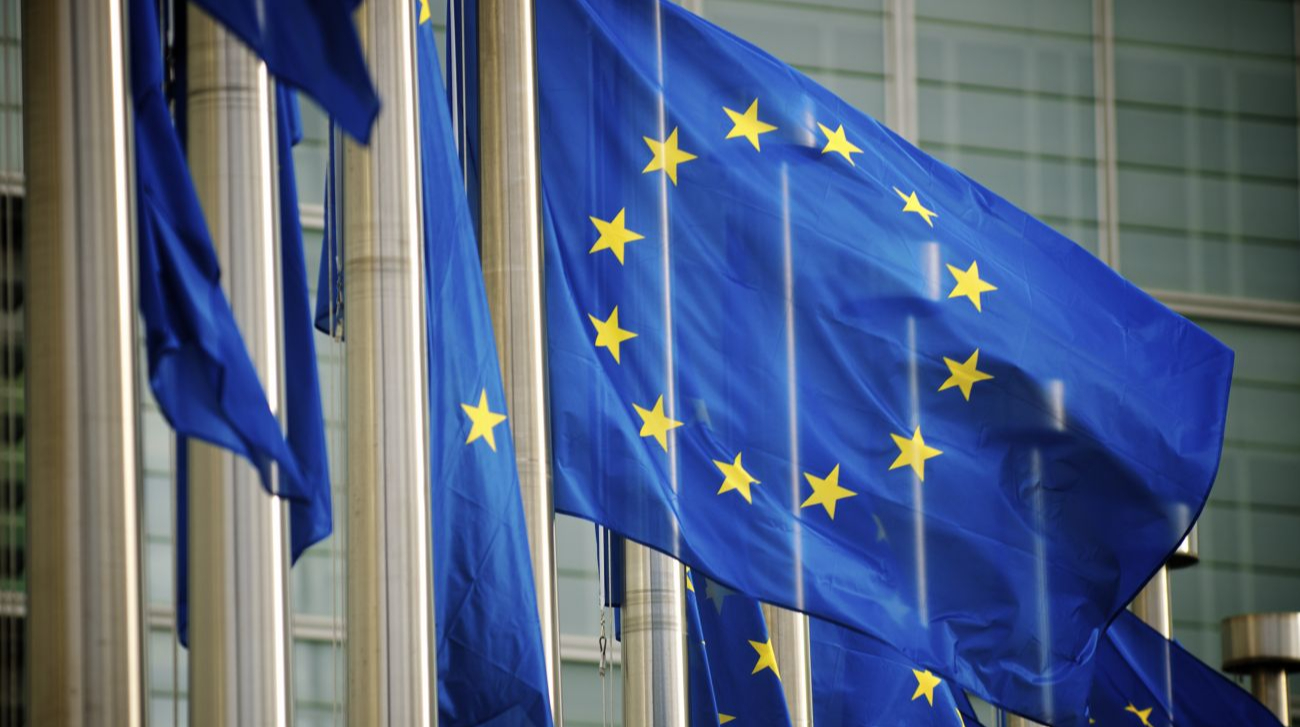
“The European Commission, in the context of the publication of the updated US National Security Strategy, stated that it values transatlantic relations, but emphasized the leading role of the EU in making decisions about itself.”, — write: www.pravda.com.ua
 illustrative photo by Getty Images
 Source: the spokesperson of the EU in a comment to the correspondent of “European Pravda”
Details: The spokesman, in view of the publication of the National Security Strategy of the United States, noted the “priority of ending Russia’s war against Ukraine”, as well as important attention to events in the Western Hemisphere, “which is key to the security of the United States itself.”
Advertising:
“We strongly agree that ‘Europe remains strategically and culturally important to the United States’ and that ‘transatlantic trade remains one of the pillars of the global economy and American prosperity,'” the spokesman said.
He added that in recent years, the EU has intensified its efforts to reduce its dependence on the United States in defense matters.
“We will continue to cooperate constructively, ensuring Europe’s competitiveness. The transatlantic partnership is unique and, as always, allies are stronger together,” said the EU spokesperson.
Direct speech: “Decisions affecting the European Union are made by the European Union for the European Union, including decisions affecting our regulatory autonomy, the protection of free speech and the rules-based international order.”
What preceded: The new US National Security Strategy was released on Thursday, a key document that defines the foreign policy and security priorities of the United States.
The document emphasized that European policy should focus on returning to strategic stability in relations with Russia, giving Europe greater responsibility for its own defense and preventing further NATO expansion.
The EU’s top diplomat, Kaya Callas, said that while the US administration’s criticisms may have some merit, Europe should be more confident about its own strength, particularly in relations with Russia.