
“Significant security problems have been identified in Ukraine’s shelters. Unified standards, control and modernization are needed.”, — write: www.pravda.com.ua
But the current rules do not provide this. There are no clear standards, proper control and a person responsible for the condition of the shelter. Because of this, they often become not a safe space, but, on the contrary, an additional risk.
Advertising:
War requires quick and decisive decisions. Therefore, the regulatory framework should be updated so that shelters are really ready and safe for people at any time.
Regulatory and systemic deficiencies that create risk One of the main documents that today regulates the maintenance and arrangement of shelters there is an updated Order of the Ministry of Internal Affairs of Ukraine No. 579 dated 07.09. 2018. Despite the changes, the document still contains a number of provisions that do not fully correspond to the conditions of a full-scale war and the needs of the civilian population.
The main problems are obvious:
- legal uncertainty of some issues;
- in the field of arranging shelters, there is a gap between mandatory norms and those requirements that are implemented at the discretion of the balance keeper. Some of the measures are clearly defined and subject to unconditional execution, but others are at the discretion of the owner or balance keeper of the premises. This leads to the fact that the level of equipment of shelters in different communities differs significantly. Somewhere accessibility, ventilation and elementary conditions are ensured, while somewhere the shelters remain formal and unusable;
- checking the technical condition of shelters is rarely carried out, and the mechanism for updating data on maps and responsibility for submitting inaccurate information needs significant refinement.

Such gaps create conditions where a person cannot be sure that the shelter marked on the official map actually exists, is open or is safe.
That is why our institution started to act. The Ombudsman’s office conducted more than 930 monitoring visits to shelters in various regions of Ukraine. We checked accessibility for groups of the population with limited mobility, the condition of the premises, the availability of basic equipment and the correspondence of shelter maps to the real state of affairs.
The results showed an alarming picture:
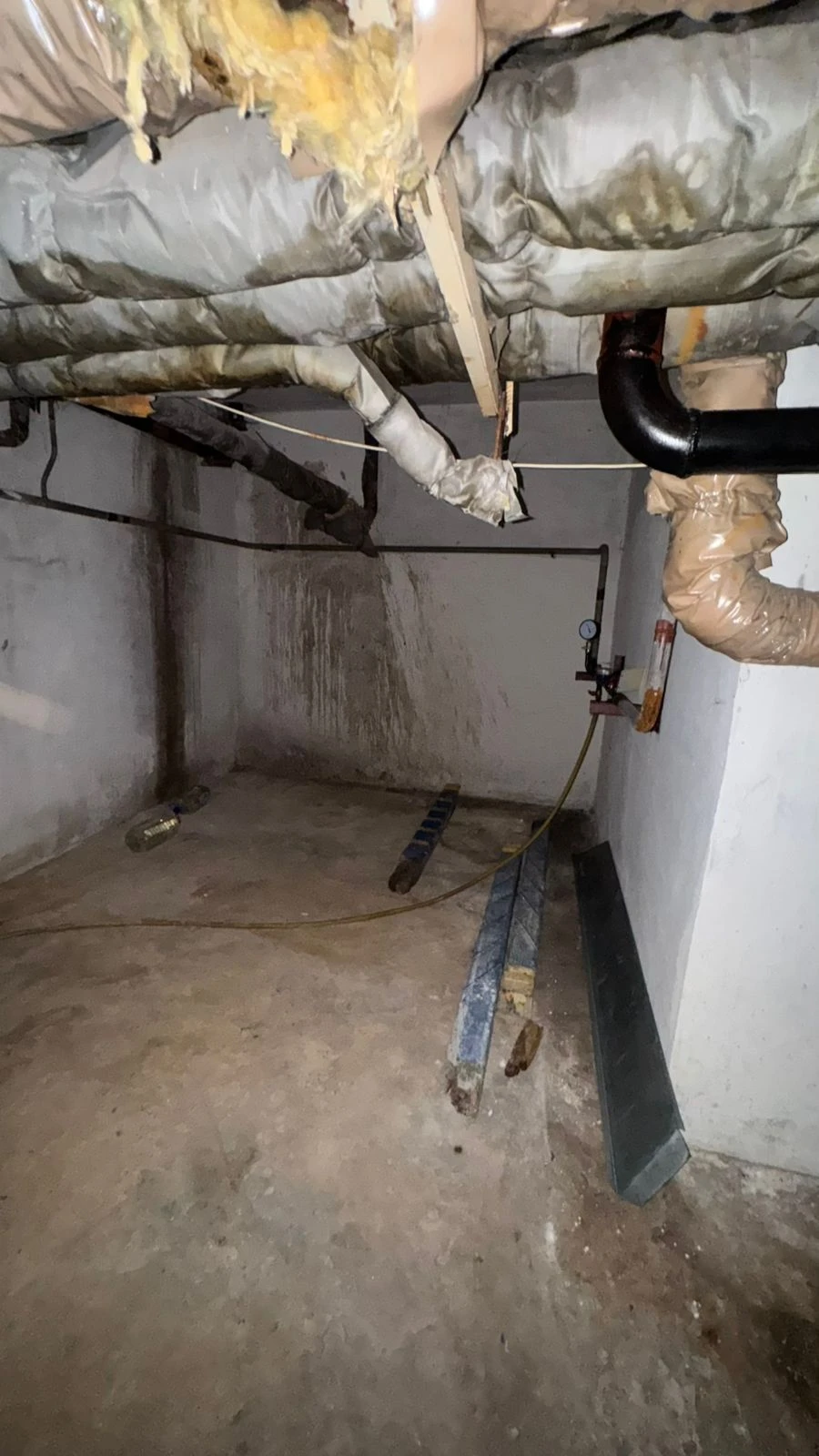
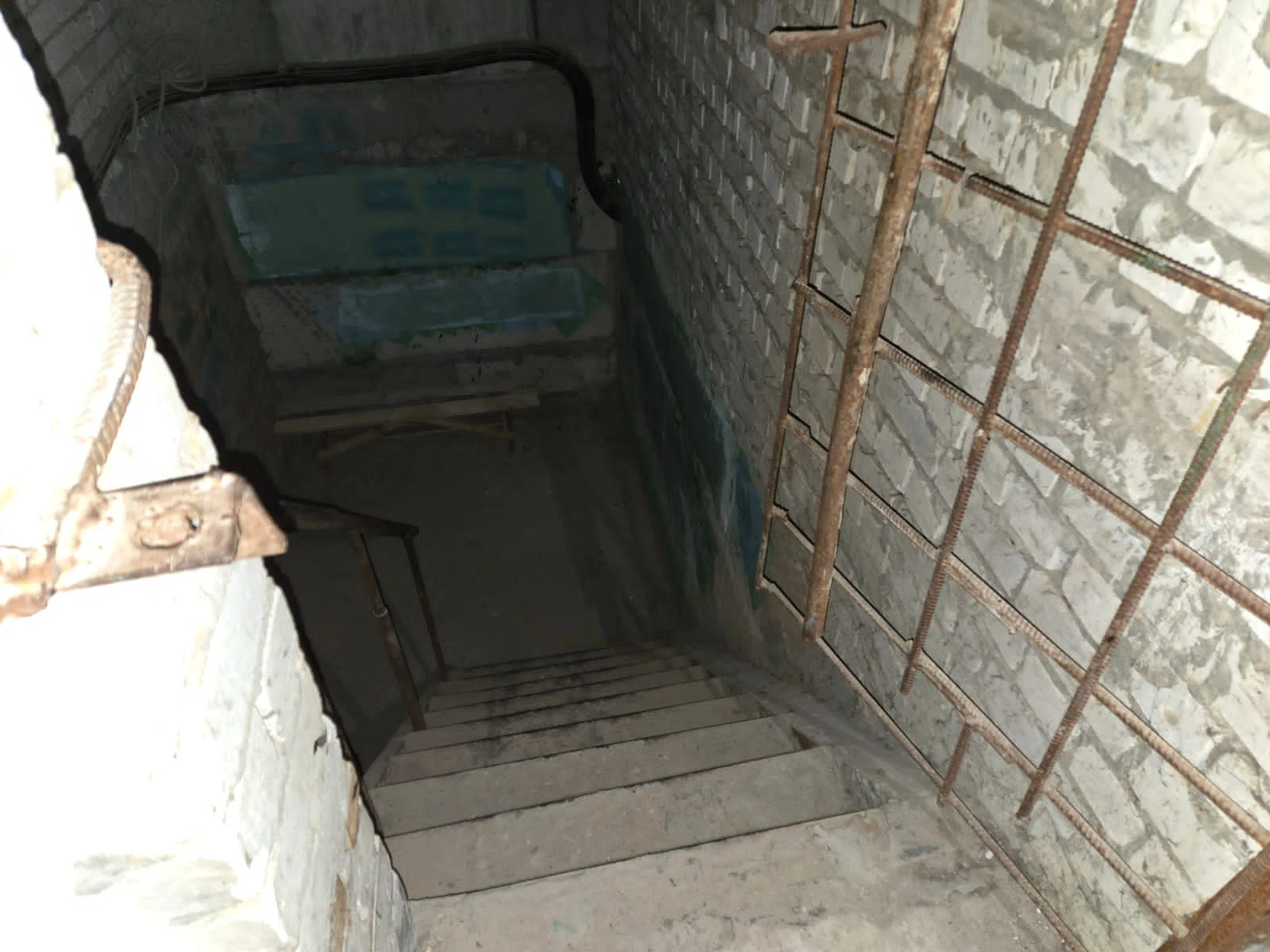
- 71 shelters did not function at all – they were either closed or unusable;
- many shelters did not have water, medicines, sanitary equipment, or ventilation;
- a significant part of the shelters is not adapted for people with disabilities and people with reduced mobility;
- shelter maps contained inaccurate information – addresses did not match, shelters were missing or blocked.
And the reason for this is simple – the absence of clear mandatory standards and explanations of the relevant norms.
Based on this data, I sent a letter to the Minister of Internal Affairs of Ukraine with a proposal to eliminate the gaps in the above-mentioned order in order to bring the shelters into proper condition.
So what needs to be changed immediately? The shelter system currently works unevenly: in different cities there are different interpretations, there are often no responsible persons, and the information on the maps needs updating. In such conditions, no list of shelters can guarantee people real protection. Therefore, the state should move from separate decisions to a single, clear policy as soon as possible.
For this you need:
- to introduce uniform mandatory standards for the functioning of shelters for all types of premises;
- determine the person responsible for the maintenance of each shelter;
- ensure equal access for people with disabilities;
- introduce regular monitoring and prompt updating of data on electronic maps;
- establish responsibility for providing false information;
- launch state programs for the modernization and restoration of shelters.
These solutions do not require multi-year reforms – only clear coordination and political will.
After all, a shelter is a place where people seek protection. And every closed shelter, inaccurate address or gap in the law turns into a real risk to life. And it is the state that must ensure such conditions under which no person will be left without an opportunity to save himself.
These decisions cannot be postponed, because they determine whether a person will have a chance to survive the next anxiety.
Dmytro Lubinets
A column is a type of material that reflects exclusively the point of view of the author. It does not claim objectivity and comprehensive coverage of the topic in question. The point of view of the editors of “Economic Pravda” and “Ukrainian Pravda” may not coincide with the author’s point of view. The editors are not responsible for the reliability and interpretation of the given information and perform exclusively the role of a carrier.