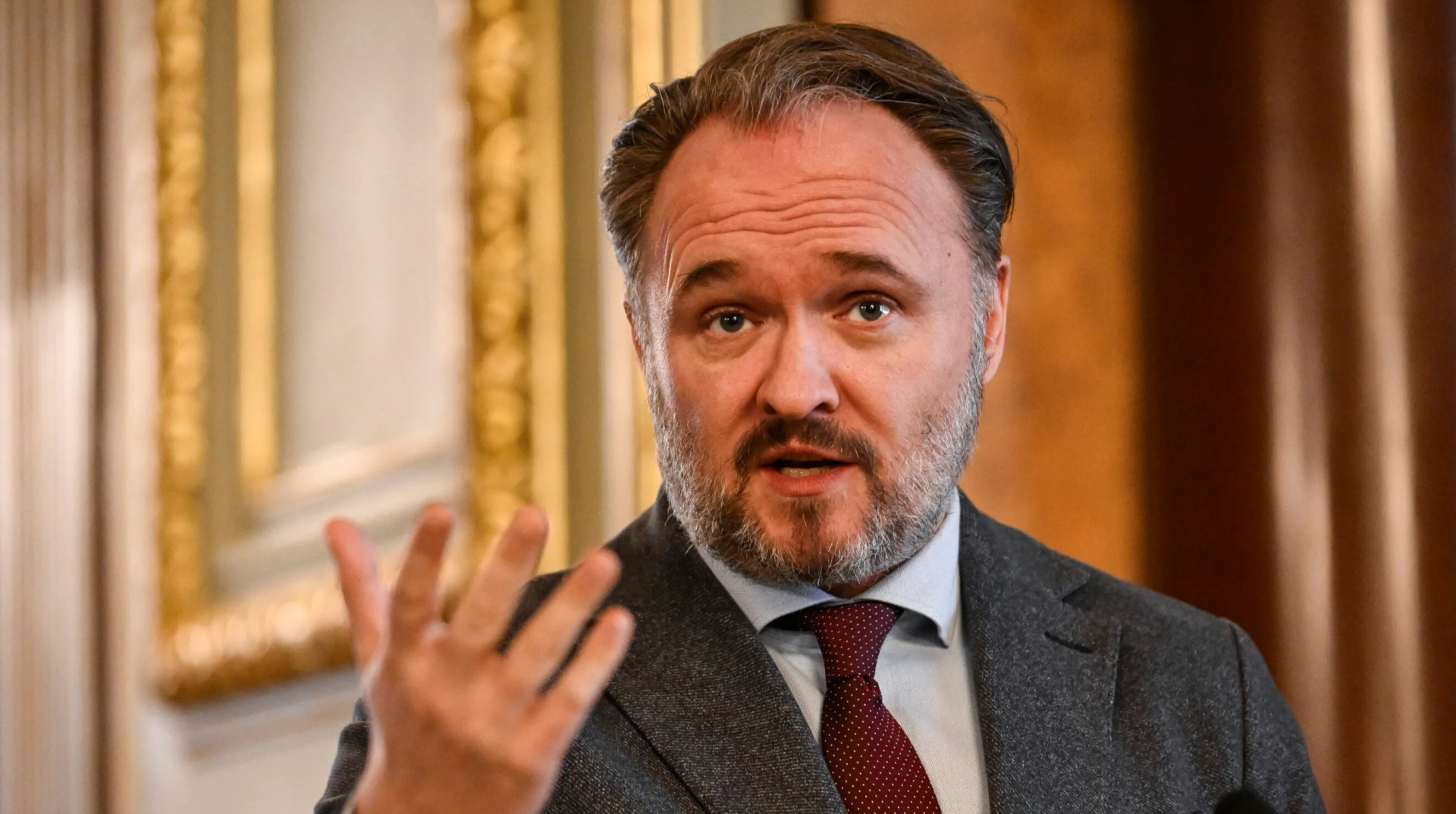
European Commissioner for Energy, Denmark’s Dan Jørgensen, has revealed that a month of military operations by the United States and Israel against Iran has increased the European Union’s fossil fuel import costs by €14 billion. This statement was made following a meeting of EU energy ministers on March 31.
Jørgensen noted that since the onset of the conflict in the Middle East, gas prices in the EU have surged by approximately 70%, while oil prices have risen by about 60%. Despite these increases, he emphasized that there is currently no direct shortage of oil and gas within the EU. However, he acknowledged that there are tensions in the diesel and aviation fuel markets.
Furthermore, restrictions in global gas markets are driving up electricity prices, which poses additional financial burdens for both industries and households. Jørgensen cautioned, “We should not be under any illusions that the consequences of this crisis for energy markets will be short-lived, because they will not be.”
He urged EU member states to act in unison and avoid fragmented national measures that could destabilize energy markets. The European Commission is expected to soon present a comprehensive set of measures aimed at assisting governments in protecting families and businesses from the ongoing crisis.
In related developments, on March 26, the German government approved a package of measures to address the sharp rise in fuel prices resulting from the Middle East conflict. Similarly, Poland announced a reduction in value-added tax and excise duties on fuel in response to escalating global prices. Norwegian Finance Minister Jens Stoltenberg also stated that taxes on gasoline and diesel would be temporarily lowered starting April 1.
On March 31, the European Commission urged citizens to work from home, reduce their use of cars and planes, and called on EU countries to urgently deploy renewable energy sources, warning of a prolonged energy crisis stemming from the ongoing conflict in the Persian Gulf.
The EU faces a significant increase in energy costs due to military actions in the Middle East, with gas and oil prices soaring. The European Commissioner for Energy has called for coordinated action among member states to mitigate the crisis's impact on households and industries.