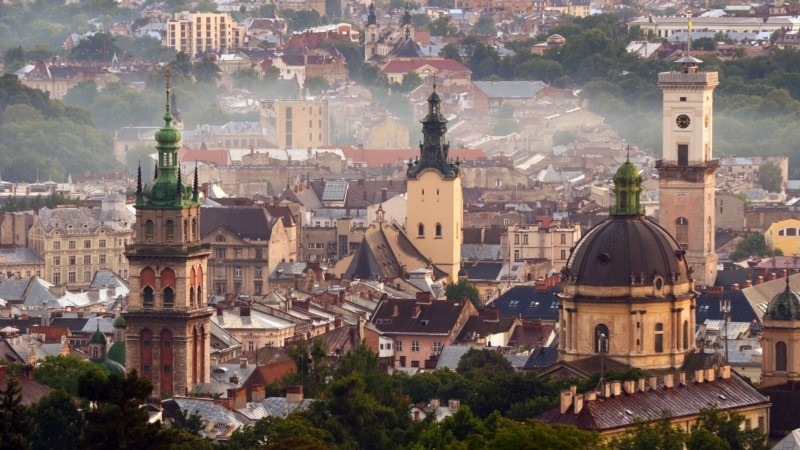
“After talking with government officials, the mayor of Lviv said that “there is an understanding of the problem both at the level of the city and at the level of the country””, — write: www.radiosvoboda.org
According to him, he had a conversation with Prime Minister Yulia Svyridenko, acting Minister of Energy and Minister of Health.
“As of now, electricity supply has been restored to some critical infrastructure facilities. There is an understanding of the problem both at the level of the city and at the level of the country. The decision to “balance” electricity, effectively equating ventilators with electric kettles, was not the wisest. But it is important that the problem was heard and it is already being corrected,” Sadovy wrote in a telegram.
Earlier, Sadovy reported that in Lviv on the night of January 7, part of the hospitals and all public electric transport were disconnected from the electricity supply. According to him, this happened because the government changed its approach to determining the criticality of enterprises.
Read also: KMIS: the majority of Ukrainians believe that the main reason for the lack of light is the attacks of the Russian Federation, almost a third – the actions of the authorities
In December, the Cabinet of Ministers announced decisions that, according to government officials, should reduce the duration of power outages, in particular, it was about revising the lists of critical infrastructure facilities. Subsequently, Prime Minister Yulia Svyridenko stated that at a meeting with the heads of regional military administrations, “we found an opportunity to release no less than 800 MW of electric power.”
“This revision does not concern support hospitals, life support facilities and enterprises of the defense-industrial complex,” the Prime Minister stressed.
Since the beginning of the full-scale invasion in February 2022, Russia has been striking Ukraine’s energy infrastructure. Since the beginning of the fall of 2025, the Russian military has increased its shelling of the Ukrainian energy and gas infrastructure, which supplies people with gas during the heating season.
In Ukraine, due to damage to energy facilities as a result of Russian shelling, hourly blackout schedules and capacity limitation schedules are used for industrial consumers and businesses.