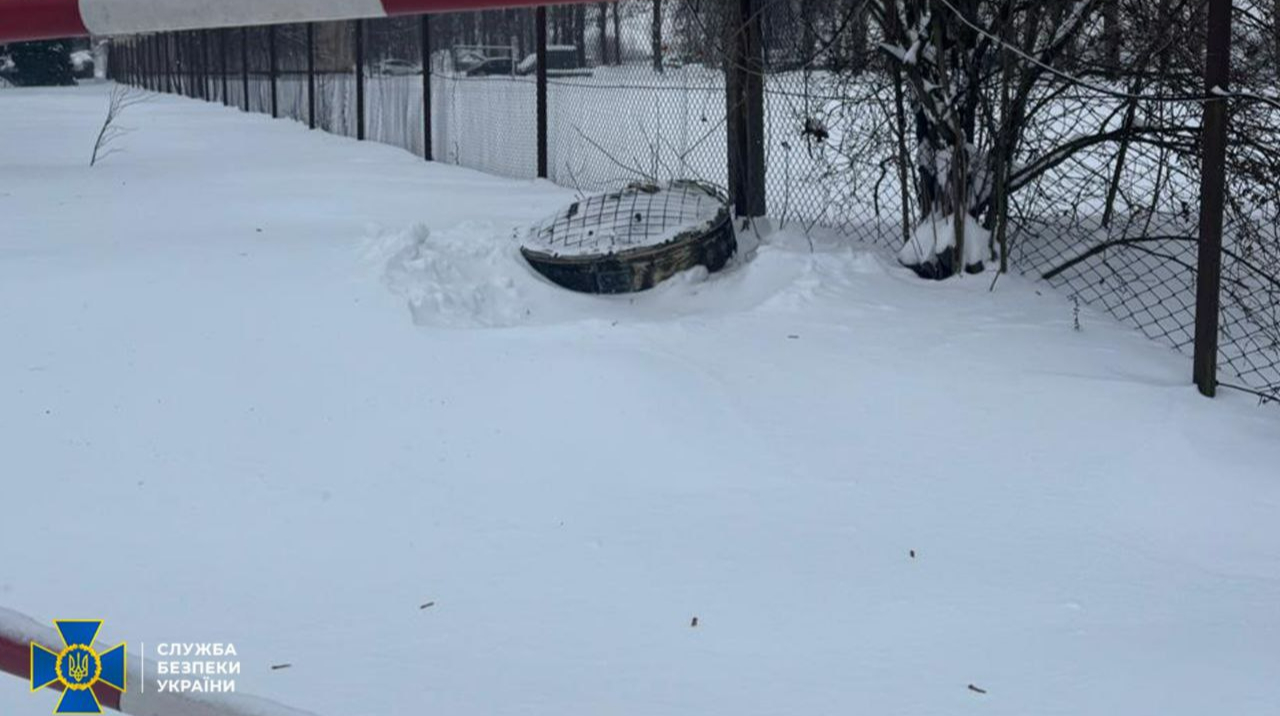
“British intelligence believes that the launch of the “Oreshnik” BRSD, with which the Russian Federation attacked Ukraine late in the evening of January 8, was carried out from the Cabbage Ravine and that Russia still has few of these experimental missiles.”, — write: www.pravda.com.ua
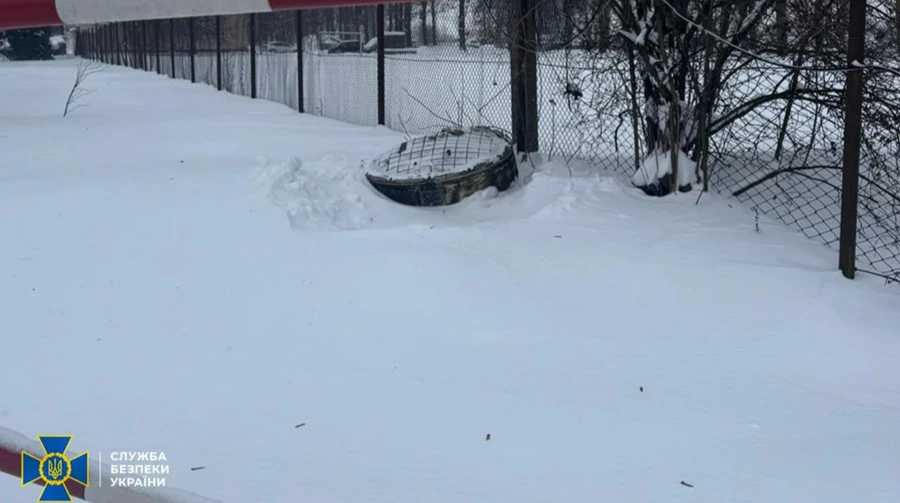 On January 9, wreckage of the Russian “Oreshnik” was found in Lviv Oblast. Photo: SBU
 Source: as reported by “Europeyska Pravda”, this is stated in the intelligence review of the British Ministry of Defense on the Russian-Ukrainian war dated January 9
Details: “On the evening of January 8, 2026, in the second operational use of the Oreshnik missile defense system, Russia struck Lviv, the launch was carried out from Kapusty Yar in the Astrakhan region of the Russian Federation. The missile traveled approximately 1,622 km,” the review says.
Advertising:
In addition to this missile, about 200 unmanned aerial vehicles, at least ten different ballistic missiles and at least a dozen Kalibr cruise missiles launched from the Black Sea were used during the combined attack against Ukraine.
“Russia announced its withdrawal from the Treaty on the Elimination of Medium- and Short-Range Missiles, which prohibits the development and production of ICBMs, in February 2019. But the development of the Oreshnik was almost certainly carried out even before that. This system is very likely a variant of the RS-26 Rubezh ballistic missile, which was first tested in 2011,” – notes British intelligence.
According to their estimates, the use of this experimental system against Ukraine is most likely intended as a “strategic signal” after Russia’s claims that Ukraine allegedly targeted Putin’s residence on December 29, 2025.
“With a high probability, Russia has only a small number of Oreshnik missiles. This missile, with a high probability, is much more expensive than the others that Russia uses against Ukraine,” the review adds.
We will remind, on January 9, British Defense Minister John Geely arrived in Kyiv. During Gili’s visit, among other things, they signed the “road map” to the agreement on the 100-year partnership between Ukraine and Britain.
The EU’s chief diplomat Kaya Kallas considers Russia’s second use of the Oreshnik missile as an escalation against Ukraine and a warning to Europe.
The head of the Ministry of Foreign Affairs of Lithuania called it a spit on the Russian Federation for all peace-making efforts.
The Minister of Foreign Affairs of Estonia, Margus Tsahkna, in connection with the latest shelling of Ukraine, called to increase the pressure on Russia to such an extent that it becomes unbearable.