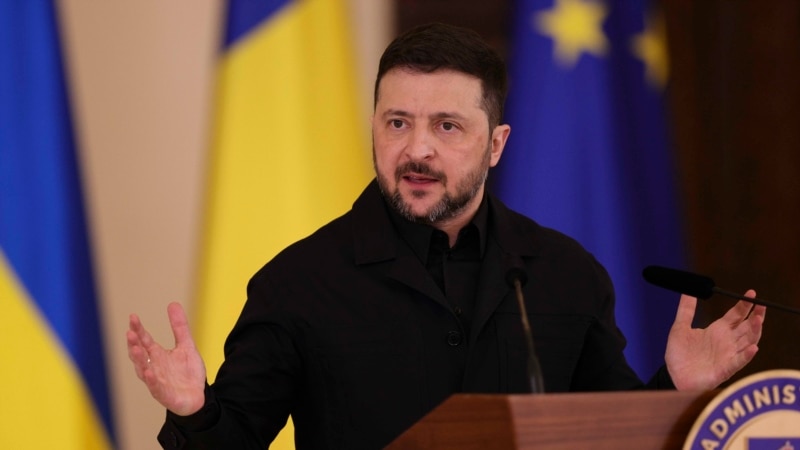
Ukrainian President Volodymyr Zelenskyy recently highlighted the ongoing postponement of peace negotiations concerning the conflict in Ukraine, attributing this delay to the situation in Iran. His remarks underscore the complex interplay of international conflicts and their impact on diplomatic efforts.
Zelenskyy emphasized that the war in Iran has become a significant factor affecting the timeline and feasibility of peace talks. The Iranian conflict, which has drawn global attention, complicates the geopolitical landscape, making it challenging for countries to engage in discussions about Ukraine’s future.
While specific details regarding the nature of the Iranian conflict were not elaborated upon, it is clear that the situation has far-reaching implications. The interconnectedness of global conflicts often influences diplomatic negotiations, with leaders needing to navigate various international pressures.
As peace talks remain in limbo, the Ukrainian government continues to seek support from international allies. The ongoing war in Ukraine, now in its second year, has led to significant humanitarian and economic challenges, further emphasizing the urgency for a resolution.
Zelenskyy’s comments reflect a broader concern among international leaders regarding the potential for multiple conflicts to hinder peace efforts. The situation in Iran serves as a reminder of how regional instability can have global repercussions, affecting negotiations far beyond its borders.
Ukrainian President Zelenskyy has pointed to the Iranian conflict as a key reason for the ongoing delays in peace negotiations regarding Ukraine. This situation illustrates how interconnected global conflicts can complicate diplomatic efforts.