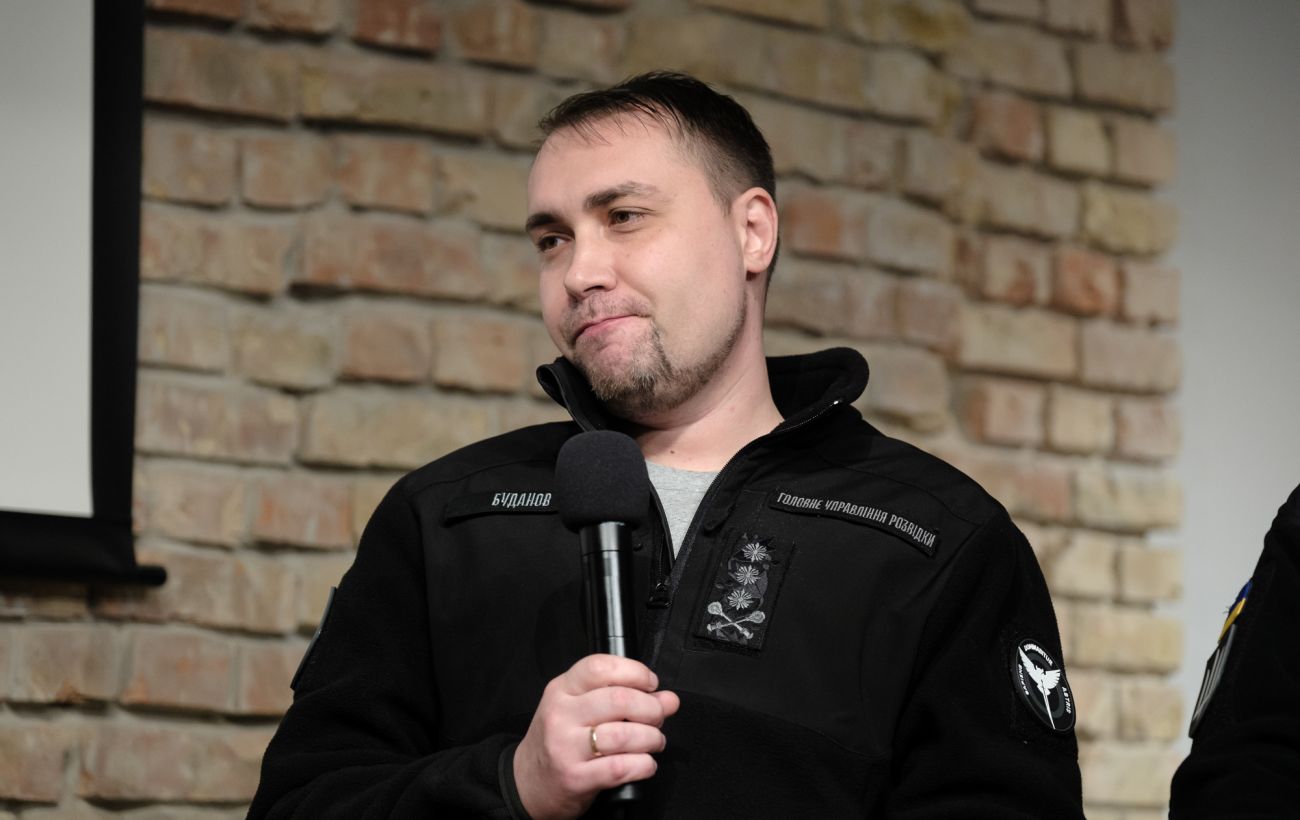
Ukrainian President’s Office Chief Kyrylo Budanov revealed that he proposed regulating Telegram back in 2024, suggesting measures to control its use rather than implementing a complete ban.
Budanov emphasized that while he supports the existence of Telegram channels, he advocates for the identification of channel owners to enhance accountability. He noted that in Russia, channel operators are required to register with a government registry, a practice he believes could be beneficial in Ukraine.
He stated, “If you want an anonymous Telegram channel that resembles a traditional media outlet and is used for subversive activities, that raises significant concerns.” Budanov acknowledged that regulating Telegram might not be well-received by everyone, but he believes it is necessary.
The discussion around Telegram’s regulation intensified following a tragic incident in Lviv on February 22, where a police officer was killed in a terrorist attack. This event prompted Ukrainian President Volodymyr Zelenskyy to consider a ban on Telegram due to its alleged role in recruitment activities. Deputy Chief of the President’s Office Iryna Vereshchuk supported this view.
Interior Minister Ihor Klymenko also called for actions against the messaging platform, advocating for limitations instead of an outright ban. He stated, “Complete prohibition is impossible. We need to limit its use to facilitate law enforcement efforts to reduce terrorist acts.”
Criticism of the ban proposal has emerged from various quarters, including lawmakers who argue that blocking the messenger would conflict with European Union legislation. Additionally, Telegram’s founder, Pavel Durov, is not subject to Ukrainian jurisdiction, making demands for regulation futile.
Experts pointed out that banning Telegram would not stop recruitment efforts by Russian agents, who would likely turn to other social media platforms like Facebook, Instagram, WhatsApp, and Viber.
Public sentiment has also leaned against the proposed ban, with many Ukrainians comparing the situation to actions taken by the Russian government, which is reportedly planning to block Telegram in early April.
Ukrainian officials are debating the regulation of Telegram following security concerns linked to terrorist activities. While some advocate for restrictions, others criticize the feasibility and implications of a potential ban.