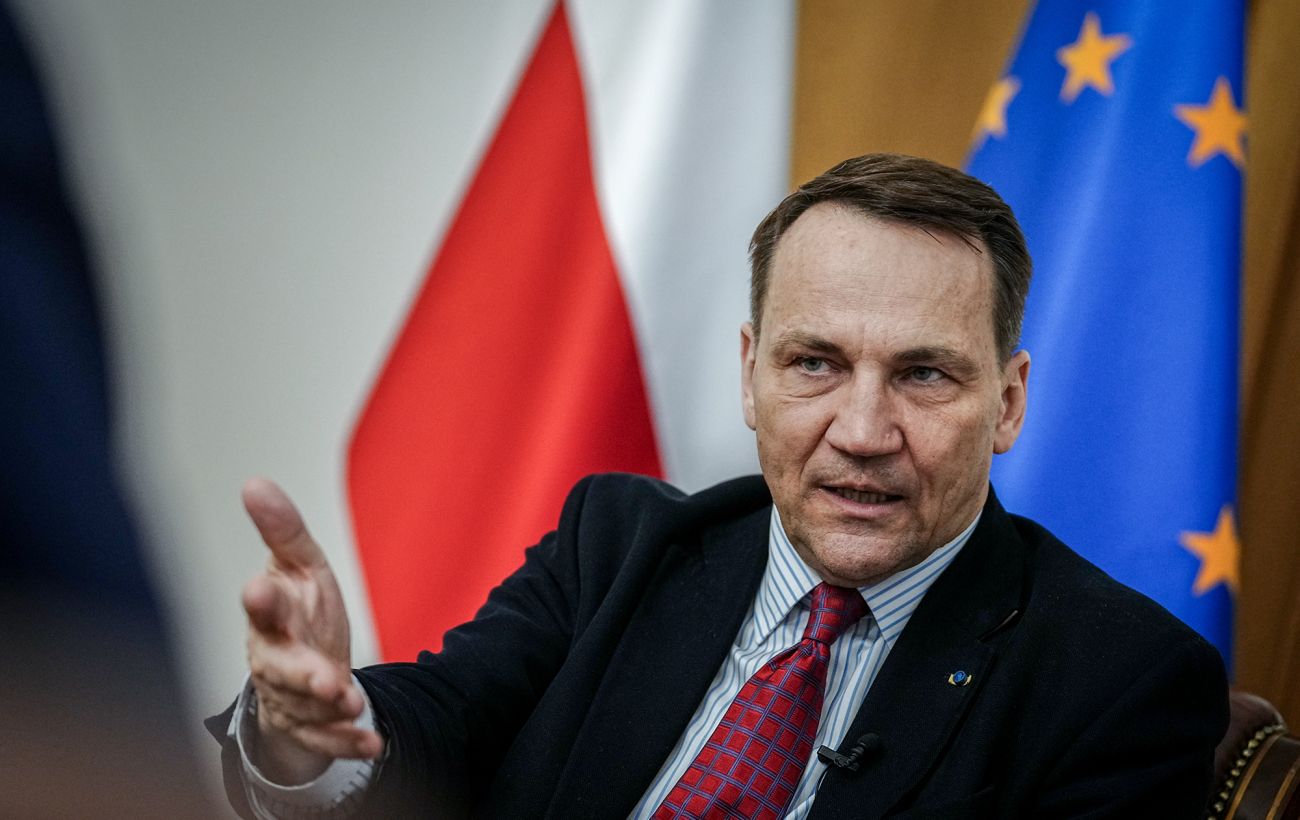
Ukraine faces a significant challenge in its quest for European Union membership, requiring the implementation of a vast array of European legislation. Polish Foreign Minister Radosław Sikorski emphasized that the process is both complex and lengthy, necessitating substantial legal adaptation.
“To implement both the Association Agreement and the acquis communautaire, we’re looking at approximately 80,000 pages of legislation. Your parliament has to work very hard,” Sikorski stated. He reflected on Poland’s own journey to EU membership, which took nine years following the political decision to join.
Sikorski pointed out that Ukraine’s accession would have a considerable impact on the economies of EU member states, given its size. “We need to conduct assessments sector by sector to prepare for the expansion,” he added.
While acknowledging Ukraine’s rapid attainment of candidate status as a testament to its resilience, Sikorski also noted the political hurdles that lie ahead. He highlighted the need to address Hungary’s position regarding the initiation of negotiations. “The expansion process requires not only internal reforms in the candidate country but also political consensus within the European Union,” he remarked.
Ukraine's journey toward EU membership is marked by the need for extensive legislative reforms and political negotiations. The process, while promising, will require significant effort from both Ukraine and existing EU member states to navigate the complexities involved.