Ukraine is currently receiving significantly more military assistance compared to the early stages of the invasion, although delays in the delivery of announced defense packages remain a concern.
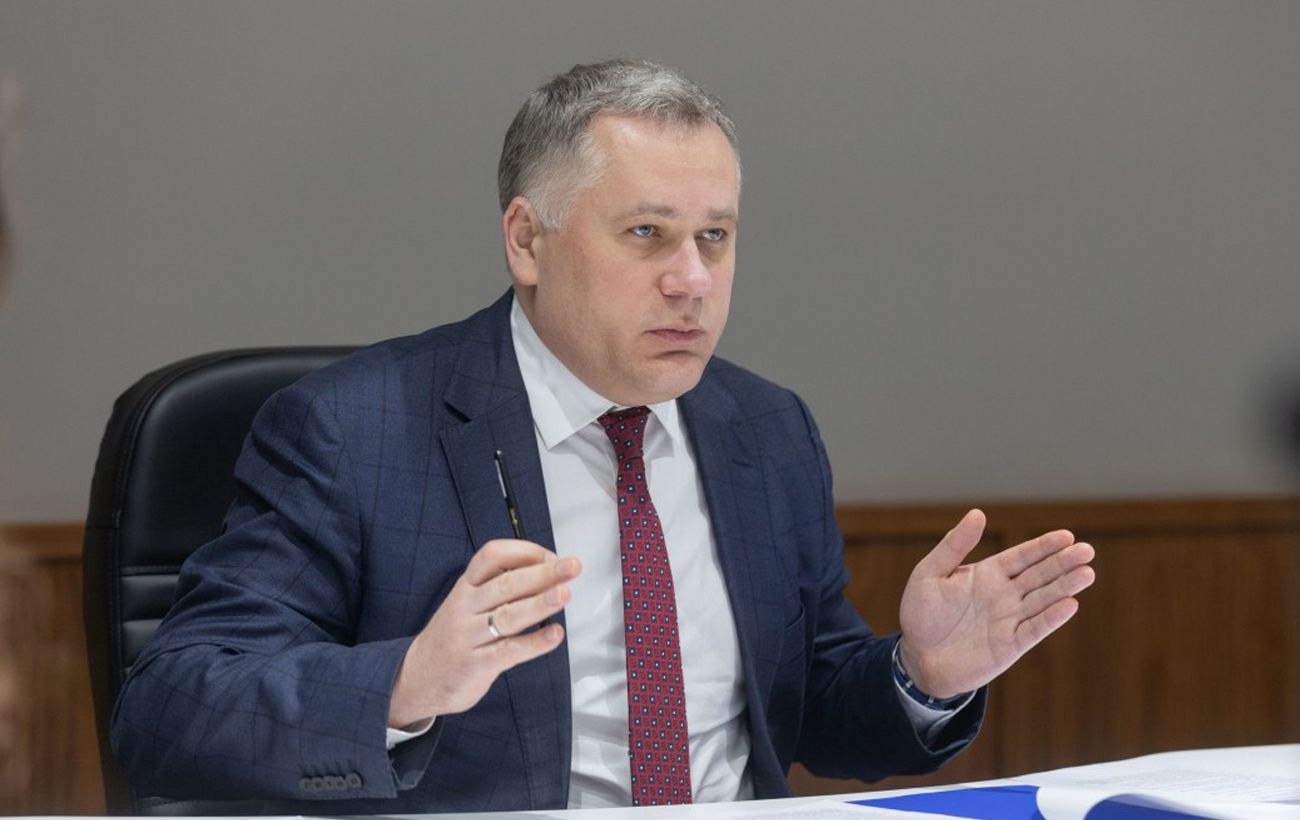
“If aid were provided in a timely and adequate manner, ballistic missiles would likely not hit our energy infrastructure. They strike when there are insufficient missiles to intercept them,” stated Andriy Zhovkva, Deputy Head of the President’s Office.
Zhovkva noted that the situation regarding military aid has improved considerably since the initial months and years of the conflict. He highlighted that there are 28 security agreements in place, most of which specify clear amounts of military assistance to Ukraine over a ten-year period. Many countries are adhering to these commitments, with some even exceeding them.
For instance, Germany has committed to providing 8 billion euros under its agreement, and has approved a budget of 11.5 billion euros for this year, which it is fulfilling. Another form of assistance involves co-financing joint production initiatives, while contributions to the PURL program have raised approximately 4.8 billion dollars in the past year.
“The year has just begun, and we have already received 584 million euros this month from six countries. The United Kingdom has joined the PURL program for the first time, while Norway, our leading contributor last year, is allocating new aid. The Netherlands, Sweden, Iceland, and Latvia are also among the top contributors,” Zhovkva emphasized.
Additionally, under the PURL program, Ukraine is receiving only the assistance that is genuinely needed, moving away from a previous approach where all available resources were provided.
“The lists sent to the American side clearly indicate what Ukraine requires, ensuring that funds are allocated specifically for those needs. We no longer require a large number of tanks, as the nature of warfare has changed. This is now a conflict dominated by drones and air operations, necessitating aerial defense,” Zhovkva explained.
He further noted that similar strategies are being applied to energy assistance, with specific equipment and nomenclature identified as necessary, rather than a generalized approach.
Ukraine is receiving increased military assistance, though delays in delivery remain a challenge. Recent agreements and contributions from various countries reflect improved support compared to earlier in the conflict.