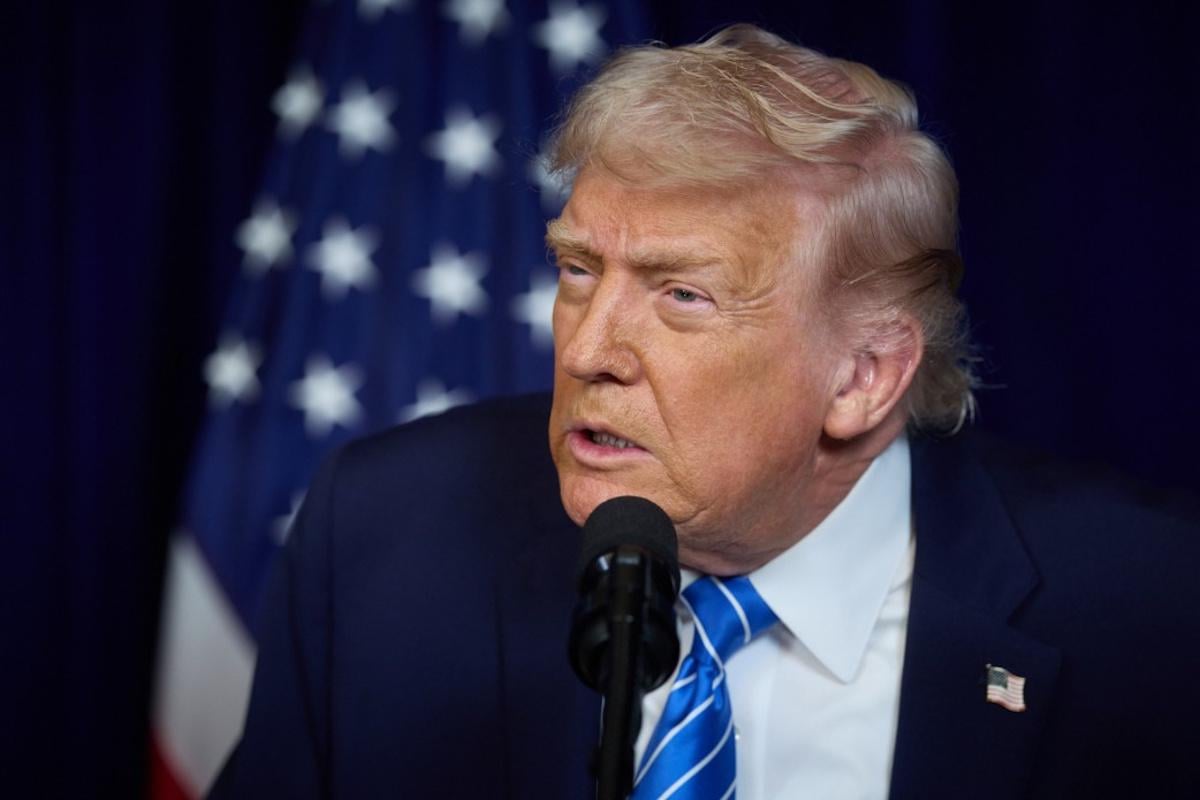
“The US risks losing its political and economic influence in Latin America, experts believe.”, — write: www.unian.ua
The US risks losing its political and economic influence in Latin America, experts believe.
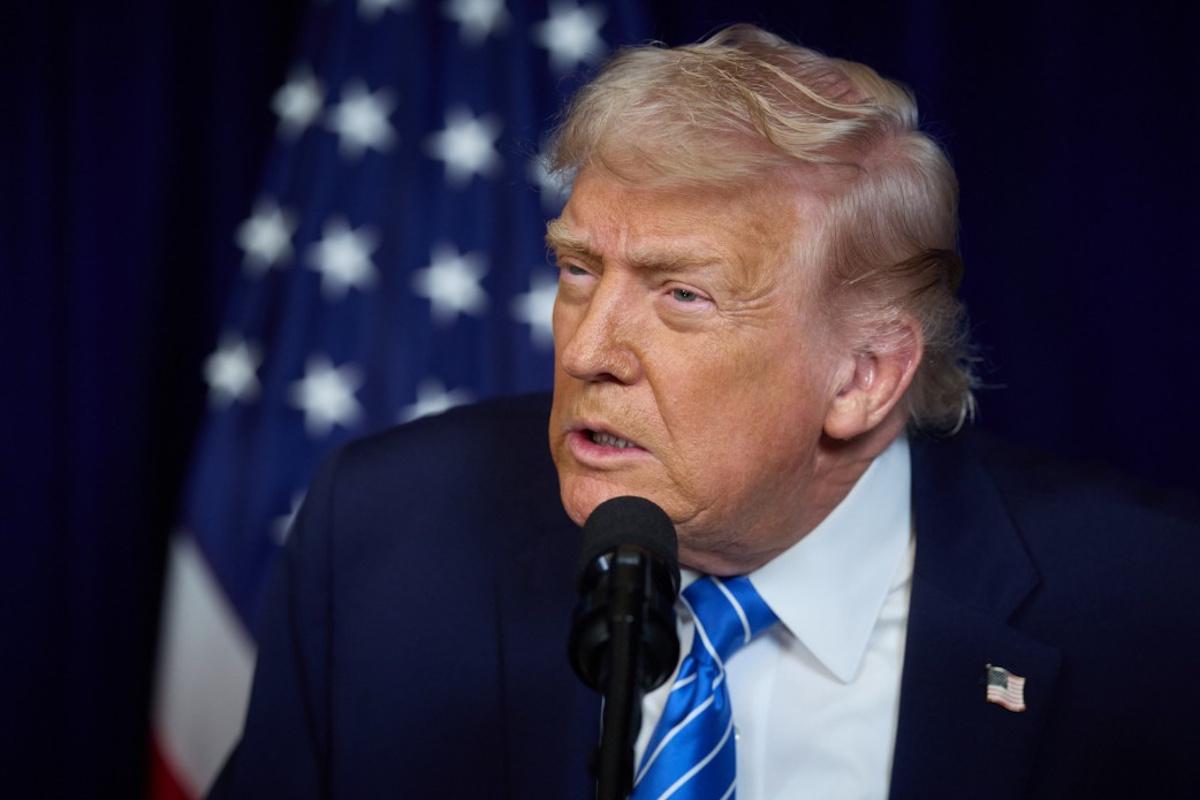
Trump’s policy may lead to Latin American countries getting closer to China, experts believe / photo president.gov.uaThe US administration’s aggressive policies toward Latin America, including its military intervention in Venezuela, are undermining international law and reviving a model of imperial dominance that has previously led to long-standing hostilities in the region. The United States risks losing political and economic influence, because Latin America will probably increasingly actively seek alternative allies – primarily in China.
William LeoGrande, a professor of public administration at the American University and Peter Kornblu, director of the Cuba Documentation Project at the George Washington University National Security Archive, write about this in the columns of Foreign Policy.
They recalled that after the military operation against Venezuela and the capture of dictator Nicolás Maduro, the US openly declared its intention to restore its dominance in the Western Hemisphere. And before that, over the course of last year, Trump threatened to launch military strikes in Mexico and Colombia, seize the Panama Canal, and introduce new economic sanctions against Nicaragua and Cuba.
Venezuela, the article says, has been at the center of Trump’s aggressive policy since September, when the US military began destroying boats in the Caribbean Sea allegedly belonging to drug smugglers, and Trump himself accused Maduro of being a narco-terrorist boss.
However, according to experts, in fact, Trump’s actions regarding Venezuela are not related to drugs.
“Venezuela does not produce cocaine (let alone fentanyl). It is a secondary transit point for Colombian cocaine, which mostly goes to Europe. Cocaine destined for the US market goes north from Colombia and Ecuador via the Pacific Ocean or overland through Mexico,” they write.
Moreover, in their view, if Trump’s main goal was to punish drug traffickers, he would not have pardoned former Honduran President Juan Orlando Hernandez, who was convicted of facilitating the illegal transportation of more than 400 tons of cocaine to the United States.
Historical parallelsAnalysts draw parallels between the current events in the Western Hemisphere and the period of active American interventions in Latin America a hundred years ago, which ultimately led to deep mistrust of the United States in the region. And then Washington had to switch to the “good neighbor” policy in order to restore relations and gain support before the Second World War.
The current strategy, according to the authors of the article, actually declares limited sovereignty for the countries that the US considers its sphere of influence, because in its new National Security Strategy it is clearly stated that America should remain the dominant power in the Western Hemisphere, and this raises fears about further interventions.
Latin America will look for an opportunity to reduce dependence on the United StatesLeoGrande and Kornblu believe that in the short term, Latin American countries have limited options to resist US pressure, but in the medium and long term, the region will increasingly seek alternatives to reduce economic dependence on Washington and expand cooperation with Europe and Asia.
China, which has significantly increased its economic and political presence in Latin America in recent years, is likely to play a special role in this process, experts suggest. After all, during the last decade, the annual reports of the US Southern Command call China a strategic competitor and a growing threat to American interests in the hemisphere, analysts note.
“Roosevelt’s ‘good neighbor’ policy was aimed at building alliances in Latin America in the face of a looming war in Europe. Trump, on the other hand, seems to believe that the United States does not need allies in the region, only vassals… If anyone in the world applauds Trump’s intervention in Venezuela, it is, without a doubt, President Xi Jinping of the People’s Republic of China,” they write.
Trump’s policy on Latin AmericaAs UNIAN previously reported, Trump said that the US “will rule” Venezuela until the political situation stabilizes there after the overthrow of the Nicolas Maduro regime. He also did not hide that he was very interested in Venezuelan oil. He specifically mentioned the history of forced nationalization of the oil industry in Venezuela in the 1970s and 2000s, in which American companies made significant investments.
We wrote that Trump is intensifying speculation about Greenland, Cuba and Colombia after the overthrow of Maduro. The AP pointed to growing concern among allies, as well as strained relations with Cuba and Colombia amid threats and accusations from the US president. It was noted that, in general, the US administration demonstrates a readiness to act with forceful methods and ignore international norms, which can have serious consequences for regional and global stability.
You may also be interested in news:
- “They thought that the Russians attacked us”: residents of Berlin were frightened by the blackout in the city
- Attacked Budanov and “anti-Ukrainianism”: Lithuania can expel the Russian “oppositionist”
- Trump said that Democrats will impeach him if he wins the election