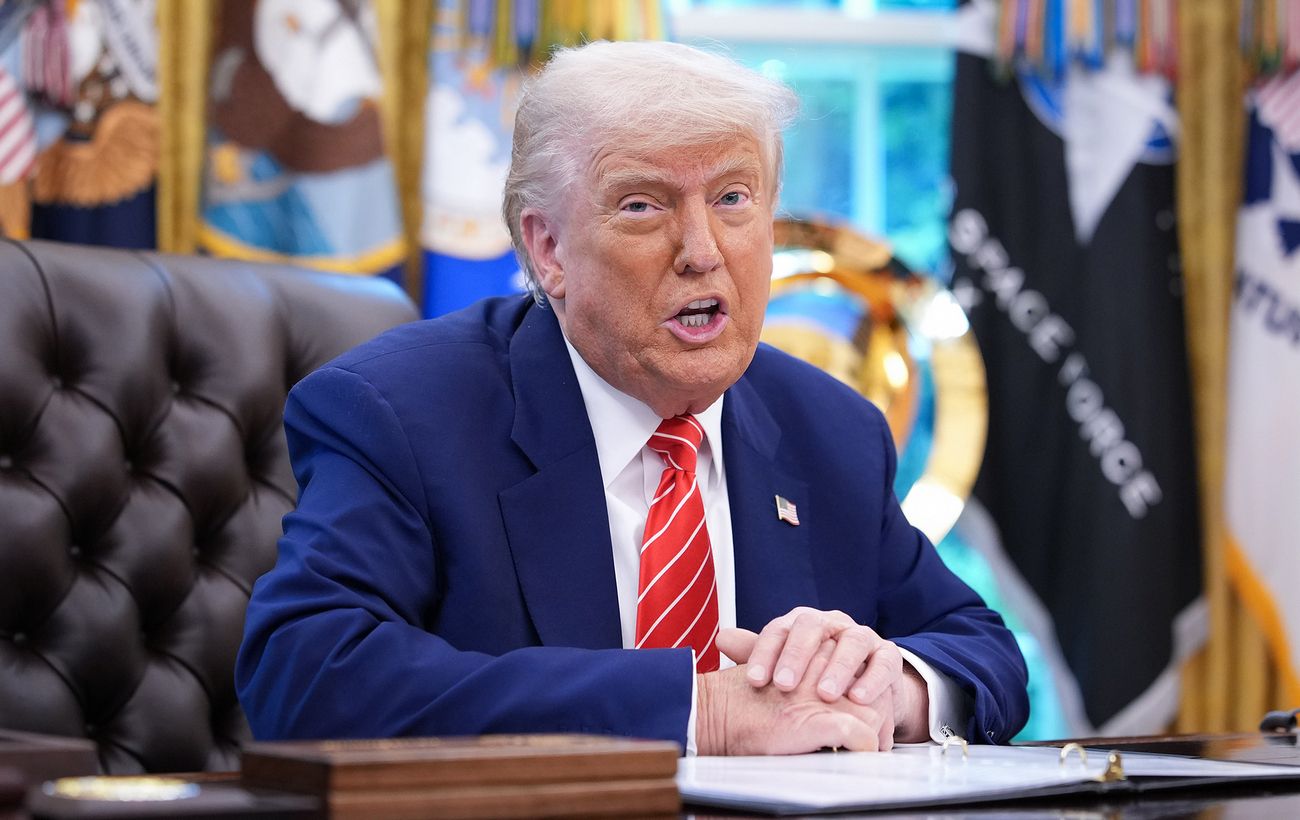
In a recent statement, U.S. President Donald Trump indicated that he has more confidence in Russian President Vladimir Putin than in European leaders. This assertion highlights a significant departure from traditional diplomatic norms, where European allies are typically viewed as crucial partners.
Trump emphasized that he finds it more challenging to negotiate with Ukrainian President Volodymyr Zelensky than with Putin. His remarks come amid ongoing tensions in Ukraine, where the conflict with Russia continues to escalate.
On March 15, Trump expressed surprise at Zelensky’s reluctance to pursue a peace agreement, suggesting that Putin appears more amenable to negotiations. This perspective raises questions about the U.S. stance on the conflict and its implications for international relations.
Recently, Trump reiterated his belief that Zelensky is obstructing the path to a peace deal, arguing that Ukraine is losing leverage in potential negotiations, while claiming that the Kremlin is ready for dialogue. This view contrasts sharply with Zelensky’s position, who has stated that achieving peace with Putin is essential, regardless of personal animosities.
Zelensky has emphasized the need for concrete agreements that would allow for a sustainable resolution to the conflict. His approach underscores the complexity of the situation, as he navigates both domestic pressures and international expectations.
President Trump has expressed a preference for dealing with Vladimir Putin over European leaders, raising concerns about U.S. diplomatic priorities. His comments reflect a controversial stance amid ongoing tensions in Ukraine, where negotiations for peace remain fraught with challenges.