“On December 11, at the XVII international conference “Conducting agribusiness in Ukraine” (DoAgro25), organized by UKAB, the topic of railway tariffs went beyond the scope of the industry discussion and actually became an issue of economic…”, — write: www.unian.ua
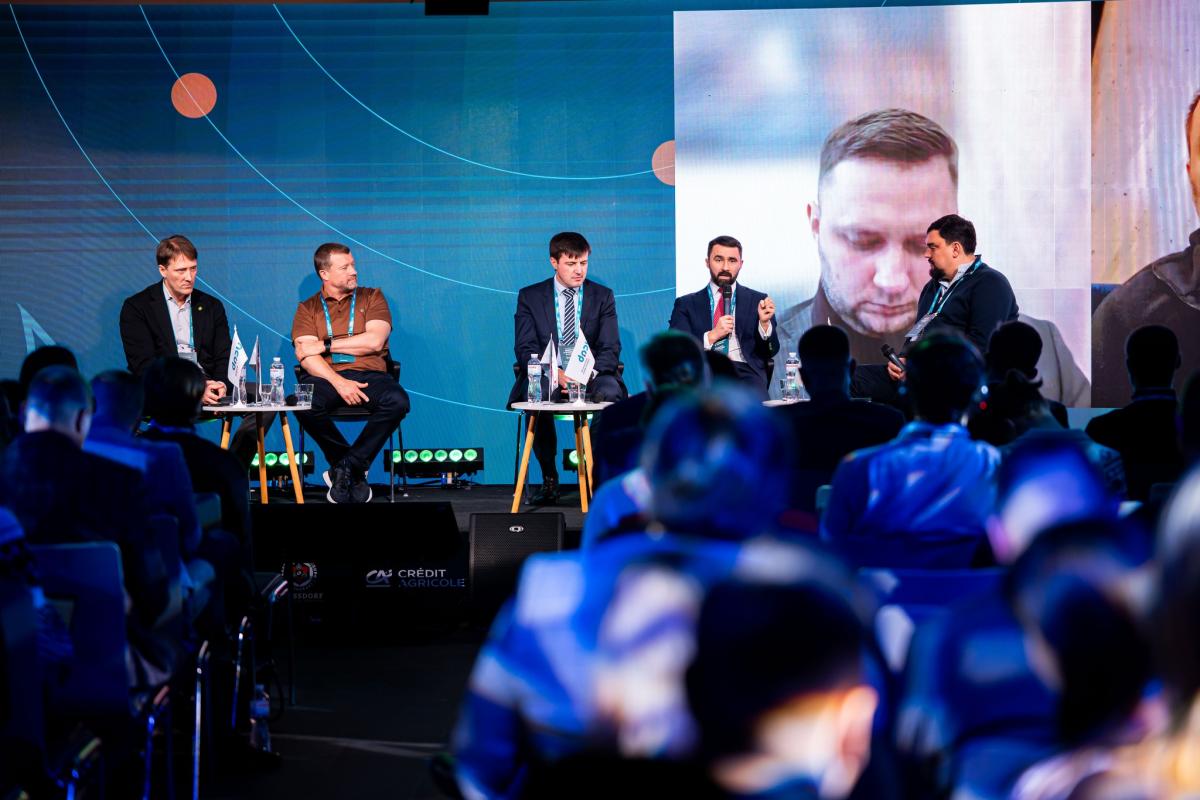
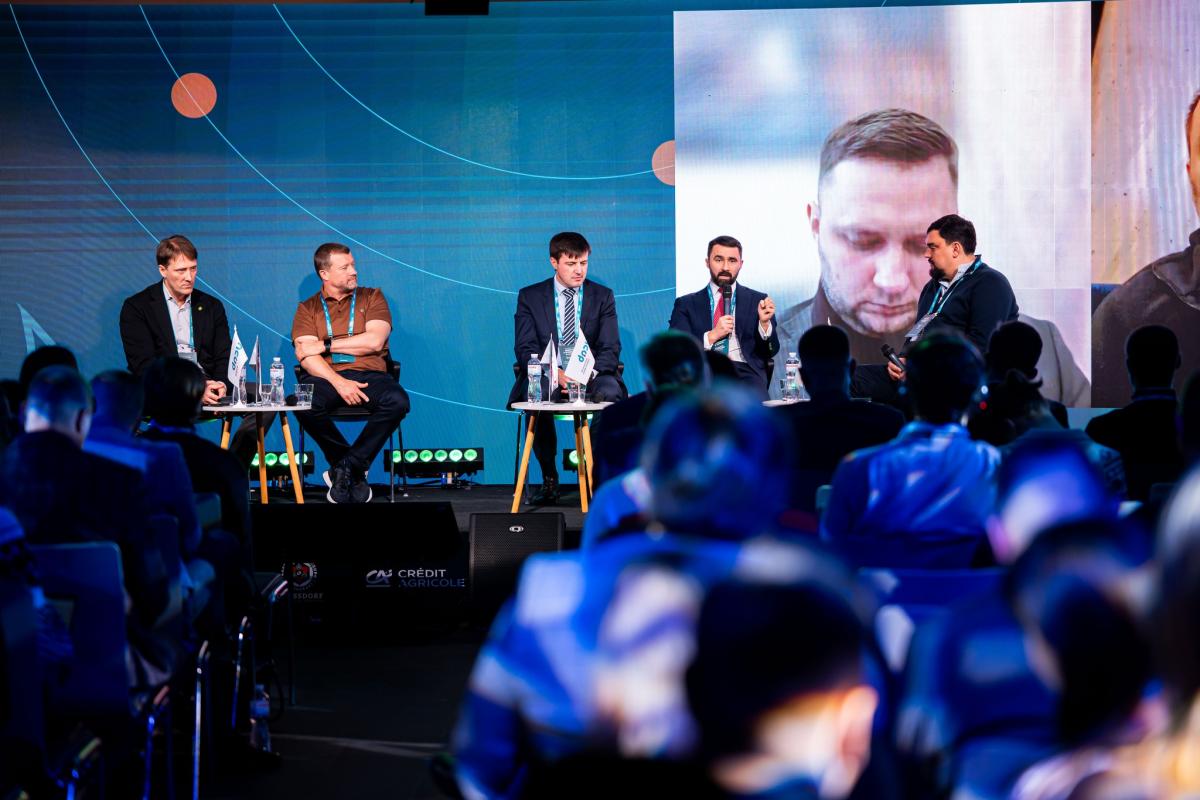 On December 11, at the XVII international conference “Conducting agribusiness in Ukraine” (DoAgro25), organized by UKAB, the topic of railway tariffs went beyond the scope of the industry discussion and actually became an issue of the country’s economic security.
The context is tense: “Ukrzaliznytsia” has been promoting the idea of increasing tariffs for freight transportation by 37% for several months – first from February 2025, later there is talk of 2026. Analysts warn: this can reduce the cargo base, reduce the volume of transportation by tens of millions of tons, and hit the GDP and tax revenues much more than it will bring additional income to the company itself.
At the “Frankly about logistics” panel, farmers, metallurgists, “Ukrzaliznytsia” and the government publicly agreed for the first time: the old model must be changed now.
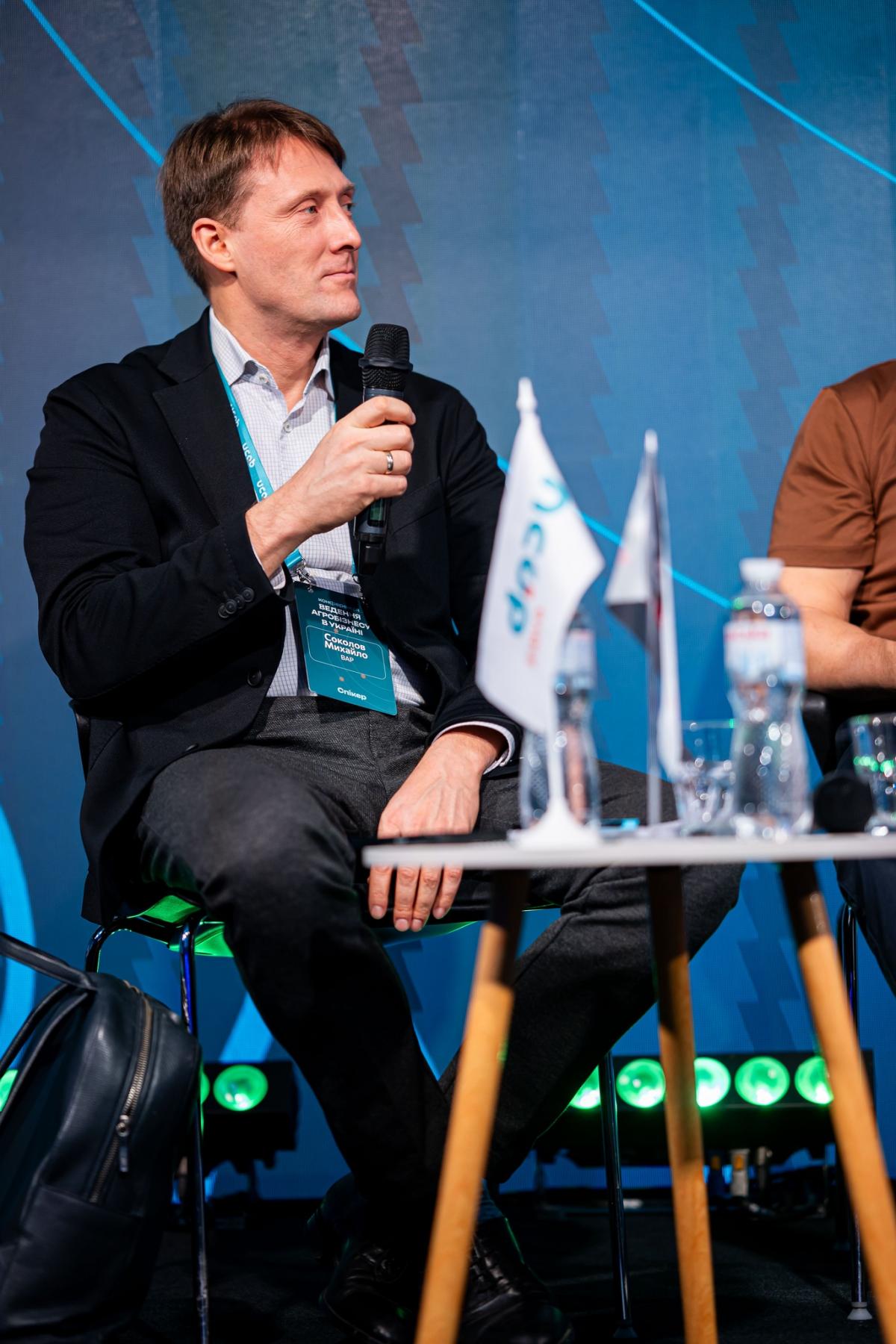
“This is not a tariff, but an additional tax”Deputy Chairman of the All-Ukrainian Agrarian Council, Mykhailo Sokolov, called the current system of cross-subsidization a “de facto tax” on export industries: “For farmers, an increase in the freight tariff is actually equal to a new tax. We pay not only for a service, but also for someone to have it cheaper. This distorts competition and affects the competitiveness of Ukrainian grain on foreign markets.” As a result, the cost of exports increases and there is an outflow of freight traffic from railways to motor vehicles.
He emphasized that VAR supports the idea of a balanced tariff, but is categorically against maintaining the current imbalance: “Obviously, route transportation for UZ is cheaper than carriage, and if route tariffs are lower – but the same for all market participants, we are in favor! It is clear that individual companies have more route shipments and, accordingly, use this model more often. This is normal. But then the same conditions should be available to everyone – only so tariff formation will be transparent and fair”.
At the same time, Sokolov emphasized that the agrarian community does not ask the question of revenge or shifting costs to other industries. “We don’t say: if we subsidized for 20 years, now let others pay. We propose something else — to calculate the real cost of transportation, determine a reasonable planned profitability and apply uniform rules for everyone,” Sokolov explained.
Mykola Miroshynchenko, the logistics director of the Kernel agricultural production company, also supported the need to reform UZ: “We need to carry out reforms and separate the infrastructure from the carrier. There are already many examples in the world, we just have to choose the one that suits us best. This will add transparency and competitiveness to the railway transportation system. A good example is wagons – there is a market of private units, prices are regulated by demand, not UZ or the state. And at the same time, everyone wins: and the state, and the farmer, and the owner of the grain wagon”.
 Position of metallurgists – pay for what you useOleksandr Vodoviz, the head of the CEO office of the Metinvest group, reminded that the difference between cargo classes was historically explained by different transportation technologies, but today this logic often does not work: “There must be an arbiter in the form of the state, which will determine what is more profitable for the economy: to raise tariffs now or to receive more taxes and foreign exchange earnings from exports in the long term.”
Metinvest supports the transition to a model where more load on infrastructure means a higher tariff – regardless of whether it is for ore, grain or building materials.
Government: there are no more arguments not to reformAnd although the chairman of the board of JSC “Ukrzaliznytsia” Oleksandr Pertsovsky admits that it will not be possible to completely avoid tariff indexation due to a number of understandable factors: shelling, rising prices for electricity, fuel, components, etc., the state actually publicly agreed with business – it’s time to move from “patching holes” to reforming the UZ model.
The Deputy Minister of Development of Communities and Territories of Ukraine, Oleksiy Balesta, outlined two directions for change: “The first step is the transfer of security and administrative functions from the monopolist to the state level, which is a necessary condition for the admission of private players. The second is the systematic compensation of passenger transportation from the budget, because it was cross-subsidization that blocked the adoption of a new law and the opening of the market for years.”
Deputy Minister of Economy, Environment and Agriculture of Ukraine Taras Vysotskyi emphasized that the mechanical +37% is a road to nowhere: “Tariff changes should be based on a clear structure of the cost price, and not on a simple proportional increase.”
 What’s nextBusinesses and specialized associations expect quick decisions from the government and parliament: the rejection of cross-subsidization, the transition to uniform pricing principles and the launch of a full-fledged reform of the railway sector.
The signal from DoAgro25 is clear: raising tariffs is easier than reforming the system, but for the economy and exports of Ukraine, the second way is the only one that makes sense in the long term.