“Russia has already come quite far ahead of the fateful summit on December 18.”, — write: www.unian.ua
Russia has already come quite far ahead of the fateful summit on December 18.
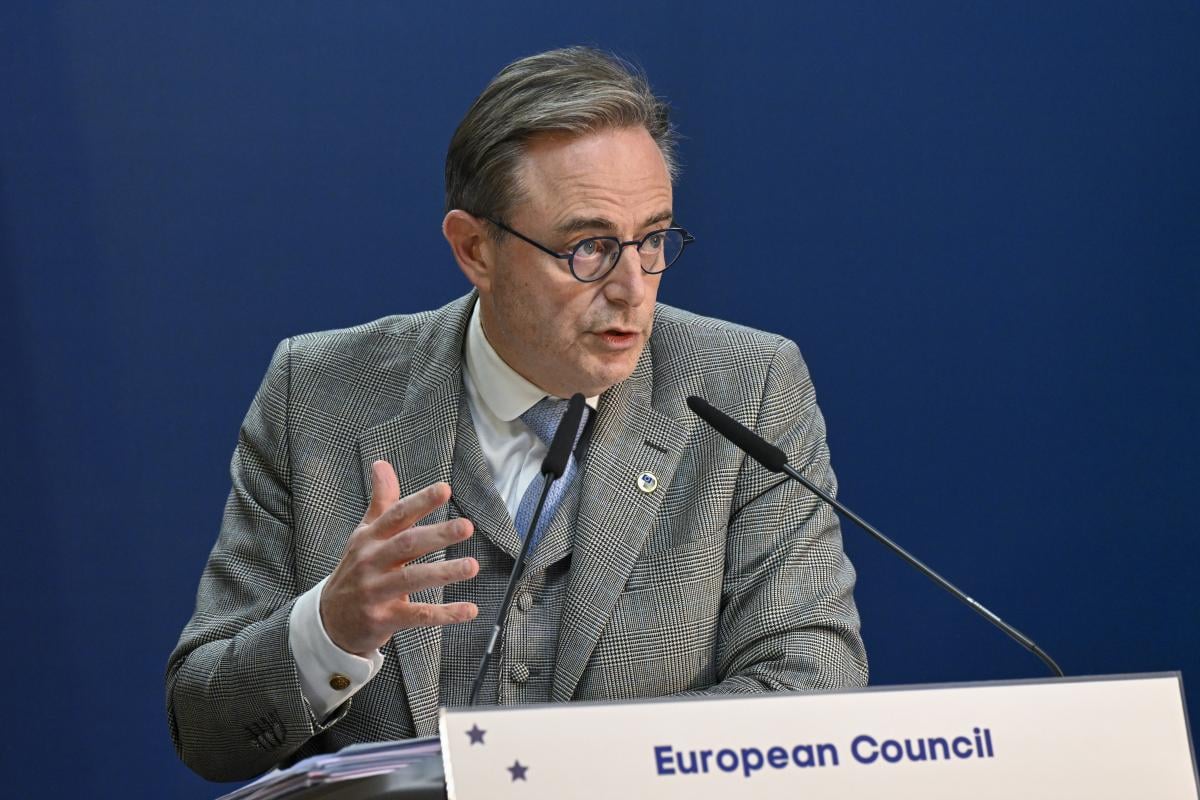
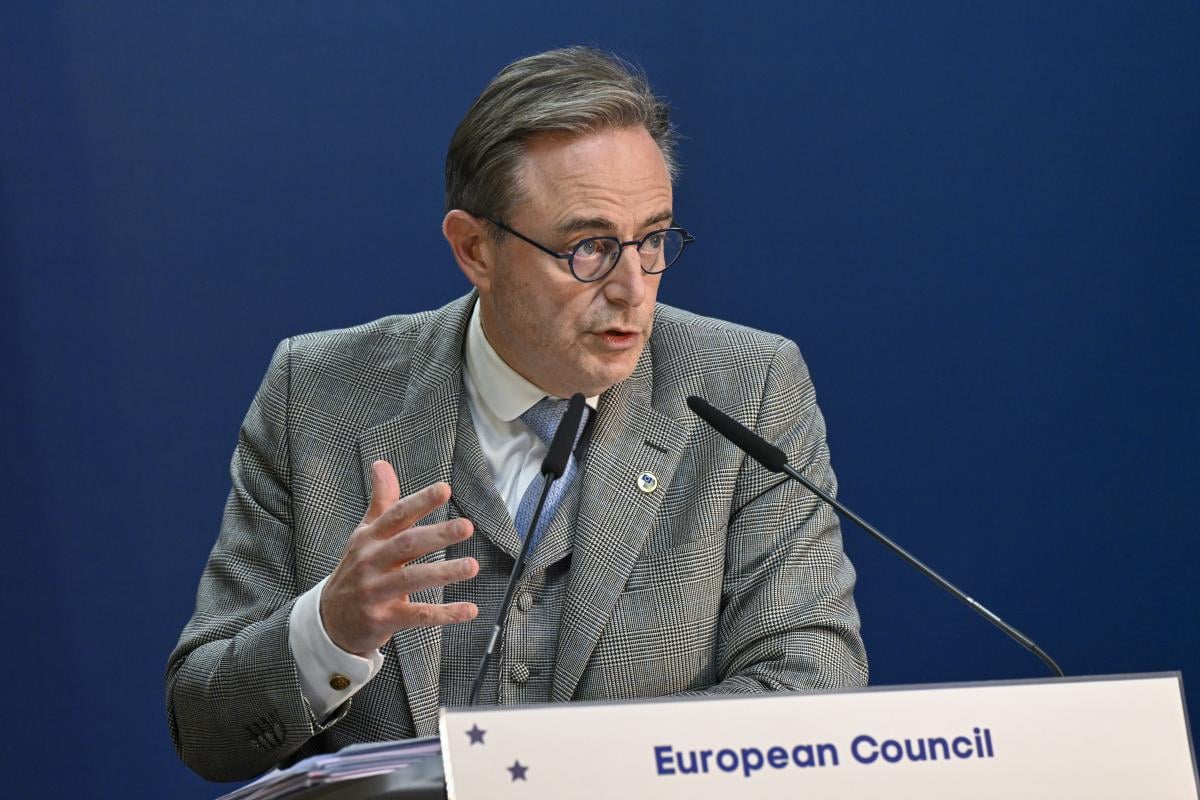 Prime Minister of Belgium Bart De Wever / photo consilium.europa.euEuropean leaders are making a last-ditch effort this week to use some 210 billion euros of frozen Russian assets to help Ukraine. Moscow is resorting to verbal blackmail and outright provocations to disrupt the process, writes The Washington Post.
Thus, the Prime Minister of Belgium Bart De Wever, whose country keeps most of the frozen funds, said that the Kremlin threatened him personally.
With Moscow counting on European support for Ukraine to dry up otherwise, Russia appears to have resorted to a multi-pronged campaign, threatening “decades” of lawsuits if its assets are seized and an unspecified “response” if Brussels continues such a “hostile act”, the publication said.
Former Russian President Dmitry Medvedev threatened on social media that Belgium could “disappear” if Russia tests its Poseidon underwater drone capable of carrying nuclear weapons.
And in recent weeks, mysterious drone incursions have led to the closure of airports across Europe, part of a destabilization campaign that European security officials say is orchestrated by Moscow. Russia denies any involvement in drone incursions or sabotage attacks.
Belgium became a particular target. In the first 10 days of November alone, more than a dozen drone incursions into the airspace over airports, military bases, and nuclear power plants were reported.
The fate of frozen Russian assets also appeared in the 28-point “peace plan” created jointly by the United States and Russia. Europeans have received clear signals that the US administration wants to use these assets as part of a settlement, which has increased the threat of a clash with European leaders.
Russia’s tactics exploit long-standing fault lines across the EU, focusing on leaders who, like De Wever, do not support the idea of using Rosactiv or take a more populist stance.
In recent days, Italian Prime Minister Giorgio Maloney, a Trump ally, as well as Bulgaria, the Czech Republic and Malta have expressed doubts about the asset plan. Meanwhile, Moscow’s allies, Hungary and Slovakia, categorically rejected it.
The position of the Prime Minister of Belgium, Bart De WeverDe Wever still stands his ground and opposes the European Commission’s plan. In an interview with the Belgian newspaper La Libre, he called the assumption that Russia could lose in Ukraine “a fairy tale” and “a complete illusion.” He added that it would be undesirable for Moscow to lose, “lest instability engulf a country that has nuclear weapons.”
He also called any moves to use Russian assets theft, echoing the Kremlin’s words.
A few days later, in a speech to the Belgian parliament, his speech that he had not become less pro-European or pro-Ukrainian by expressing concern about the EU plan was met with thunderous applause.
He strongly denies claims that he is playing into Russia’s position and appears to have the support of Belgians, with polls showing a majority against using the assets.
As a populist politician, De Wever previously supported separatist initiatives in Europe. The New Flemish Alliance party, which he has led since 2004, called for the transformation of Belgium into a confederal state and also campaigned for the secession of Flanders.
What to expect on December 18 at the EU summitBut despite its opposition, Belgium was among 25 EU member states that last week agreed to a key step in the plan: an indefinite asset freeze and the abolition of the need for a unanimous vote every six months, bypassing a veto by Moscow-friendly Hungary.
However, EU foreign policy chief Kaia Callas issued a warning this week, saying it was becoming “increasingly difficult” to reach a consensus. While officials said the decision could be taken by a weighted majority vote, overcoming Belgian resistance, Callas said it was important to make sure the EU had the country’s support.
Whatever the outcome of Thursday’s vote, European security officials said they were bracing for further Russian threats, particularly to the banking system and Belgium’s Euroclear, where most of the assets are held.
German Chancellor Friedrich Merz said the failure to reach a resolution would show the world Europe’s fragmentation and its powerlessness in trying to defend itself.
Russian assets are the main news for UkraineAccording to the president of the European Commission, Ursula von der Leyen, Europe must find 90 billion euros to finance Ukraine for the next two years. Von der Leyen noted that the allies should find a source of funds by the end of the week.
According to the 28-point “peace plan” of US President Donald Trump, in the event of an agreement between Russia and Ukraine, the United States was to receive a $300 billion “bonus”, primarily due to Russian missiles frozen in the EU.
You may also be interested in news:
- The Czech Republic is not against using frozen assets of Russia, but there are conditions
- When Ukraine will run out of money without a “reparation loan”: the Council gave a sad forecast
- The EU removed the issue of the frozen assets of the Russian Federation from the agenda, – Orban