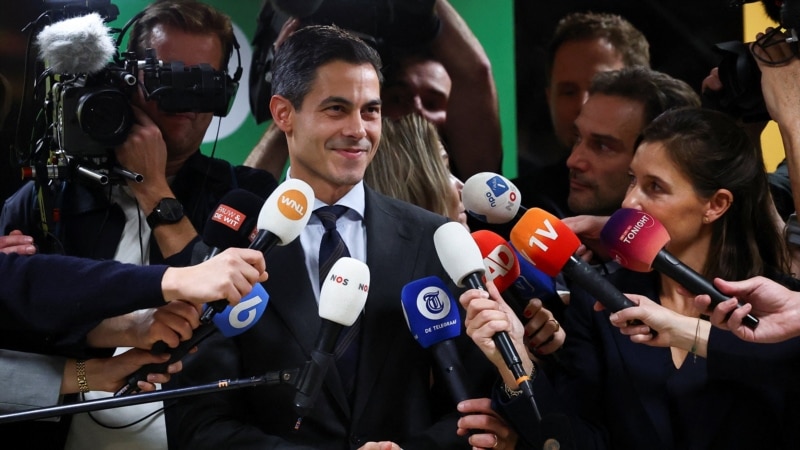
In February of this year, Rob Jetten took the oath of office, marking a significant milestone as he became the youngest Prime Minister in the history of the Netherlands. At 38 years old, Jetten’s ascension to this prominent political role has drawn considerable attention both domestically and internationally.
Jetten, a member of the centrist D66 party, has a background in environmental policy and progressive governance. His leadership comes at a time when the Netherlands faces various challenges, including climate change, economic recovery post-pandemic, and social cohesion amid rising political polarization.
His appointment is notable not only for his age but also for the generational shift it represents in Dutch politics. Many observers view Jetten as a symbol of a new era, one that prioritizes sustainability and inclusivity. His government is expected to focus on implementing policies that address climate issues while also fostering economic growth and social equity.
The political landscape in the Netherlands has been evolving, with younger leaders gaining prominence across various parties. Jetten’s leadership style and policy initiatives will likely influence the direction of Dutch politics in the coming years.
As Prime Minister, Jetten faces the challenge of navigating a coalition government, which requires balancing the interests of multiple parties. His ability to unite differing viewpoints will be crucial for the stability and effectiveness of his administration.
Jetten’s tenure will be closely monitored, as it could set a precedent for future leaders in the Netherlands and beyond. His focus on progressive values may resonate with a younger electorate eager for change.
Rob Jetten's recent swearing-in as the youngest Prime Minister of the Netherlands highlights a generational shift in Dutch politics. His leadership will be pivotal in addressing key issues such as climate change and social cohesion.