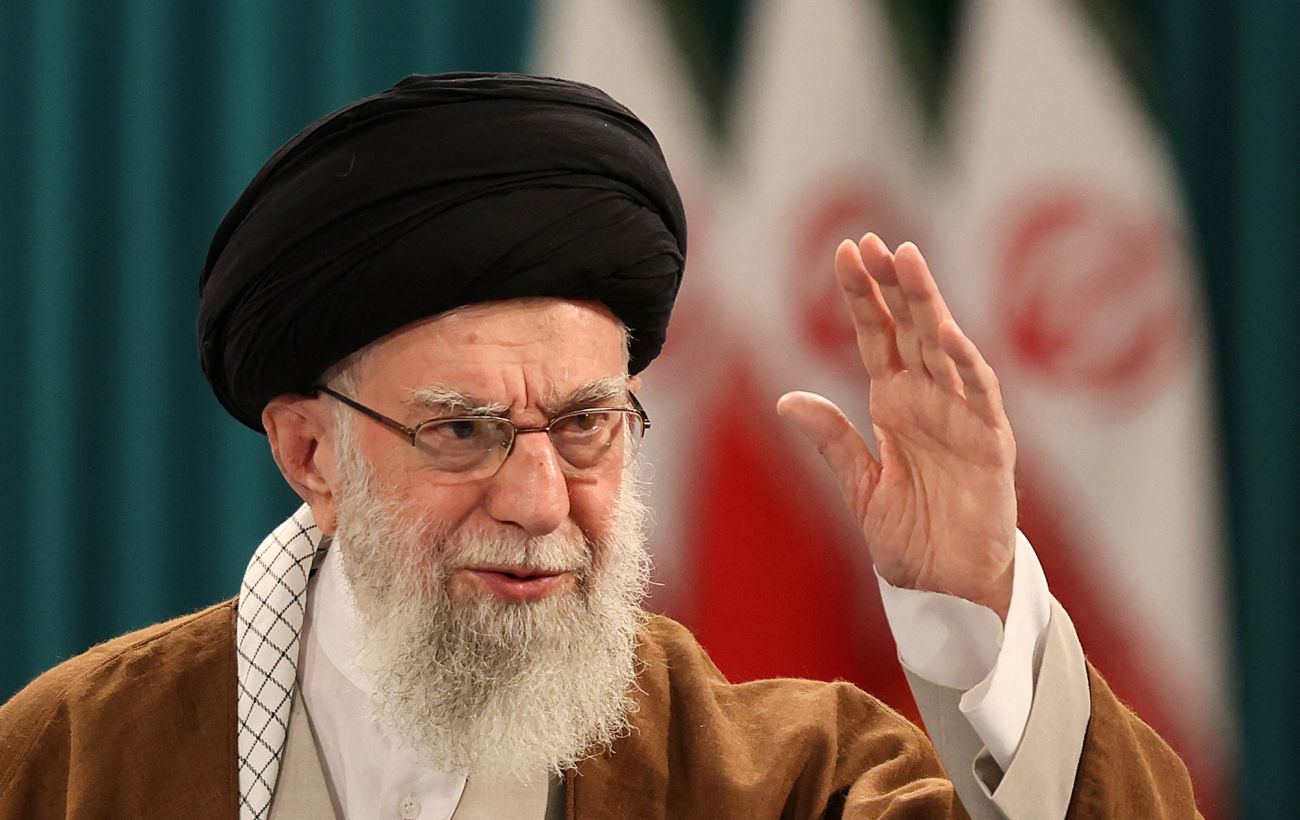
In recent statements, a U.S. senator has suggested that the political landscapes in Venezuela, Iran, and Cuba could undergo significant changes within the next six months. He posits that these changes may lead to the emergence of governments more aligned with American interests.
The senator emphasized the potential for regime changes in these three nations, describing the scenario as possibly the most substantial geopolitical shift since the fall of the Berlin Wall in November 1989. He stated, “We are at a moment where we could realistically see the fall of regimes in Iran, Venezuela, and Cuba, and we could see them replaced by governments that want to be friends with America.”
However, he acknowledged the complexities involved, noting that there are “a thousand ways” in which the situation could deteriorate. This recognition of potential pitfalls indicates a cautious optimism rather than an unqualified belief in imminent change.
The senator’s remarks reflect a broader context of U.S. foreign policy, which has often sought to influence political developments in these countries. Historically, the U.S. has viewed the governments in Venezuela, Iran, and Cuba as adversaries, and any shift toward more favorable regimes could have far-reaching implications for international relations in the region.
While the senator’s comments have sparked discussions about the future of these nations, it remains to be seen whether such political transformations will materialize. The dynamics within each country are complex, influenced by internal factors such as economic conditions, public sentiment, and the actions of opposition movements.
A U.S. senator has suggested that Venezuela, Iran, and Cuba may experience regime changes within six months, potentially leading to governments more aligned with U.S. interests. While this could represent a significant geopolitical shift, he cautioned against over-optimism, acknowledging the many uncertainties involved.