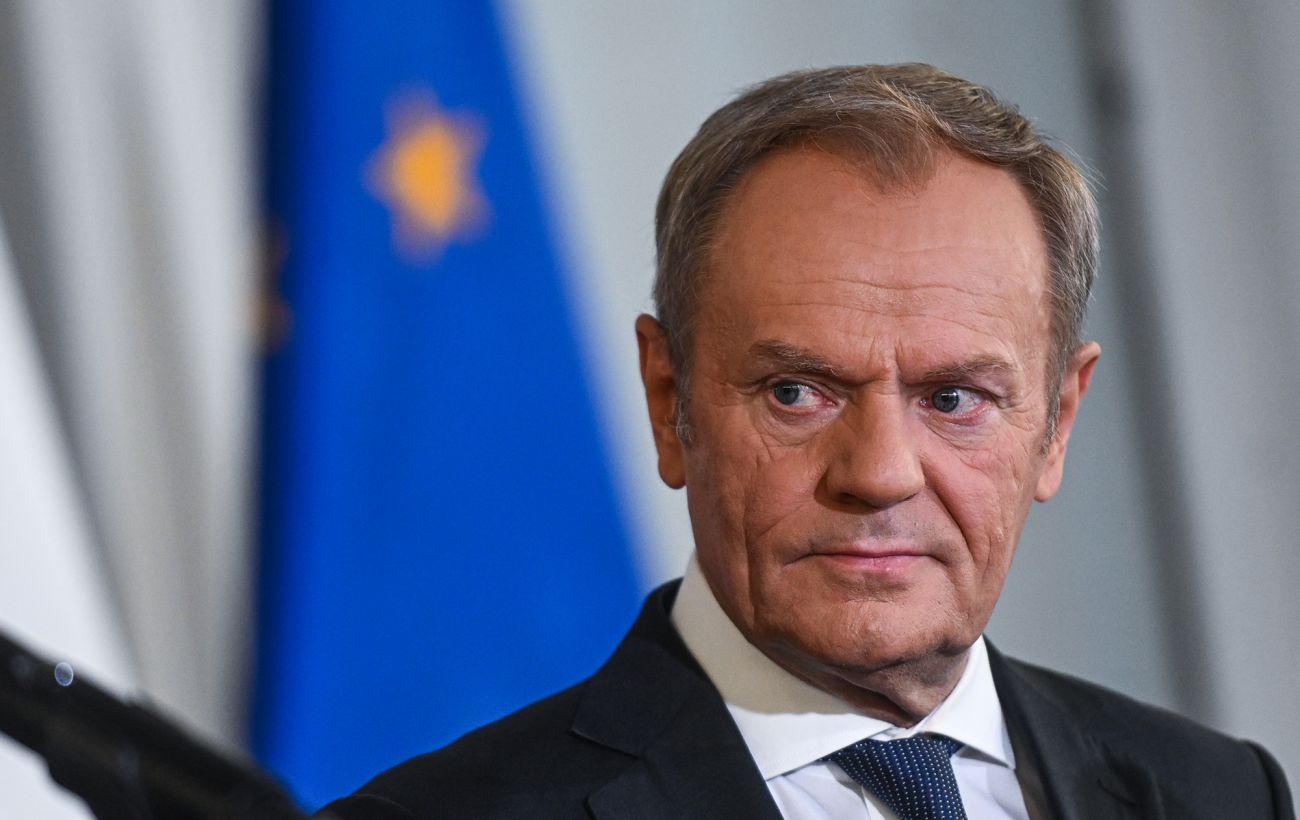
The prospect of Poland exiting the European Union, often referred to as “Polexit,” has escalated into a tangible concern due to the actions of right-wing factions and President Karol Nawrocki’s veto on financial initiatives. This situation poses a significant risk to the unity of the EU bloc.
The Polish Prime Minister has emphasized that the risk of leaving the EU is no longer a hypothetical scenario. He stated that domestic Eurosceptic forces are operating in the interests of external players who aim to weaken Europe.
“Russia, the American MAGA movement, and European right-wing leaders like Orbán want to dismantle the EU. This would be a disaster for Poland,” said Donald Tusk.
Tusk further indicated that factions within the Confederation and the ruling Law and Justice Party (PiS) are effectively pushing the country toward a rupture with Brussels.
The situation intensified when President Nawrocki blocked a law that would have allowed Poland to access €43.7 billion in defense loans from the EU. This decision jeopardizes military funding, which is projected to reach 5% of GDP.
The Prime Minister underscored the seriousness of the opposition’s intentions regarding an EU exit.
“Polexit today is a real threat! Both the Confederation and the majority of the PiS party want this. I will do everything possible to stop them,” Tusk asserted.
Experts have noted that despite the overall support for the EU among the Polish populace, one in four Poles is already prepared to vote for an exit, reminiscent of the dynamics observed in the UK prior to Brexit.
Political tensions between the government and President Nawrocki have intensified following his veto on legislation aimed at providing Poland with access to preferential EU loans for defense. Nevertheless, Tusk assured that Warsaw would find resources to bolster its military, promising not to hinder security development.
Previously, analysts warned that the president’s decision poses risks to Poland’s security, as the lack of these funds could delay crucial arms supply contracts amid a tense geopolitical landscape.
The risk of Poland exiting the EU has become a pressing issue, driven by political divisions and financial blockades. The situation raises concerns about national security and military funding amidst growing Euroscepticism.