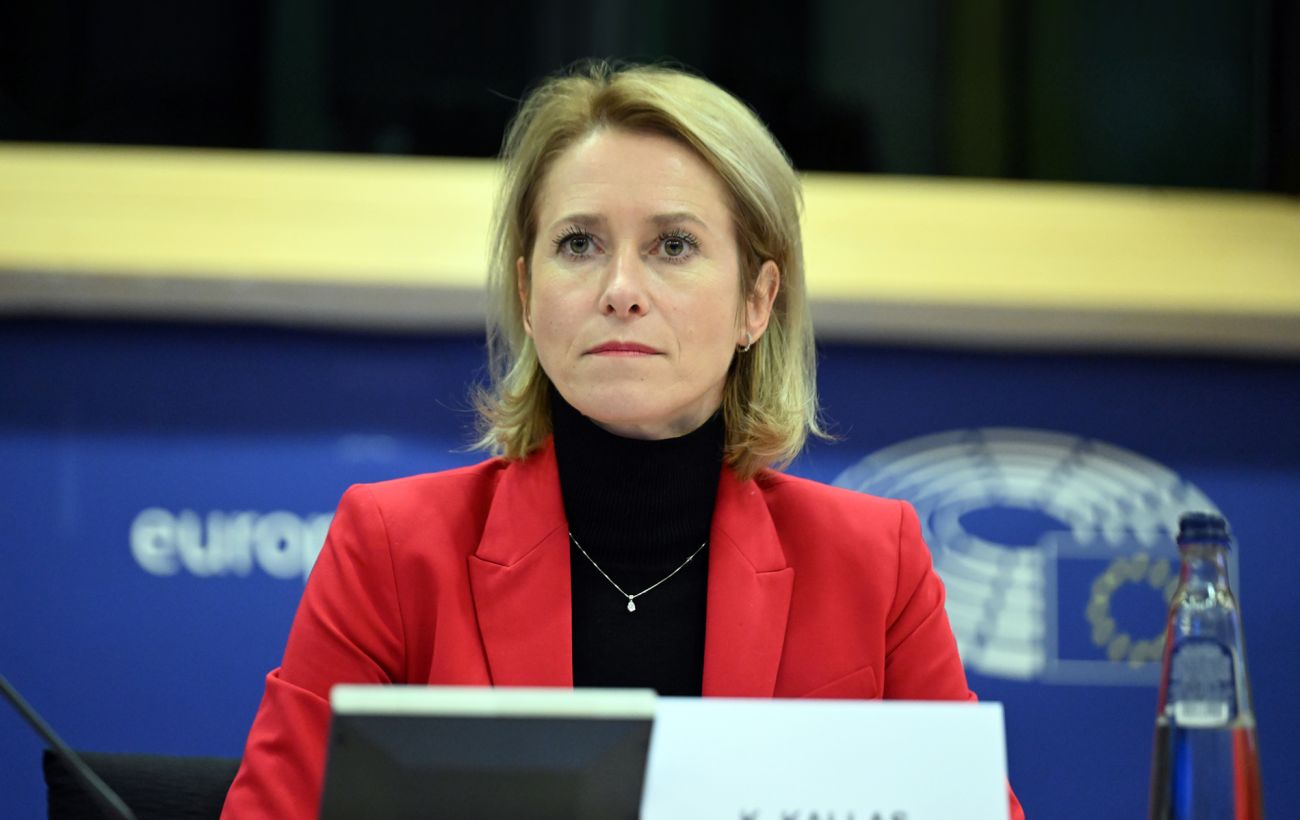
The European Union has not reached an agreement on the 20th package of sanctions targeting Russia, as two member states have effectively blocked the proposal. This setback was confirmed by EU foreign policy chief Josep Borrell and reported by various media outlets.
Borrell highlighted that four years into the full-scale war in Ukraine, the country continues to bear significant costs due to Russia’s aggression. Despite this, he noted that Moscow has failed to achieve any of its strategic objectives, with the Russian military bogged down and its economy in decline.
“Unfortunately, we did not reach an agreement on the 20th sanctions package. This is a failure and a signal we did not want to send today. However, our work continues,” Borrell stated.
He emphasized that, after a year of negotiations between Ukraine and Russia, there has been no ceasefire, attributing the lack of progress solely to Moscow’s intransigence.
Borrell urged a shift in approach, advocating for demands on Russia to meet basic conditions for a fair and lasting peace rather than pressuring Ukraine to concede territory. He stressed that Europe has clear and legitimate interests in the outcome of the conflict, and it is crucial to define expectations from Russia to avoid European interests being collateral damage.
He outlined the fundamental conditions that should be met:
- Respect for borders;
- Cease of hostilities;
- Payment for military damages;
- Return of abducted Ukrainian children.
Additionally, journalist Ricard Jozwiak reported that the foreign ministers of EU countries failed to make any progress on the new sanctions package due to opposition from Slovakia and Hungary. He suggested that the deadline for finalizing the sanctions, set for February 24, is likely to be missed.
The EU has not approved a new sanctions package against Russia, hindered by opposition from Slovakia and Hungary. This failure highlights ongoing challenges in addressing the conflict in Ukraine and the need for a shift in diplomatic strategy.