“Wild animals make cozy beds and look for food.”, — write: www.unian.ua
Wild animals make cozy beds and look for food.
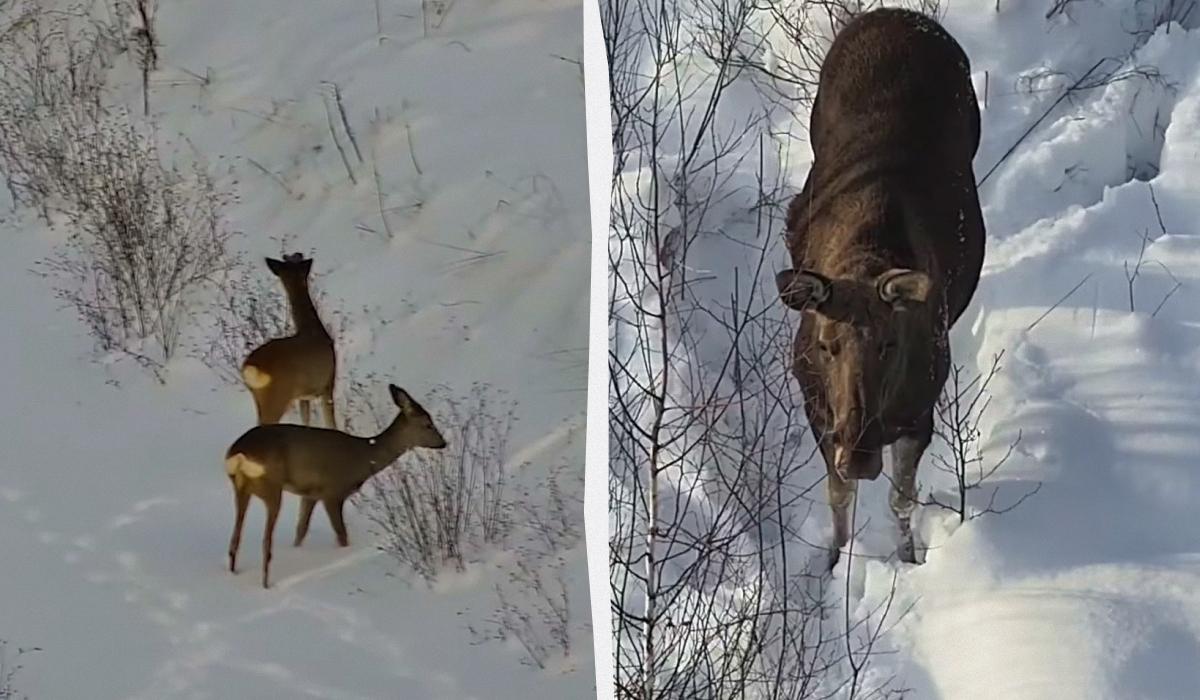
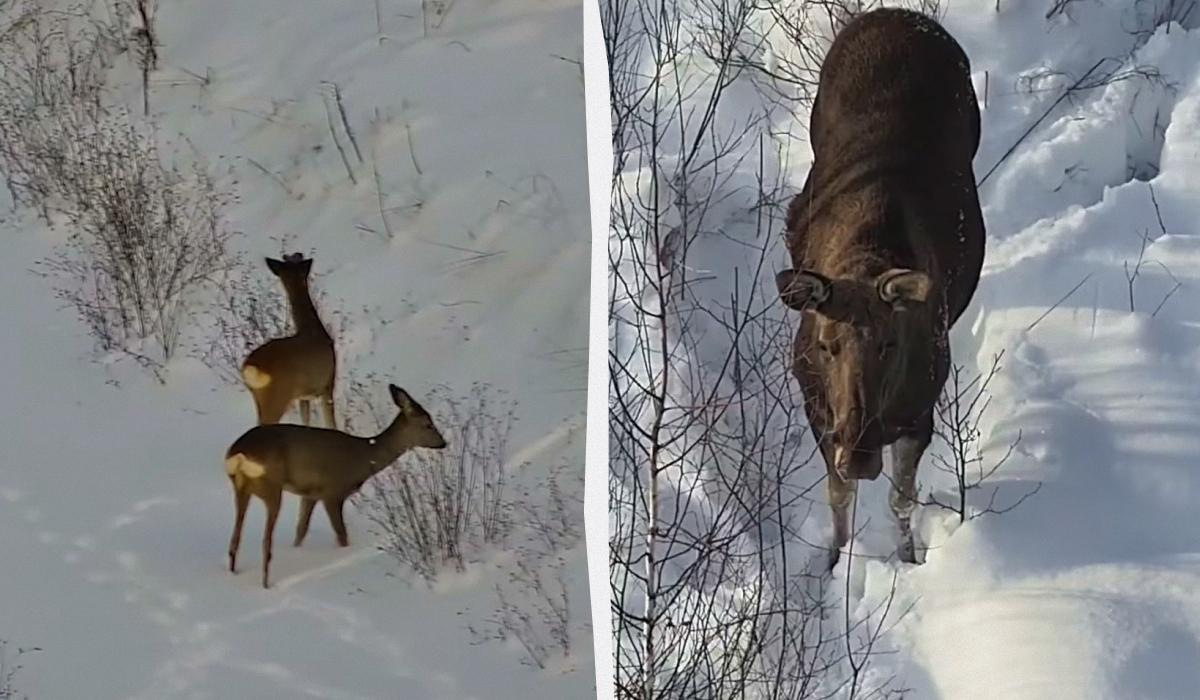 They don’t have passports, but they move freely / UNIAN collage, frames from the video of the DPSUBorder guards recorded moose and roe deer in Ukrainian forests. The interesting life of animals was recorded by the Volyn detachment of the State Security Service. In the video, which was probably taken with the help of a drone, you can see wild animals in the snow. In particular, moose and roe deer are engaged in “personal affairs” – looking for food and simply walking through the woods.
“The Volyn border detachment reports: the situation is under control, and special guests are in the lens. These graceful moose and roe deer do not have passports, but they have complete freedom of movement in our forests. They make comfortable beds in the snow and leisurely wander along the white paths,” the press service of the State Border Service reported.
Ecosystems and wild nature of Ukrainian regionsEarlier, UNIAN wrote that border guards of the “Bohdan” department of inspectors of the Mukachevo detachment in the mountainous territory of Ukraine recorded a lynx, which servicemen of the DPSU call “a well-known inspector.” They say that this hairy auditor is still remembered as a kitten – during patrols, the border guards came across his tracks more than once.
The predator was captured by remote monitoring devices on the Ukrainian-Romanian section of the border. Military personnel reminded that the lynx can walk up to 30 km per day and is better adapted to snow than other felines. It is interesting that in places the snow reaches a height of 2 meters, frost, wind and low visibility make it difficult even for experienced hikers. Therefore, it is better for people not to wander through these thickets.
In addition, we also reported that one of the fastest birds of prey in Eurasia appeared in the Odesa steppe.
It is said that this territory is an important center of preservation of steppe ecosystems, and the release is part of a long-term program for rewilding steppe ecosystems of southern Ukraine.
You may also be interested in news:
- Mosquitoes increasingly feed on human blood: scientists have found out the reason
- The longest-lived vertebrate in the world preserves its vision for centuries – scientists
- 24 thousand kilometers: scientists traced the journey of the turtle Caretta-Caretta