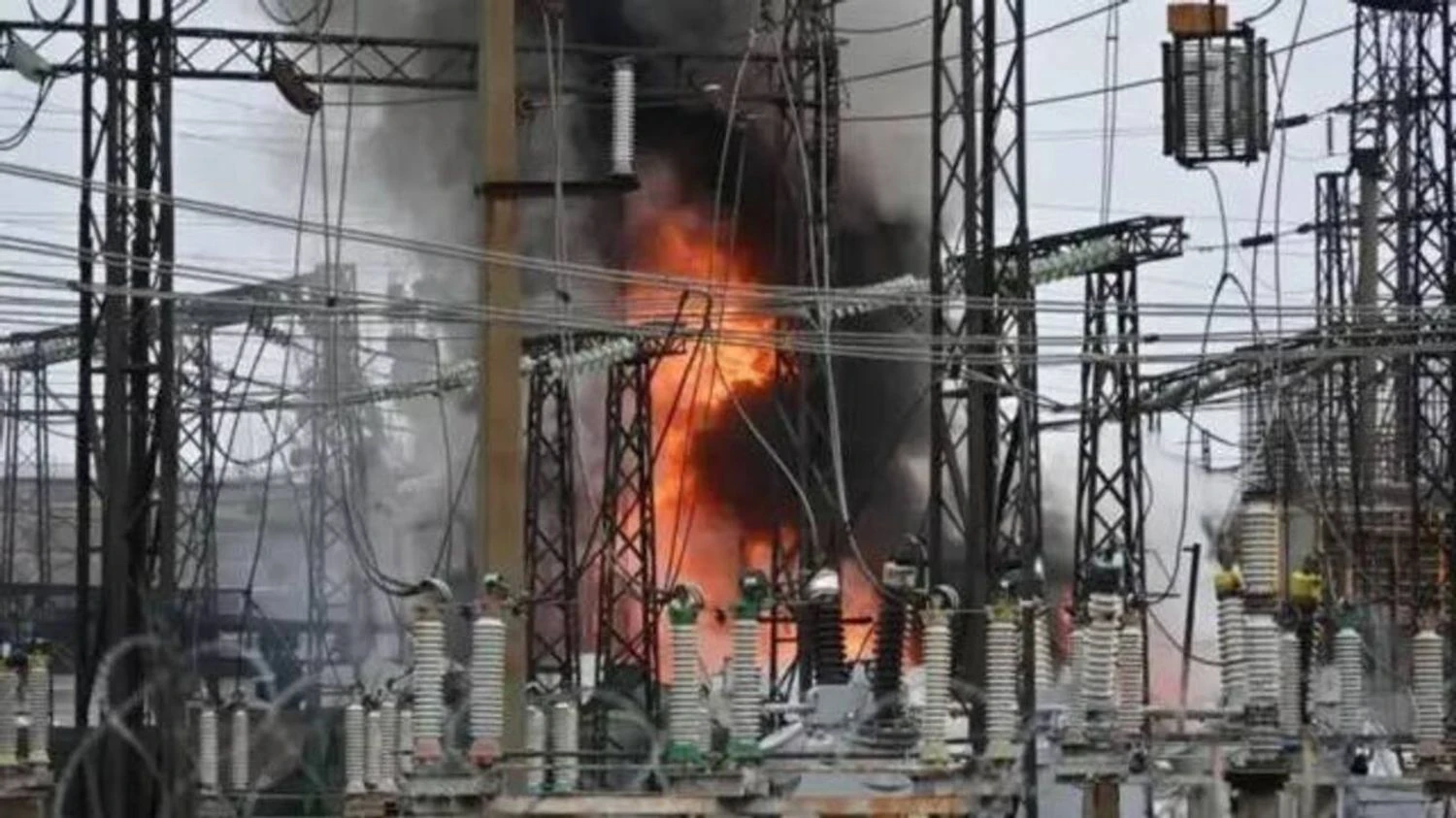
“Ukraine on the verge of humanitarian catastrophe due to Russian attacks on energy infrastructure – DTEK CEODTEK CEO Maksym Timchenko stated that Ukraine is approaching a humanitarian catastrophe due to Russian attacks on energy
infrastructure. The restoration of the energy sector is estimated at 65–70 billion dollars, which will require the construction of
a new energy system.
”, — write: unn.ua
DetailsAccording to him, Ukraine has experienced two weeks with temperatures ranging from -15 to -20 degrees Celsius, while Russia has been striking gas transportation, storage, and production facilities. He noted that Russia, which launched a full-scale invasion of Ukraine almost four years ago, has been conducting an “energy terror” campaign since October 2025, striking power plants and overloading air defense systems.
We are on the verge of a humanitarian catastrophe. People get electricity for 3-4 hours, and then have a 10-15-hour break. We have apartment buildings that have not had heating for weeks
He added that Ukraine is holding on thanks to gas imports, particularly from the United States, as the attacks have forced gas, coal, and hydroelectric power plants to operate below their capacity.
According to him, DTEK has lost 60-70% of its production capacity and suffered hundreds of millions of dollars in losses.
Timchenko also stated that restoring the energy sector would cost $65-70 billion. He referred to World Bank estimates and added that in many cases, completely new assets would have to be involved.
We are talking more about building a new energy system in Ukraine, rather than just reconstruction
In addition, Ukraine must accelerate the construction of decentralized generation facilities, including new solar projects, green parks, and storage facilities. This decentralization means that energy assets will be more difficult to hit with drones and missiles, Timchenko said.
We cannot count on signing a peace agreement. We must start preparing today
RecallPrime Minister of Ukraine Yulia Svyrydenko announced the maximum increase in imports and the introduction of new alternative capacities.