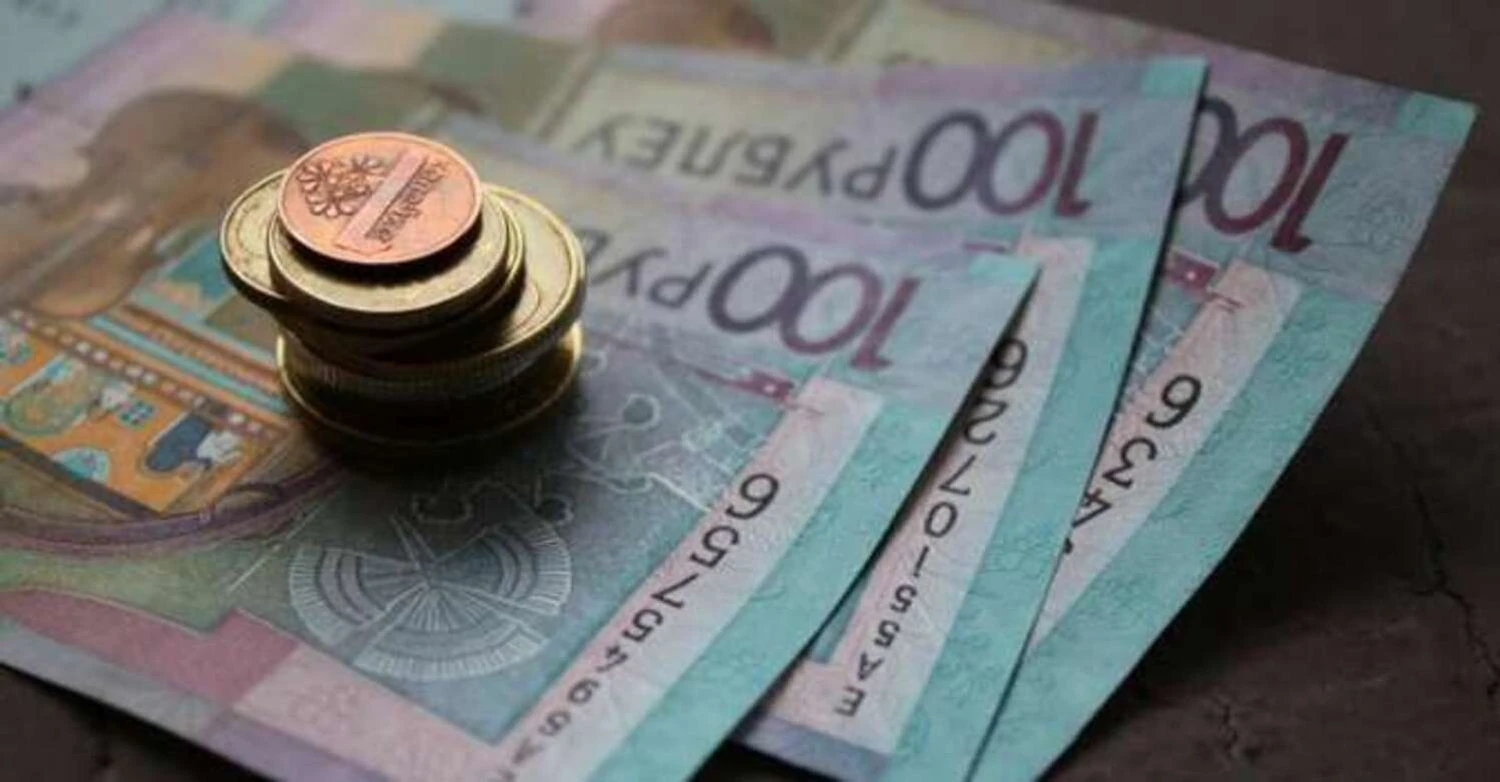
“Belarusian economy enters slowdown with no prospects of recovery in 2026 – Foreign Intelligence ServiceInternational financial institutions predict a prolonged slowdown of the Belarusian economy until 2026 due to sanctions and
dependence on Russia. GDP growth of 1.4–1.8% and inflation of 7–7.5% are projected under the baseline scenario.
”, — write: unn.ua
DetailsAccording to the Foreign Intelligence Service, the key factors remain sanctions pressure, limited access to external capital markets, and structural dependence on the Russian economy, which itself is showing weakening.
At the same time, economists are considering several scenarios for 2026, none of which envisages a full recovery:
The baseline scenario, which is considered the most probable, is based on weak growth amid declining demand from Russia, a key trading partner. Government investment programs and domestic consumer demand will partially offset the decline, but inflationary pressure will persist due to imported inflation from Russia and labor shortages. GDP growth is expected to be only 1.4–1.8%, inflation at 7–7.5%, and a gradual weakening of the Belarusian ruble from 2.9 per US dollar at the beginning of the year to 3.2–3.4 at the end. Real incomes of the population will formally grow, but this increase will be inflationary
At the same time, the negative scenario, which is also considered likely, is associated with a further deterioration of the economic situation in Russia, the extension or strengthening of EU sanctions against Belarus, and the exhaustion of fiscal and monetary support instruments. Under such conditions, even limited growth becomes doubtful.
The positive option remains rather theoretical and depends on foreign policy decisions, primarily the easing of sanctions on potash fertilizer exports. In the absence of such a step by the EU, any positive effect will be fragmented and will not have a cumulative impact
RecallAccording to the Foreign Intelligence Service of Ukraine, the Russian financial and institutional system is increasingly plunging into a regime of controlled chaos: spheres are becoming less transparent, control is reduced to manual management, and openness is virtually disappearing.