The U.S. Securities and Exchange Commission (SEC) and the Commodity Futures Trading Commission (CFTC) have signed a memorandum of understanding aimed at enhancing their regulatory cooperation concerning the digital asset sector. This agreement, finalized last week, marks a significant step toward a unified regulatory framework for cryptocurrencies and other emerging technologies.
Both agencies have indicated their commitment to moving past previous regulatory conflicts and are now focused on a collaborative approach to rulemaking. The memorandum outlines plans for regular joint meetings and data sharing, which are intended to improve oversight of the digital asset market.
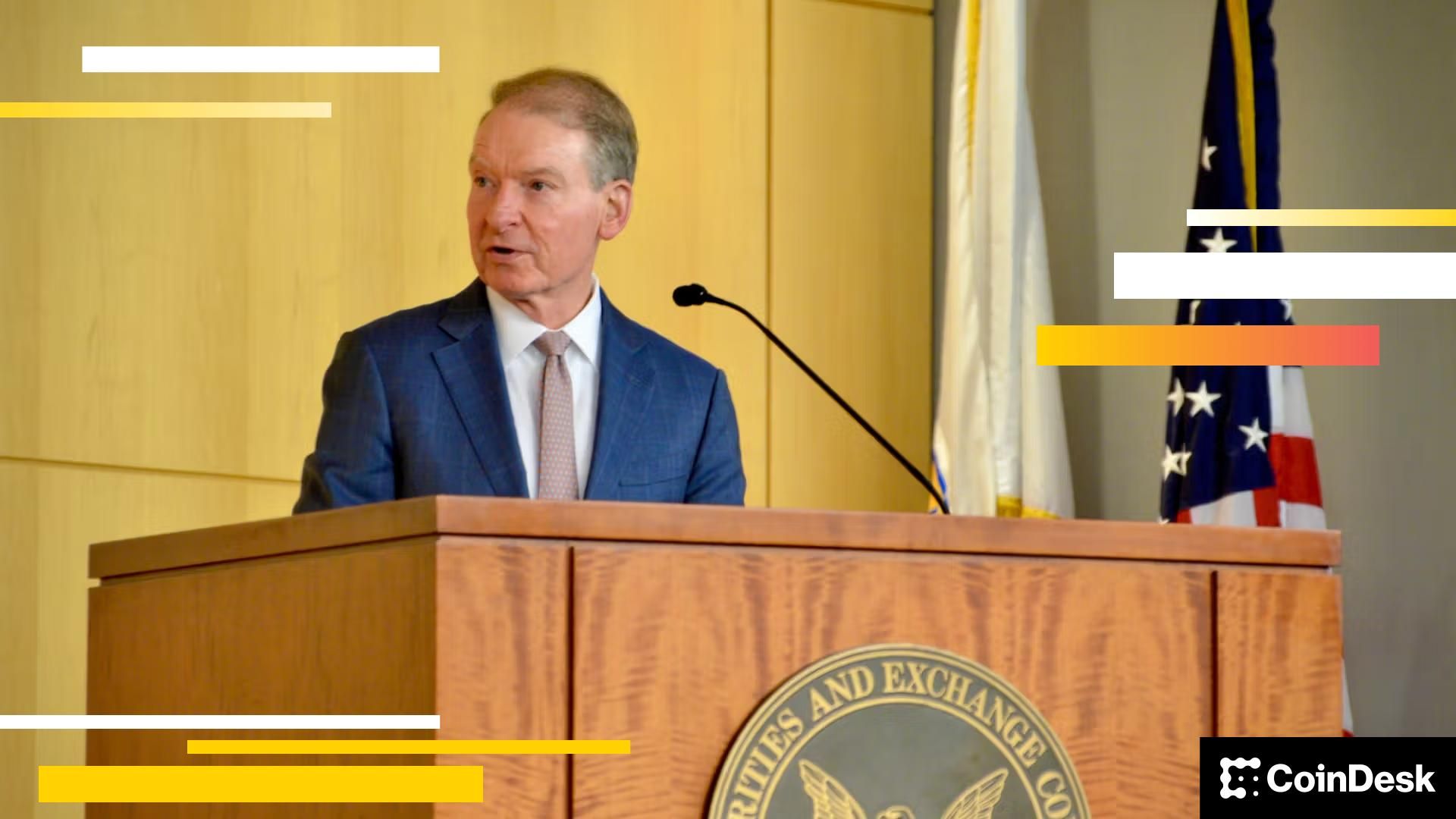
“More than aligning our rules, a harmonized framework also demands coordinating our responses to the firms that operate within it, including those that have questions of interpretation or request exemptive relief,” said SEC Chair Paul Atkins in prepared remarks.
A key objective of this memorandum is to establish a mutual understanding of how to classify digital assets, particularly in terms of whether they qualify as securities. This coordination is seen as essential to providing clarity for firms operating in the digital asset space.
The memorandum also emphasizes the need for joint interpretations and rulemaking to refine product definitions. Additionally, the agencies plan to update their regulatory frameworks across various areas, including clearing and margin requirements, trade data, and the roles of intermediaries.
Reports suggest that the harmonization efforts may extend beyond regulatory collaboration, with discussions about the possibility of the SEC and CFTC sharing office space in the SEC’s building.
Despite these advancements in regulatory cooperation, the agencies and industry stakeholders are still awaiting developments related to a market structure bill currently under consideration in the Senate. Senate Majority Leader John Thune indicated that the bill is unlikely to progress before April, coinciding with Congress’s upcoming two-week Easter recess.
As the Senate Banking Committee works toward a consensus on this legislation, logistical challenges may hinder timely action. Additionally, lawmakers are engaged in negotiations regarding funding for the Department of Homeland Security, and President Donald Trump has expressed a desire for the passage of the Safeguard American Voter Eligibility Act (SAVE Act) before endorsing any other bills.
In related news, a federal court recently concluded a protracted legal battle involving Custodia Bank and the Federal Reserve. The court denied Custodia’s request to challenge the Fed’s authority over master accounts, even as Kraken was granted limited access to such accounts. This development occurs amid growing discussions about broader access to master accounts for crypto institutions.
As regulatory bodies and industry participants navigate these complex issues, the SEC and CFTC’s recent memorandum represents a proactive step toward a more cohesive regulatory environment for digital assets.
The SEC and CFTC have formalized a memorandum to enhance their regulatory cooperation in overseeing the digital asset sector, signaling a move towards a unified framework. While this agreement aims to clarify product definitions and improve oversight, the industry awaits further developments on pending legislation.