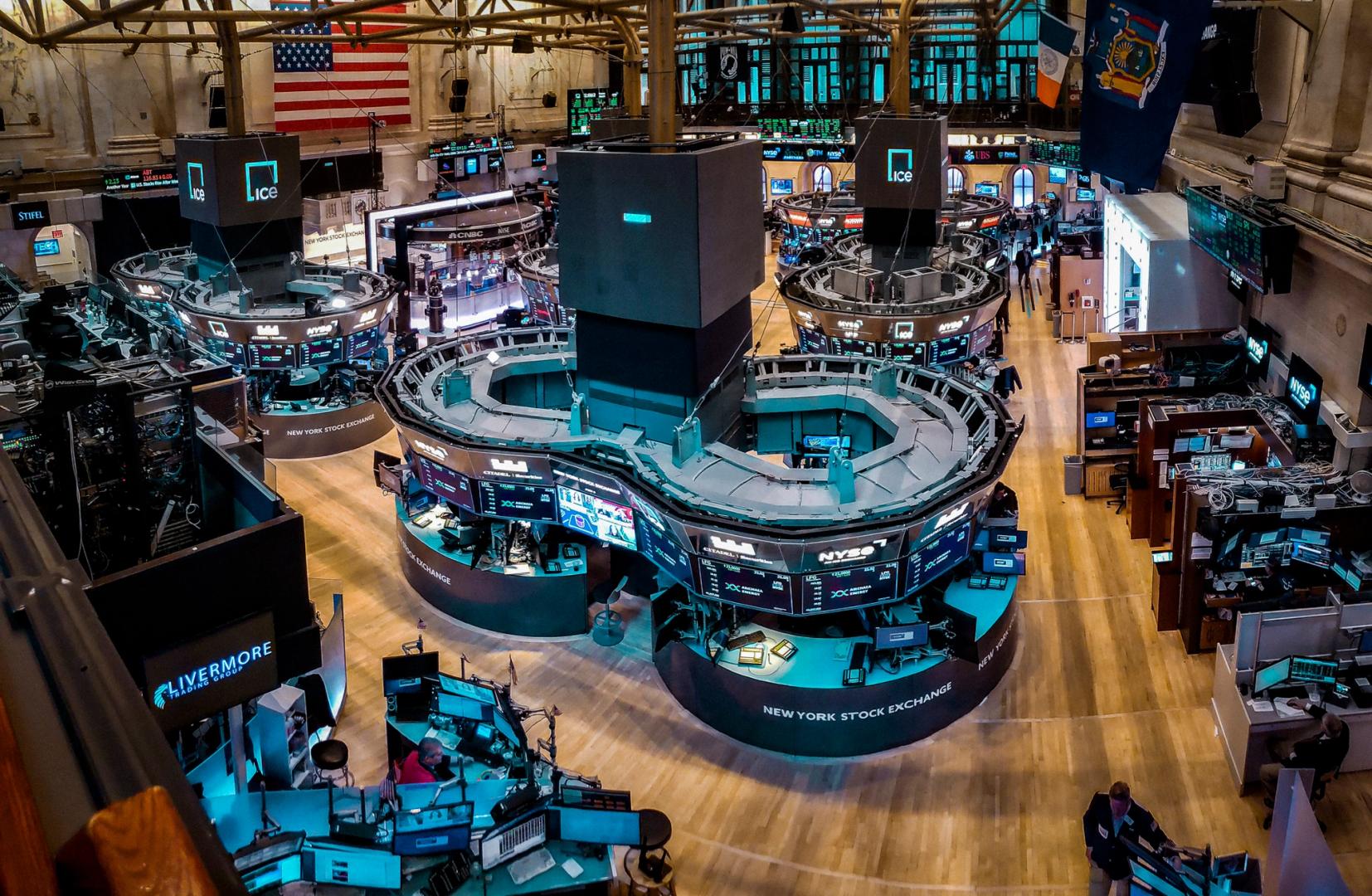
The introduction of 24/7 trading by major U.S. exchanges, including the NYSE and Nasdaq, is poised to reshape the landscape of stock trading. This shift aims to eliminate after-hours price manipulation, benefiting traders while potentially diminishing the influence of intermediaries.
Mati Greenspan, CEO of Quantum Economics, argues that the primary beneficiaries of continuous trading will be individual traders, who have historically faced disadvantages during off-hours. “The biggest losers in 24/7 stock trading won’t be traders: they’ll benefit massively. It’ll be the middlemen who’ve long made money when traders can’t trade,” he stated.
Greenspan contends that during market closures, a limited number of firms often dictate the first prices when trading resumes, sometimes exploiting this power to trigger stop-loss orders, which can lead to significant losses for individual investors. He described these practices as a form of manipulation, stating, “They basically get to control prices, often with hours to strategize.” This raises concerns about the integrity of pricing in the after-hours market.
As major exchanges seek to implement round-the-clock trading, the NYSE has applied for SEC approval, while Nasdaq announced similar intentions in December. The CME plans to introduce 24-hour crypto futures in 2026, contingent on regulatory approval, and Cboe has already expanded U.S. index options to 24/5 trading.
Market analysts have noted that after-hours trading environments are often characterized by reduced liquidity, which can lead to exaggerated price movements. Joe Dente, a floor broker at the NYSE, explained, “After the 4 p.m. closing bell, you simply don’t have the same liquidity. People have gone home, and the liquidity is not there, so you’re going to see larger spreads.” This lack of liquidity can create opportunities for price manipulation.
Research from UC Berkeley and the University of Rochester supports the notion that extended trading sessions are less efficient, with findings indicating that after-hours price discovery is hampered by lower trading volumes. Dente acknowledged the potential for manipulation, stating that 24-hour trading could exacerbate existing vulnerabilities in the market.
Greenspan highlighted that brokers involved in manipulative practices often maintain a level of plausible deniability, complicating efforts to prove wrongdoing. A study published on SSRN illustrated how brokers can influence prices during pre-open auctions by submitting and canceling large orders, which can distort opening prices.
In late 2025, the SEC settled charges related to a spoofing scheme that manipulated prices in thinly traded securities, and FINRA’s 2026 Annual Regulatory Oversight Report cited several firms for failing to adequately supervise trading practices.
While the extent of manipulation in after-hours trading remains difficult to quantify, the potential for retail traders to benefit from 24/7 trading is evident. Greenspan noted that this new trading model would eliminate the existing disadvantages faced by individual investors, allowing them to react to market news in real time.
Pranav Ramesh, head of quantitative research for options at Nasdaq, pointed out that the thin markets outside regular hours can amplify risks for smaller investors. He stated, “Broker coordination may often show up as industry-wide alignment around routing and execution practices, especially where a large share of retail flow ends up with a small number of wholesalers.” This coordination can complicate scrutiny of trading practices in less active markets.
The recent conflict in the Middle East has underscored the need for continuous trading, as markets remained closed during significant events. Decentralized exchanges like Hyperliquid have seen increased activity, with weekly trading volumes surpassing $50 billion, demonstrating a growing appetite for trading opportunities outside traditional hours.
As exchanges prepare for 24/7 trading, they stand to gain from increased trading fees, while the impact on brokers’ influence over price setting remains to be seen. Greenspan concluded, “Traders can react in real time without being at the mercy of the middlemen — the brokers.”
The shift to 24/7 trading by major U.S. exchanges aims to reduce price manipulation and empower individual traders. While brokers may face challenges, the benefits for retail investors could reshape market dynamics significantly.