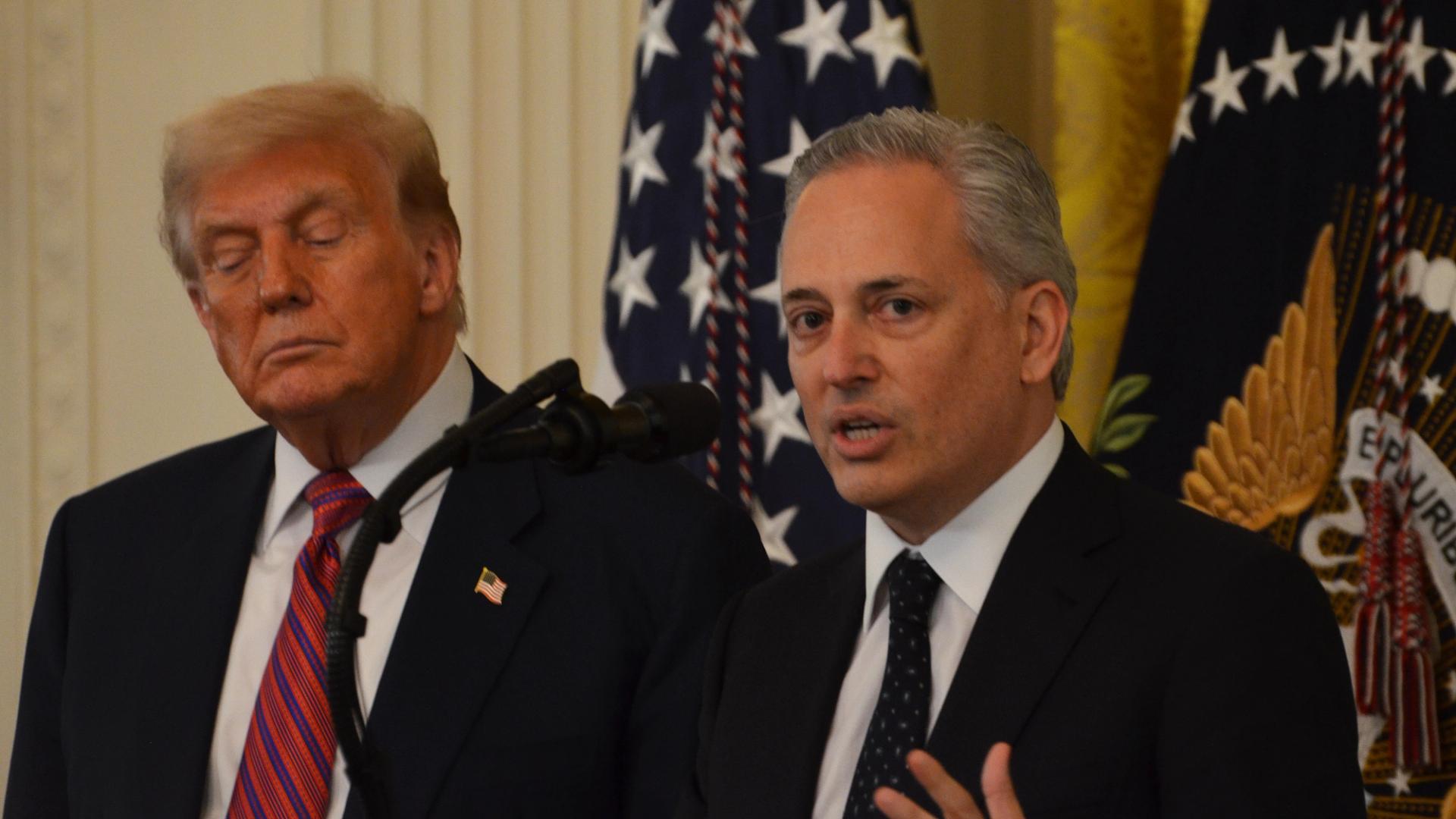
David Sacks, previously the White House AI and Crypto Czar, announced on Thursday that he will be stepping into the role of co-chair for the President’s Council of Advisors on Science and Technology (PCAST).
Sacks, who was appointed by former President Donald Trump to oversee crypto and AI initiatives, has played a significant role in advancing key legislation, including the GENIUS Act focused on stablecoins and ongoing efforts regarding the crypto market structure bill.
In a post on X (formerly Twitter), Sacks stated, “PCAST is the principal body of external advisors tasked with shaping science, technology, and innovation policy for the President and the White House.” He highlighted that the council will include thirteen prominent leaders in science and technology as its initial members.
Earlier on the same day, Sacks informed Bloomberg that his previous position as czar was classified as a “special government employee,” limiting his service to 130 working days. Concerns had been raised by Democrats in Congress regarding his tenure exceeding this limit last fall. However, he clarified that this restriction does not apply to his new role on the advisory committee.
During the Bloomberg interview, Sacks mentioned that PCAST will focus on making policy recommendations and conducting studies on various advanced technologies, including artificial intelligence, quantum computing, and nuclear power. He expressed his commitment to advancing the president’s AI framework, which was released just a week prior.
Notably, Sacks did not address cryptocurrency in his interview. The advisory committee will also include notable figures such as Marc Andreessen, Sergey Brin, Michael Dell, Fred Ehrsam, Jensen Huang, Lisa Su, and Mark Zuckerberg, with Michael Kratsios serving as co-chair alongside Sacks.
David Sacks has announced his transition from the role of White House AI and Crypto Czar to co-chair of the President’s Council of Advisors on Science and Technology. His new position will focus on shaping policies around advanced technologies, including AI and quantum computing.