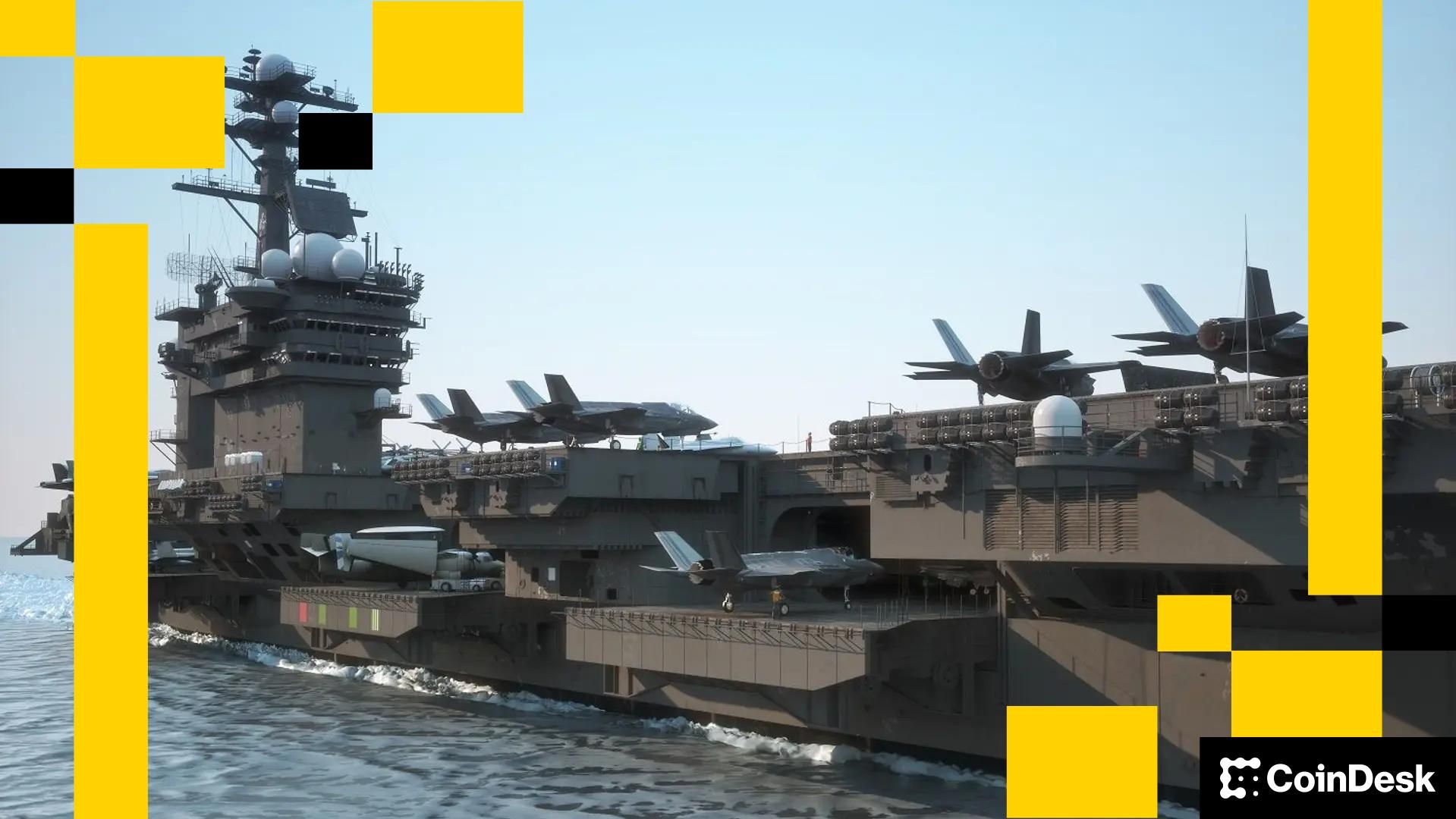
As the conflict between the U.S. and Iran escalates, Bitcoin has demonstrated notable resilience, recovering from initial losses to outperform many traditional assets. Following a significant sell-off at the onset of hostilities, Bitcoin’s price trajectory has shifted, indicating a potential recovery trend.
Bitcoin was the first major asset to react to the conflict when U.S. and Israeli forces launched attacks on Iran, resulting in an 8.5% drop on February 28. However, over the subsequent two weeks, Bitcoin has outperformed gold, the S&P 500, and Asian equities, with only oil and the U.S. dollar showing better performance, both of which are directly influenced by the ongoing conflict.
Investors appear to be reassessing Bitcoin’s status as a safe haven asset. Following each sell-off, the cryptocurrency has found a new support level that is consistently higher than the previous one. After the initial drop to $64,000, subsequent lows were recorded at $66,000, $68,000, $69,400, and most recently $70,596.
This pattern of higher lows suggests that Bitcoin is becoming a more attractive option for investors during times of geopolitical tension. The price ceiling has been established between $73,000 and $74,000, which Bitcoin has tested multiple times without breaking through. The market is now at a critical juncture, where either the support level will eventually break the ceiling, or a significant escalation in the conflict could disrupt this trend.
In contrast to Bitcoin’s performance, traditional markets have faced challenges. Oil prices have surged by over 40% since the conflict began, while the S&P 500 has seen declines. Gold has experienced volatility, and Asian equities suffered their worst week since March 2020.
Despite Bitcoin’s recent recovery, it is important to note that it remains sensitive to news events. Each headline still prompts market reactions, but the cryptocurrency’s ability to bounce back more quickly indicates a shift in market dynamics. Earlier this year, a liquidation event resulted in a substantial drop in Bitcoin’s value, but the current market appears to have stabilized, absorbing news without significant forced selling.
Recent comments from former President Donald Trump regarding Iran’s oil infrastructure have added to the geopolitical tension. Trump indicated that he would reconsider his approach if Iran continued to block the Strait of Hormuz, while Iran has warned that any attack on its energy infrastructure would provoke retaliatory measures against U.S. interests.
This evolving situation underscores Bitcoin’s unique position in the market. It is neither a traditional safe haven nor a purely risk asset; rather, it functions as a liquidity pool that responds quickly to shocks. As the conflict continues, traders are closely monitoring Bitcoin’s performance as an indicator of market sentiment.
In related news, MicroStrategy, a leading corporate holder of Bitcoin, has maintained a robust acquisition strategy, despite broader market challenges. The company, led by Executive Chairman Michael Saylor, holds 738,731 BTC and aims to reach a total of 1 million coins by the end of 2026, necessitating the purchase of an additional 261,269 BTC.
Bitcoin has shown resilience amid the ongoing U.S.-Iran conflict, recovering from initial losses and outperforming many traditional assets. This trend indicates a potential reassessment of Bitcoin's role in the market as a liquidity pool during geopolitical tensions.