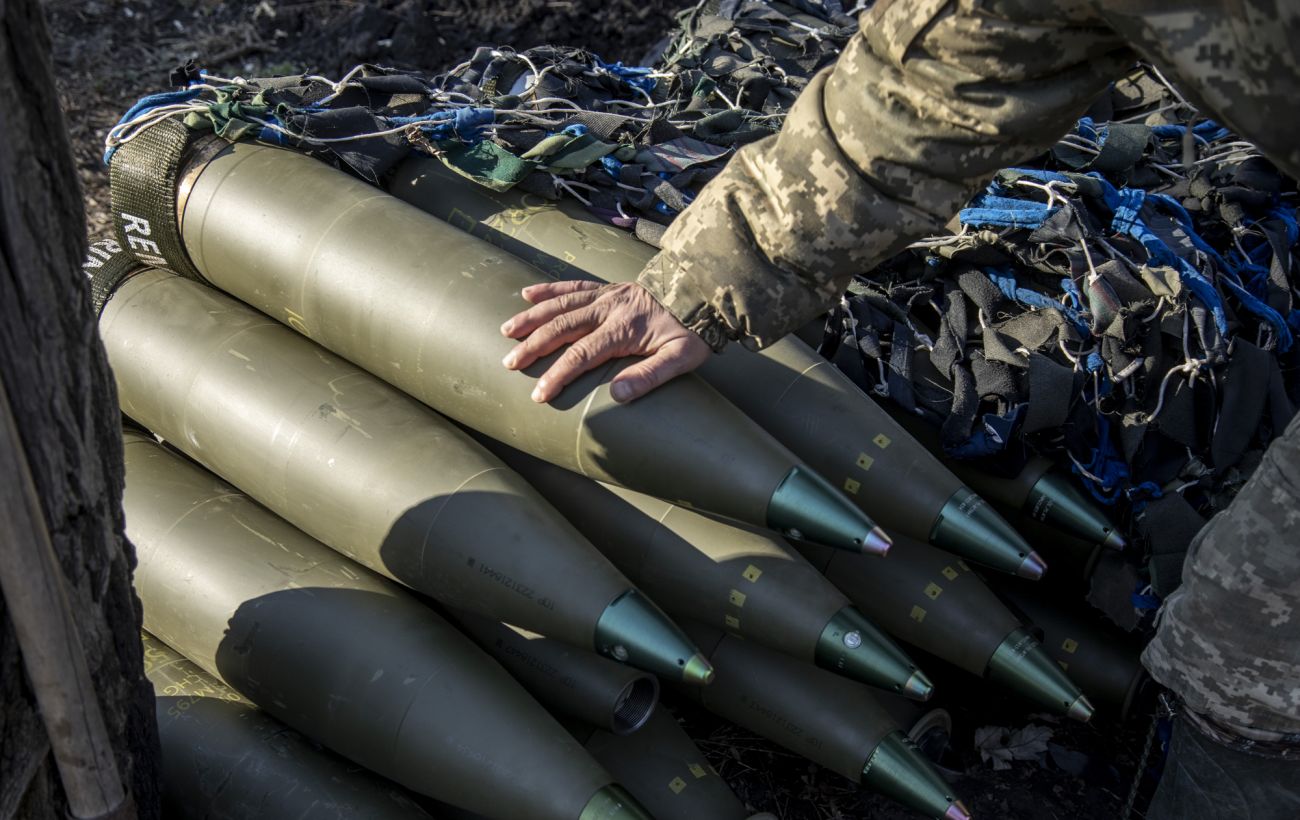
The Ukrainian Ministry of Defense has announced a significant change in its procurement process for military supplies, including drones, ground robotic complexes, and ammunition. The Defense Procurement Agency will now implement a diversification mechanism aimed at distributing orders among multiple suppliers.
Key Changes:
- Ending Monopolies: Orders for drones and weaponry will be allocated to various suppliers.
- Price Restrictions: Proposals with the highest prices will be disregarded.
- Mitigating Risks: The new approach aims to reduce military risks and the potential for supplier malfeasance.
- Contract Volume Determination: The volume of contracts will depend on the supplier’s ability to deliver on time.
- Oversight: Purchases will first be approved by a collegial body within the agency and then by the Ministry of Defense.
This shift is intended to decrease reliance on single suppliers, enhancing the reliability of critical supplies. The agency aims to achieve a better balance between cost and supplier capabilities.
According to officials, this diversification strategy is expected to minimize disruptions caused by unforeseen circumstances, such as damage to production lines, as well as potential unethical actions by manufacturers. Arsen Zhumadilov, the agency’s director, stated, “Diversifying contracts allows us to avoid dependence on a single producer and reduces the risk of delivery failures. We anticipated this decision; it is logical in wartime conditions.”
Practical Implications:
In practice, the new procurement strategy will mean that the Defense Procurement Agency will not select a single supplier for defense products. Instead, it will distribute orders among multiple participants when two or more acceptable proposals are available. The allocation of volumes will follow a specific formula.
- Proposals exceeding 30% above the lowest bid will not be considered.
- If multiple participants offer products from the same manufacturer, the lowest bid will be prioritized.
- The cost of raw materials will be included in the calculations when applicable.
- The actual capability of suppliers to fulfill contracts will be critically assessed.
- If a supplier cannot meet their quota, the remaining volume will be redistributed among others.
This approach is also expected to foster competition among manufacturers, as contract volumes will be shared based on each participant’s ability to deliver supplies. Zhumadilov remarked, “This method enhances competition among producers, as contract volumes are divided among several participants and depend on their delivery capabilities.”
Approval Process:
Decisions regarding the distribution of contracts will first be approved by the agency’s collegial body. Subsequently, draft state contracts will be submitted for approval to the Ministry of Defense. This method, combined with automated needs assessment based on real-time data from the front lines, is anticipated to significantly improve the quality of military supply.
The agency concluded, “We continue to strengthen our defense capabilities so that military personnel can focus on their primary mission.”
The Ukrainian Ministry of Defense has restructured its procurement strategy to enhance reliability and competition among suppliers for military supplies. This new approach aims to minimize risks associated with single-source dependencies and improve overall supply chain efficiency.