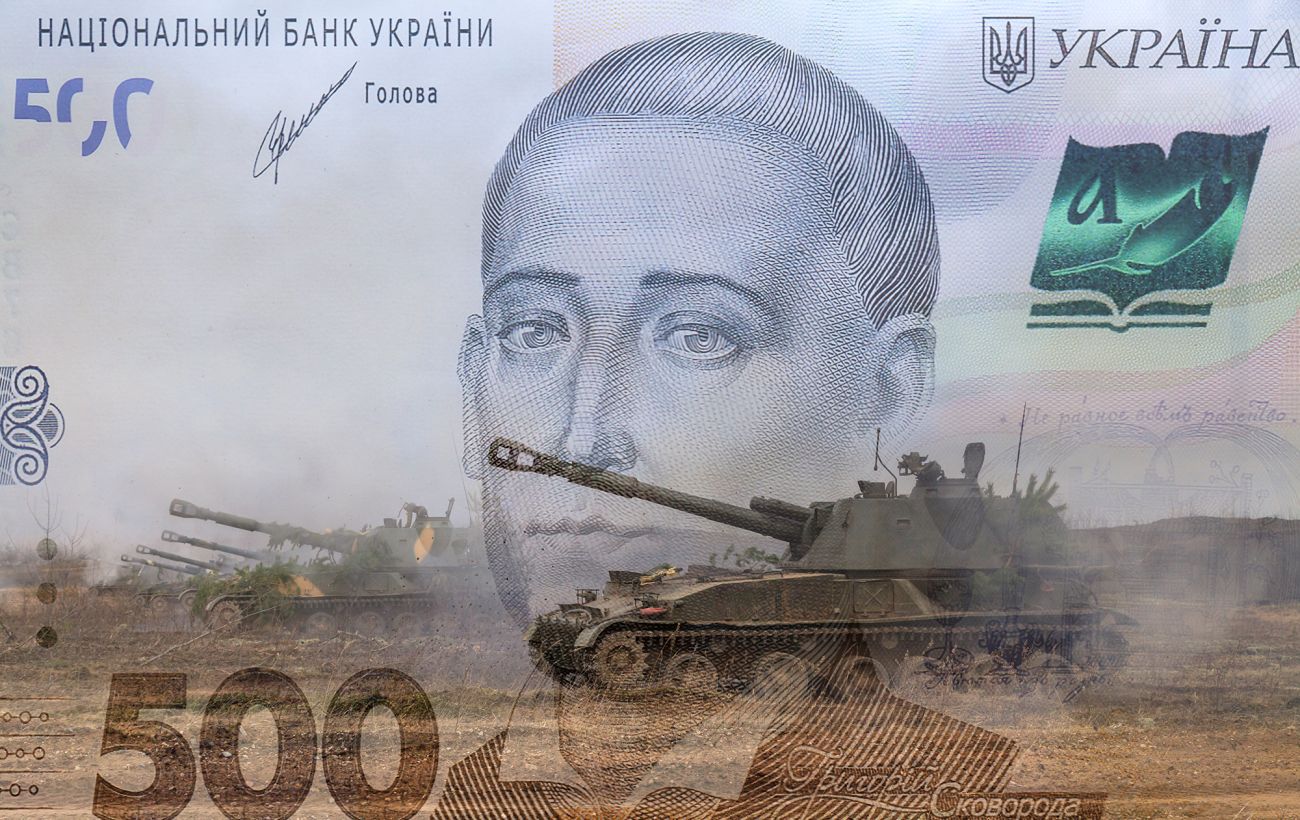
As Ukraine grapples with the ongoing war, discussions about the nation’s future often take on an optimistic tone, despite the harsh realities of continuous loss of life and destruction. The government is under pressure to make tough decisions and embrace a more militarized economy.
Illusions of Peace: Many in Ukraine seem to hold onto the hope of a swift post-war economic revival, while the reality reveals a budget strained by conflict and a population enduring significant hardships.
Systemic Issues: The entrenched nepotism and bureaucratic inefficiencies hinder the establishment of a truly free society, and the nation’s governance structure is ill-equipped to foster technological advancements.
Need for Technological Advancement: To achieve significant progress, Ukraine must cultivate a different social culture that prioritizes adherence to laws and contracts, similar to practices in Scandinavian countries.
Corruption remains a major barrier to technological growth.
Deindustrialization Setbacks: Ukraine has suffered a significant decline in its industrial capacity since the early 1990s, failing to replace its lost industrial base with anything of equal value.
Reliance on Services Insufficient: The economy cannot rely solely on the service sector or agricultural exports; a modern manufacturing industry is essential for sustainable economic health.
Shift in Economic Paradigms: The era of neoliberal policies and deregulation is fading, giving way to a new focus on militarization of industries and robust protection of national interests.
Survival Imperative: For Ukraine, state recognition and financial backing of key sectors are crucial for survival in the current climate.
Defense Industry as a Growth Engine: Currently, approximately 45% of Ukraine’s defense expenditures are funded by foreign aid, underscoring the need for a shift towards industrial military development.
Focus on Realistic Projects: Instead of attempting to produce everything at once, Ukraine should concentrate on achievable projects, gradually increasing complexity, akin to Israel’s approach.
Investment in defense technologies is vital, overshadowing agricultural initiatives.
Geopolitical Challenges: Ukraine’s economy has historically been viewed as unattractive for investment, often categorized within a speculative zone.
Attracting Foreign Investment: To entice major corporations like Volkswagen and Bayer, Ukraine must align its regulations with EU standards and create compelling conditions for investors.
Debt Management: Although Ukraine’s national debt has reached 98.4% of its GDP, the focus is shifting towards optimizing the use of these funds for national defense.
Risk Mitigation: Favorable terms from EU programs and repayment of G7 loans using frozen Russian assets have alleviated some debt pressures.
Banking Sector Challenges: Instead of extending credit to businesses, banks are investing heavily in National Bank deposit certificates, which has limited growth in lending.
Post-War Economic Risks: A reduction in external funding could lead to a shortage of domestic credit and currency, potentially triggering inflation and devaluation.
The National Bank must establish strategic priorities for the future.
Eurointegration Realities: Currently, Ukraine struggles to compete with the EU in sectors like aerospace and robotics, making localization of European production a more attainable goal.
End of Leniency: After the conflict, European partners are unlikely to overlook unmet obligations, shifting relations to a more pragmatic footing.
Demographic Crisis: Nearly six million individuals have left Ukraine, with estimates suggesting that less than half plan to return, creating a significant skills gap.
Potential for Return: The situation isn’t irreversible; improving living and working conditions post-war could encourage some expatriates to come back.
Uncertain Forecasts: Making accurate long-term predictions during wartime is fraught with challenges.
Major Risks Ahead: Issues such as corruption, lack of transparency in procurement, and internal scandals could undermine public trust and international partnerships, raising questions about Ukraine’s commitment to European standards.
Ukraine is facing significant economic challenges as it navigates the ongoing conflict, with a pressing need for a militarized economy and realistic development strategies. The country must address systemic issues and corruption to attract foreign investment and sustain its defense capabilities.