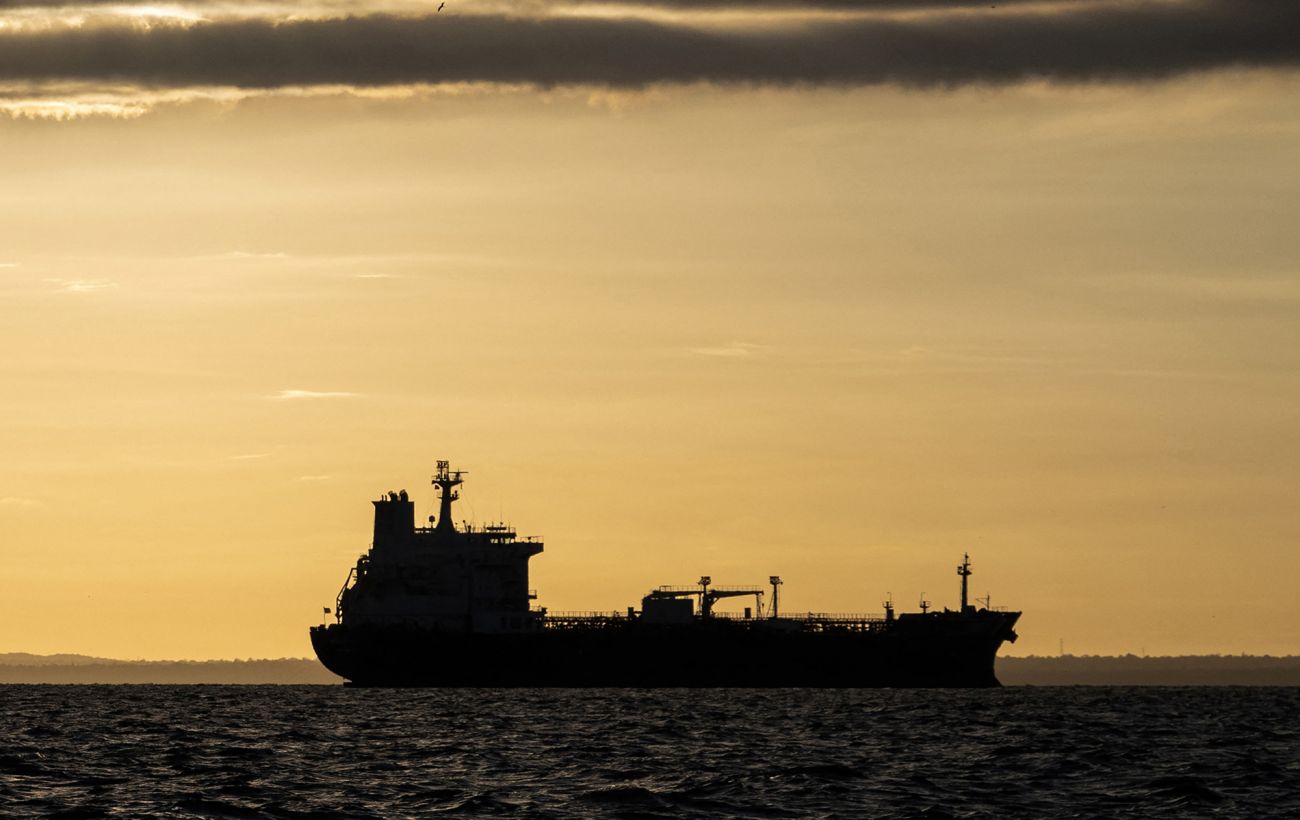
Shipping activity in the Strait of Hormuz persists, despite Iran’s declaration of a blockade. Several countries have reportedly received permission from Iran for their flagged vessels to exit the strait.
A significant recent event was the passage of the tanker P. Aliki, which is transporting approximately 650,000 barrels of Saudi crude oil to Pakistan. The vessel navigated a northern route between the Iranian islands of Larak and Qeshm.
In addition, Iran has authorized the departure of seven Malaysian tankers that had been stranded in the Persian Gulf for an extended period. Unexpectedly, Tehran also agreed to allow 20 vessels flying the Pakistani flag to transit through the strait.
The current volume of commercial ships passing through Hormuz is only slightly above pre-war levels. However, monitoring is complicated due to frequent disruptions in Automatic Identification System (AIS) signals.
Moreover, the situation is being exploited by Iran’s so-called ‘shadow fleet.’ Tankers linked to Iran are reportedly turning off their transponders. Estimates suggest that the average flow of this ‘invisible’ oil in March was around 1.6 million barrels per day.
Additionally, the tanker Tawanna has been recorded exiting the Gulf. This vessel is under sanctions from the U.S., U.K., and EU due to its involvement in Russian oil trade, having loaded Iranian crude on the island of Kharg in March.
Despite Iran's claims of a blockade in the Strait of Hormuz, shipping activity continues, with several vessels receiving clearance to navigate through. The situation highlights the complexities of maritime trade in the region amidst ongoing sanctions and disruptions.