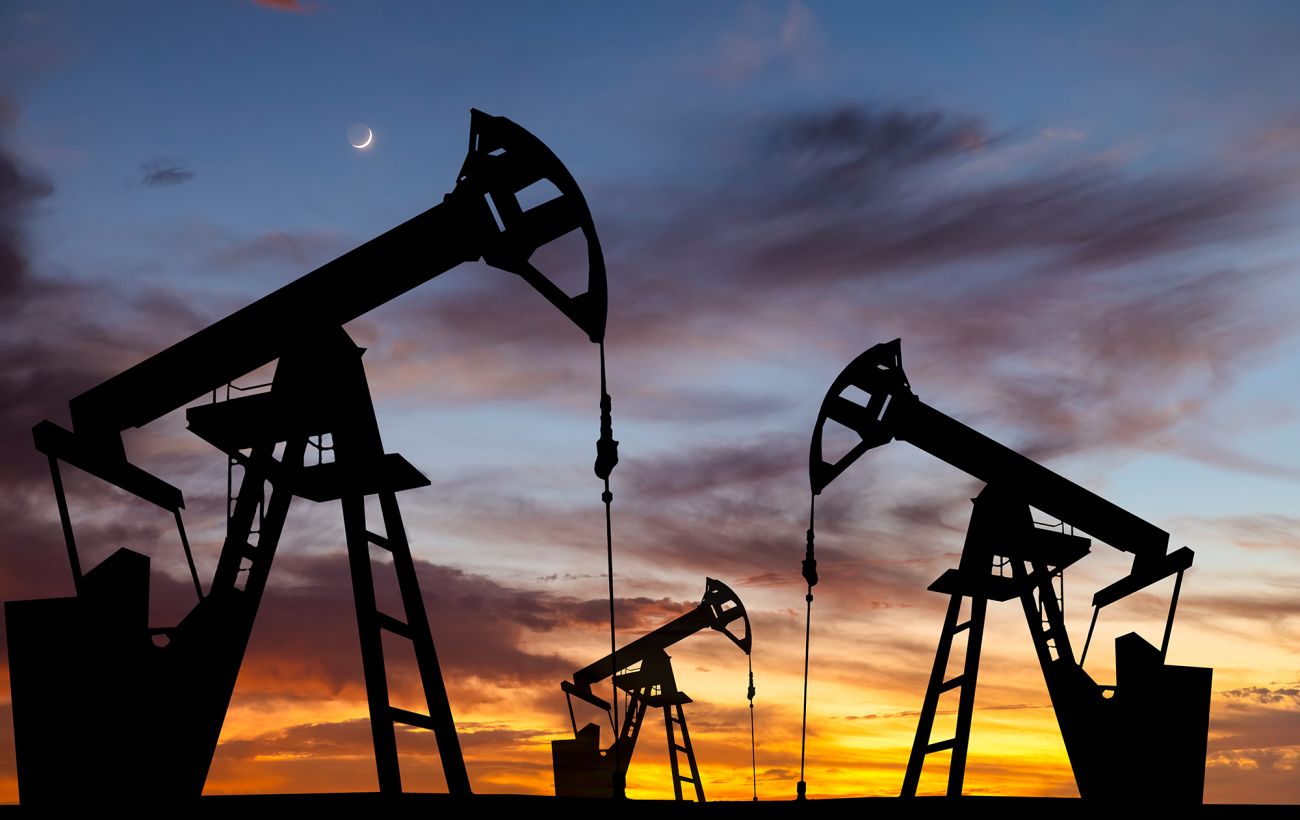
The ongoing conflict in the Middle East has led to significant fluctuations in global markets, with oil prices surpassing $100 per barrel for the first time since Russia’s full-scale invasion of Ukraine in 2022.
As fighting escalates in Iran, investors are increasingly concerned about potential long-term disruptions to oil supply from the region. Consequently, U.S. oil futures jumped by 14.7%.
Brent crude futures, a global benchmark for oil prices, rose by 12.63%, reaching $104 per barrel as of 6:06 PM Eastern Time.
Simultaneously, the surge in oil prices has exerted pressure on stock markets. Futures for the Dow dropped by 851.6 points, roughly 2% lower.
The S&P 500 and tech-heavy Nasdaq also experienced declines, falling by 1.73% and 1.65%, respectively. Investors fear that disruptions in the energy market could exacerbate inflationary pressures in the United States.
The situation in the oil market has already impacted fuel prices in the U.S. Following the initial strikes on Iran on February 28, the American Automobile Association reported that the average price of gasoline reached $3.45 per gallon on Sunday, representing a 16% increase from the previous week.
In response to the market turmoil, the Trump administration sought to reassure investors. Officials stated that the military operations against Iran conducted by the U.S. and Israel should not lead to long-term fuel supply issues.
Additionally, U.S. Treasury Secretary Scott Bessent mentioned that Washington is considering easing restrictions on Russian oil as a measure to stabilize the global oil market and address potential shortages arising from the conflict in Iran.
However, U.S. Energy Secretary Chris Wright clarified that the United States does not intend to alter its sanctions policy toward Russia. He emphasized that any current relaxations regarding oil supplies would be temporary and would not signify a withdrawal from pressure on Moscow.
The conflict in the Middle East has caused oil prices to soar above $100 per barrel, impacting global markets and leading to declines in U.S. stock indices. The situation has raised concerns about inflation and fuel supply disruptions, prompting responses from the U.S. administration.