The International Energy Agency (IEA) has urged the Group of Seven (G7) nations to explore the possibility of jointly utilizing strategic oil reserves in response to soaring energy prices linked to ongoing tensions in the Middle East.
During discussions with G7 representatives, the IEA emphasized the need for coordinated action to stabilize energy markets. IEA spokesperson Katayama stated, “The IEA has called for each country to release oil reserves in a coordinated manner.” He noted that G7 countries agreed to closely monitor energy market developments and take additional measures as necessary.
Katayama further remarked, “The G7 nations have committed to continue vigilant observation of the energy market situation and to implement necessary actions to support global energy supply, including the release of oil reserves.” The meeting also included representatives from the Organisation for Economic Co-operation and Development (OECD), the World Bank, and the International Monetary Fund (IMF).
In the near future, G7 countries plan to hold a separate meeting of energy ministers to discuss further steps.
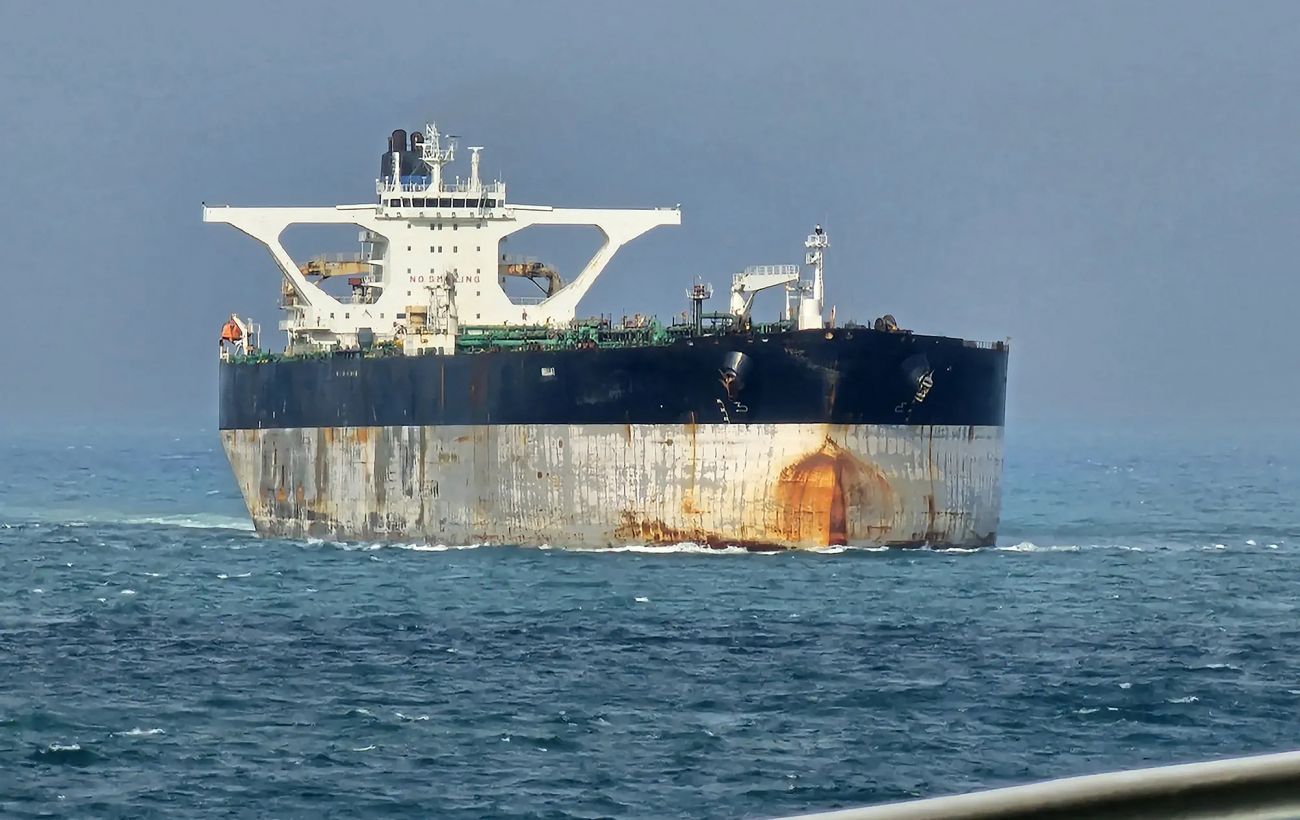
The ongoing conflict in the Middle East has triggered a crisis in the global energy market, primarily due to a significant reduction in shipping through the Strait of Hormuz. Iran’s threats have effectively blocked vessel movement in this region, raising concerns over potential disruptions in global energy supplies.
As a result, oil prices have surged, surpassing $100 per barrel. This increase is already being felt in countries like Ukraine, where fuel prices at gas stations have been gradually rising in response to the escalating costs of oil on international markets.
In contrast, U.S. President Donald Trump stated that the short-term rise in oil prices due to heightened tensions with Iran is justified. He asserted that once the nuclear threat from Tehran is addressed, energy markets will stabilize quickly, and prices will return to previous levels.
The IEA has called on G7 nations to consider a coordinated release of oil reserves to address rising energy prices linked to Middle Eastern conflicts. This response comes amid concerns over supply disruptions and escalating oil prices worldwide.