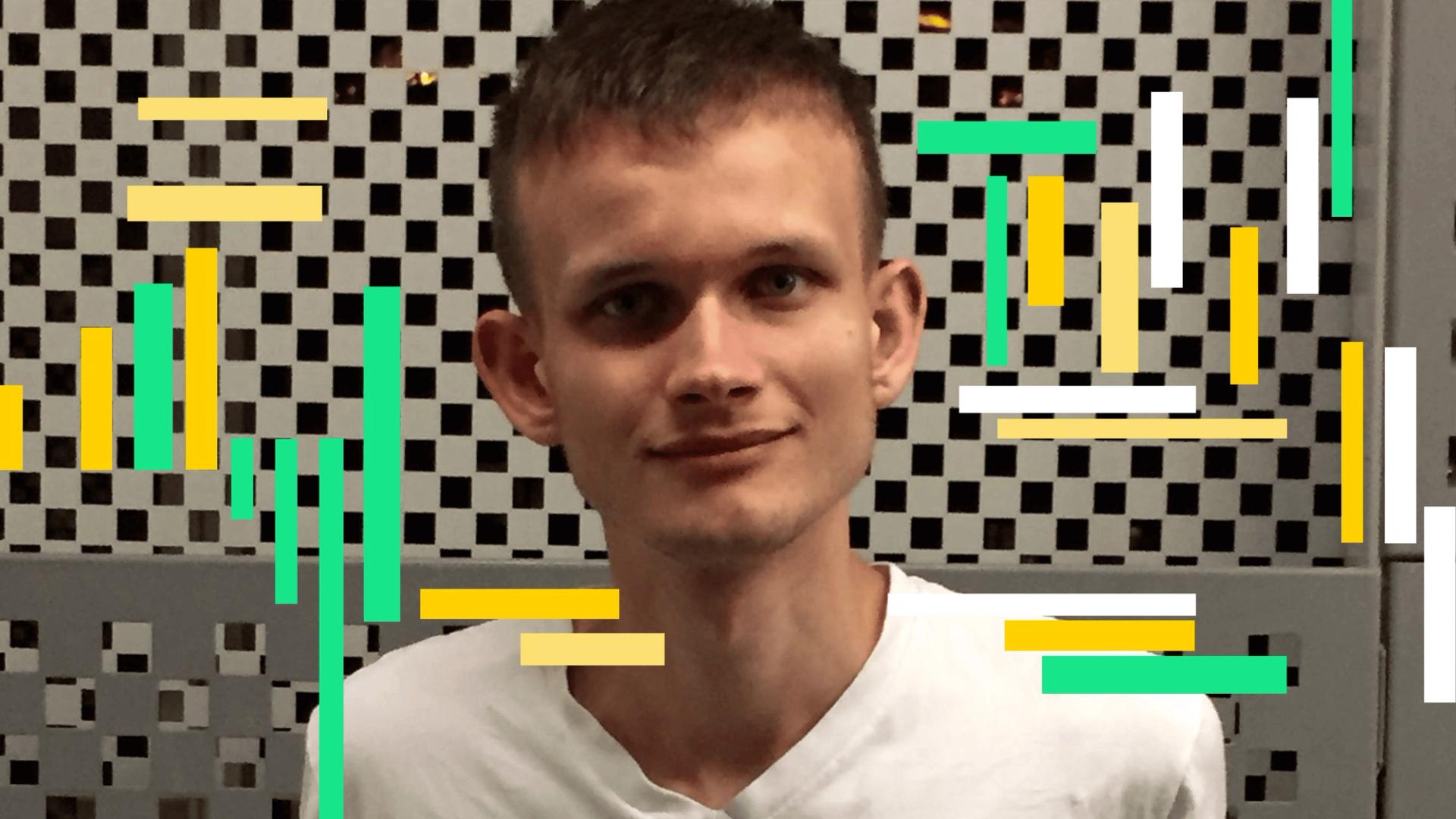
“PeerDAS is already live on Ethereum’s mainnet, while zkEVMs are at an advanced stage, focusing on safety and scalability.”, — write: www.coindesk.com
In a post on X, Buterin argued that the combination could shift Ethereum into “a fundamentally new and more powerful kind of decentralized network,” because it targets the core tradeoff that has historically limited blockchains where a system can be decentralized and have consensus, but bandwidth and throughput remain low.
Loading…
He framed the problem through two internet-era models. Systems like BitTorrent can move enormous amounts of data in a decentralized way, but they do not need consensus. Bitcoin has strong decentralization and consensus, but it remains low-bandwidth because every node effectively re-checks the same work instead of dividing it up.
Ethereum’s next phase, he said, is about getting all three at once.
The first leg is already live. PeerDAS (data availability sampling) is now on the Ethereum mainnet, letting nodes verify that data is available without downloading the full dataset.
PeerDAS is a prototype for Data Availability Sampling (DAS), which is essential for Ethereum’s scaling via sharding. It allows light clients to check if all shard data has been published by sampling small portions, greatly enhancing scalability while maintaining decentralization and security.
The second leg, zkEVMs, is now “production-quality on performance,” Buterin said, meaning the remaining work is safety and proving robustness at scale.
Buterin described this as a practical step toward solving the so-called “blockchain trilemma,” not as a theory, but through “live running code,” adding that zkEVM nodes could start appearing in limited form in 2026.
A longer-term goal is “distributed block building,” Buterin added, where no single party assembles the full block in one place, reducing censorship risks and improving geographic fairness.
The message is that Ethereum’s scaling roadmap is increasingly about splitting verification work across the network, rather than asking every node to replicate everything.
 KuCoin captured a record share of centralized exchange volume in 2025, with more than $1.25tn traded as its volumes grew faster than the broader crypto market.
- KuCoin recorded over $1.25 trillion in total trading volume in 2025equivalent to an average of roughly $114 billion per monthmarking its strongest year on record.
- This performance translated into an all-time high share of centralized exchange volumeas KuCoin’s activity expanded faster than aggregate CEX volumeswhich slowed during periods of lower market volatility.
- Spot and derivatives volumes were evenly spliteach exceeding $500 billion for the year, signaling broad-based usage rather than reliance on a single product line.
- Altcoins accounted for the majority of trading activityreinforcing KuCoin’s role as a primary liquidity venue beyond BTC and ETH at a time when majors saw more muted turnover.
- Even as overall crypto volumes softened mid-year, KuCoin maintained elevated baseline activityindicating structurally higher user engagement rather than short-lived volume spikes.
View Full Report
 High concentration in major wallets, particularly for shiba inu, contributed to potential volatility in the market.
- Memecoins surged in early 2026, with dog-themed tokens like dogecoin and shiba inu leading the gains.
- The memecoin market’s dominance is rising after hitting historical lows, indicating renewed speculative interest.
- High concentration in major wallets, particularly for shiba inu, contributed to potential volatility in the market.
Read full story