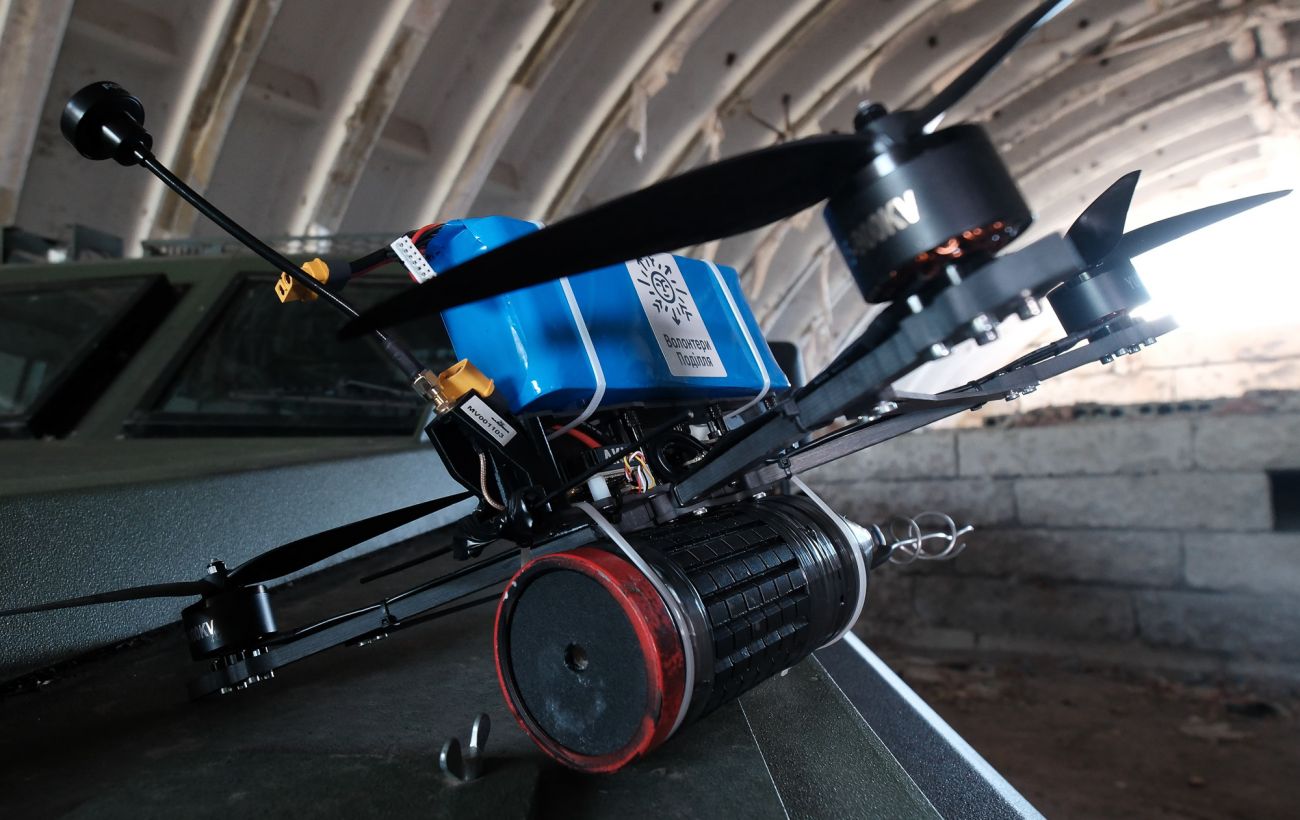
A Ukrainian technology firm, BlueBird Tech, has introduced a new system designed to intercept small drones, particularly First-Person View (FPV) models, at short distances. Named Chipa, this network-based installation aims to neutralize the threat posed by these increasingly common aerial devices.
The Chipa system operates by deploying a specialized net that unfolds in mid-air, entangling the drone’s propellers. This mechanism causes the drone to lose lift and descend before it can execute an attack. The net measures approximately three by three meters and is engineered to capture approaching drones effectively.
According to the developers, the effective interception range is around 25 meters. At this distance, an operator can aim the device and launch the net to stop the drone before it reaches its target.
Quick deployment is a key feature of the Chipa system. Operators can prepare the device for use in just a few seconds by removing a safety pin, aiming it at the target, and pressing the trigger. This rapid response is crucial in scenarios where the drone is already within the operator’s line of sight.
Chipa offers several advantages over traditional methods of drone interception. Unlike firearms or electronic warfare systems, it does not rely on radio signals and does not require jamming of control channels. The system operates mechanically, avoiding the electronic emissions that could reveal the operator’s position.
Furthermore, this net-based interception method minimizes the risk of hazardous debris. When a drone is shot down with firearms, fragments can scatter dangerously; however, capturing it with a net allows for a more controlled neutralization.
BlueBird Tech describes Chipa as a “last line of defense” against drones, intended for situations where FPV drones have already bypassed other protective measures and are approaching military personnel or equipment.
As FPV drones have become a significant threat in the ongoing conflict between Ukraine and Russia, the need for effective close-range interception solutions has grown. Initially designed for racing and recreational use, these drones have been adapted for delivering explosive payloads.
Their low cost, high maneuverability, and ability to fly at low altitudes make them challenging targets for conventional air defense systems. Additionally, drones can approach from unexpected angles and infiltrate confined spaces, further complicating defensive efforts.
BlueBird Tech has launched Chipa, a drone interception system that uses a net to neutralize small drones at close range. This innovative approach addresses the growing threat of FPV drones in the Ukraine-Russia conflict, offering a quick and efficient defense mechanism.