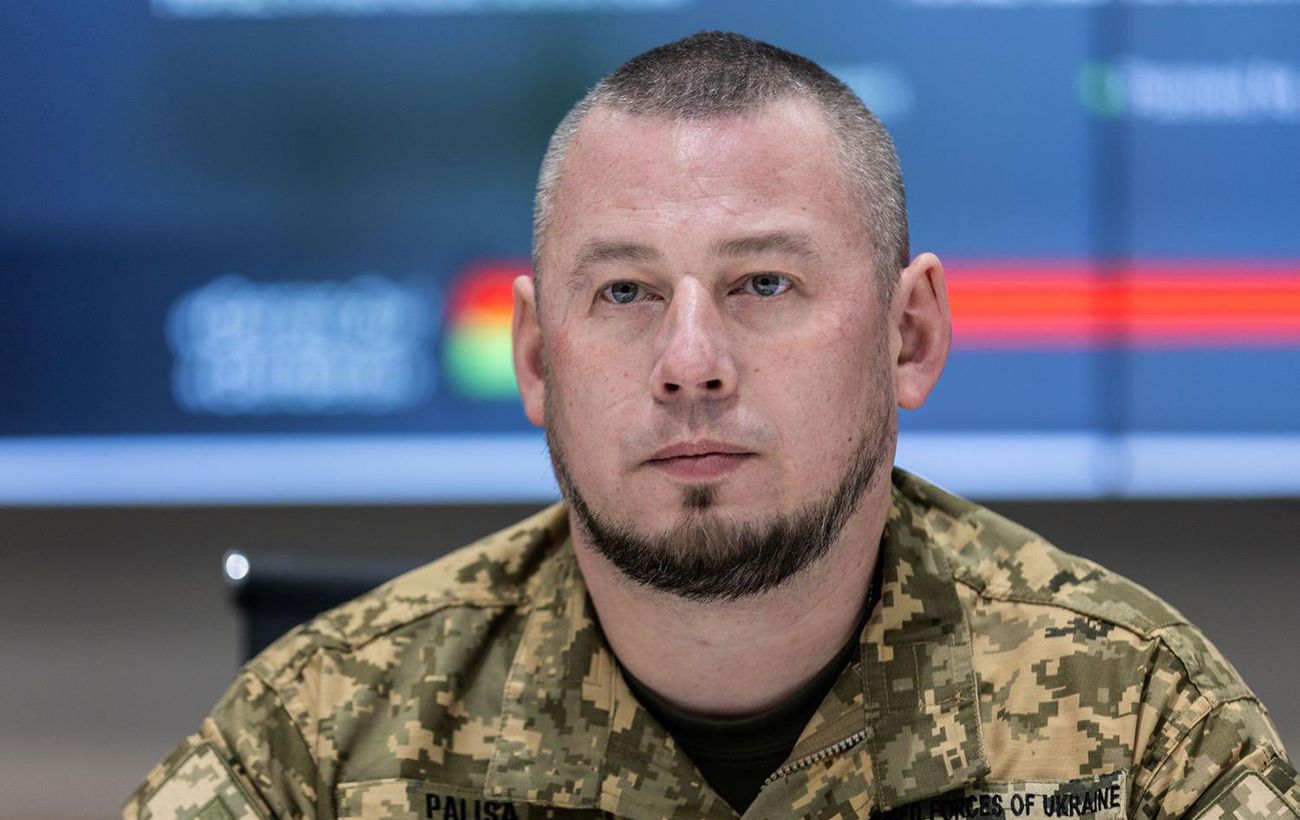
The Ukrainian military’s current strategies and the Russian Federation’s ambitions for the coming years were discussed by Pavlo Palisa, Deputy Head of the Presidential Office, in an interview with RBC-Ukraine. Palisa emphasized that despite Russia’s ambitious plans, it lacks the necessary resources to implement them effectively.
Key Points:
- Russian Focus: This year, Russian efforts are primarily concentrated in the Donbas region. Should conditions allow, they may also increase their activities along the Dnipropetrovsk and Zaporizhzhia borders.
- Long-term Goals: Russia aims to establish a buffer zone in the Kharkiv, Sumy, Chernihiv, and Vinnytsia regions, while also attempting to capture Zaporizhzhia, Kherson, Mykolaiv, and Odesa.
- Cost of Advancement: According to Palisa, the Russian military incurs twice the casualties for each square kilometer of occupied territory in Donetsk compared to last year.
- Increased Drone Usage: Ukraine is utilizing 30% more strike drones than its adversary.
- Mobilization Age: There are currently no plans to lower the mobilization age below 25 or to change exit regulations for men aged 18-23.
- Air Defense Needs: Ukraine faces a shortage of PAC-3 missiles for its Patriot systems, though commitments from partners regarding air defense supplies are mostly being met.
Palisa, a career military officer who has served in the Armed Forces of Ukraine since 2002, highlighted the current state of the battlefield and the ongoing adjustments in military strategy. He noted that Russia’s plans for a spring-summer campaign are fluid and subject to change.
Regarding the potential for a shift in the war’s dynamics, Palisa stated that there are no observable conditions that would allow either side to achieve a decisive advantage in the near term. He pointed out that while Russia has ambitious goals, it lacks the operational capacity to realize them.
Palisa elaborated on the Russian military’s intentions, indicating that their focus remains on the Donbas, with possible expansions into southern Ukraine, including the Zaporizhzhia region. He also mentioned that Russia has plans to create a buffer zone in Vinnytsia, a first for their strategic objectives.
In terms of casualties, Palisa provided statistics indicating that Russian losses have significantly increased, with an average of 316 casualties for each square kilometer occupied in Donetsk. He contrasted this with previous years, noting a marked increase in their operational losses.
Palisa also discussed the evolving nature of drone warfare, stating that Ukraine currently operates a greater number of strike drones compared to Russia, which has contributed to its operational successes.
On the topic of Russian missile campaigns targeting Ukraine’s energy infrastructure, Palisa noted a shift in Russian tactics, suggesting they may begin to target other critical infrastructure, including water supply and transportation systems. He highlighted that recent attacks have been timed to maximize civilian impact and disrupt business operations.
Regarding the potential for Russian aggression towards NATO countries, Palisa acknowledged intelligence reports indicating the deployment of offensive weaponry closer to NATO borders, particularly in Belarus. However, he emphasized that the feasibility of such an attack would depend on Russia’s available resources and the unity of Western nations.
Palisa concluded by addressing the ongoing mobilization efforts within Russia, suggesting that while there is a continuous recruitment of specialists, a large-scale mobilization akin to that of 2022 is not currently anticipated. He remarked on the necessity for a unifying narrative within Russian society to justify such actions, which he believes is currently lacking.
Pavlo Palisa, Deputy Head of the Presidential Office, discusses Ukraine's military strategies and Russian ambitions, emphasizing the challenges facing the Russian military. He highlights increased drone usage by Ukraine and the potential for shifts in Russian targeting strategies.
Source: RBC-Ukraine