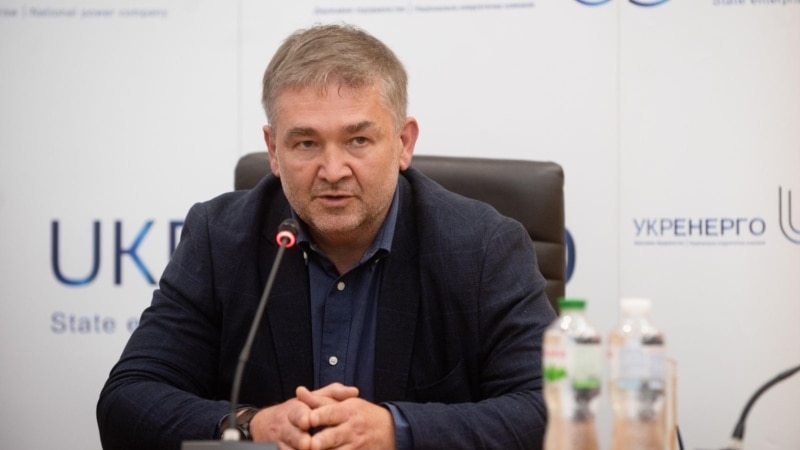
Vitaliy Zaychenko, the head of Ukraine’s National Energy Company (NEC) Ukrenergo, announced that electricity consumption in Ukraine will not face restrictions this summer, provided there are no Russian attacks on energy infrastructure and that power generation is restored as planned. His remarks were made during an interview published on April 9.
Zaychenko explained that during July and August, the output from nuclear power plants typically reaches its lowest levels. These facilities generate the most electricity in winter, while summer months usually see a dip in production. He noted that electricity demand tends to rise during the hottest months, which could lead to shortages unless the summer is relatively cool. “In the best-case scenario, there will be no restrictions on electricity consumption, assuming generation is restored on schedule, maintenance of nuclear plants proceeds as planned, and other generation facilities are not shelled,” he stated.
However, Zaychenko cautioned that the situation in frontline regions remains precarious. Repairing damaged equipment in these areas poses significant safety challenges due to the ongoing threat of attacks. He mentioned that air raid alerts could last for up to 48 hours, complicating recovery efforts. “We are prepared for any eventuality, and we have calculated various scenarios,” he added.
Since the onset of Russia’s full-scale invasion in February 2022, attacks on Ukraine’s energy infrastructure have intensified. Following the onset of autumn in 2025, Russian forces increased their bombardments on Ukrainian energy facilities. This assault has created a gap between generation capacity and consumption needs, leading to prolonged power outages in many regions. Although blackouts were common, the arrival of spring and the increased output from solar power plants have alleviated some of these restrictions.
On March 24, Ukrainian President Volodymyr Zelensky stated that Russian forces continue their operations aimed at crippling Ukraine’s energy system. The Security Service of Ukraine (SBU) has classified these attacks as crimes against humanity, reporting at least 256 aerial assaults on energy and heating infrastructure since the beginning of the current heating season.
In early February 2026, Russian Foreign Minister Sergey Lavrov claimed that Russia had not initiated attacks on civilian targets, asserting that Ukraine was the first to strike its energy facilities. On April 6, President Zelensky indicated that Ukraine would refrain from targeting Russian oil refining and export infrastructure if Russia ceased its attacks on Ukrainian energy assets. However, the Russian side has not supported any ceasefire proposals.
Ukraine's energy consumption is projected to remain unrestricted this summer, contingent on the absence of Russian attacks and the successful restoration of power generation. The ongoing conflict has severely impacted the energy infrastructure, prompting concerns about potential shortages during peak demand months.