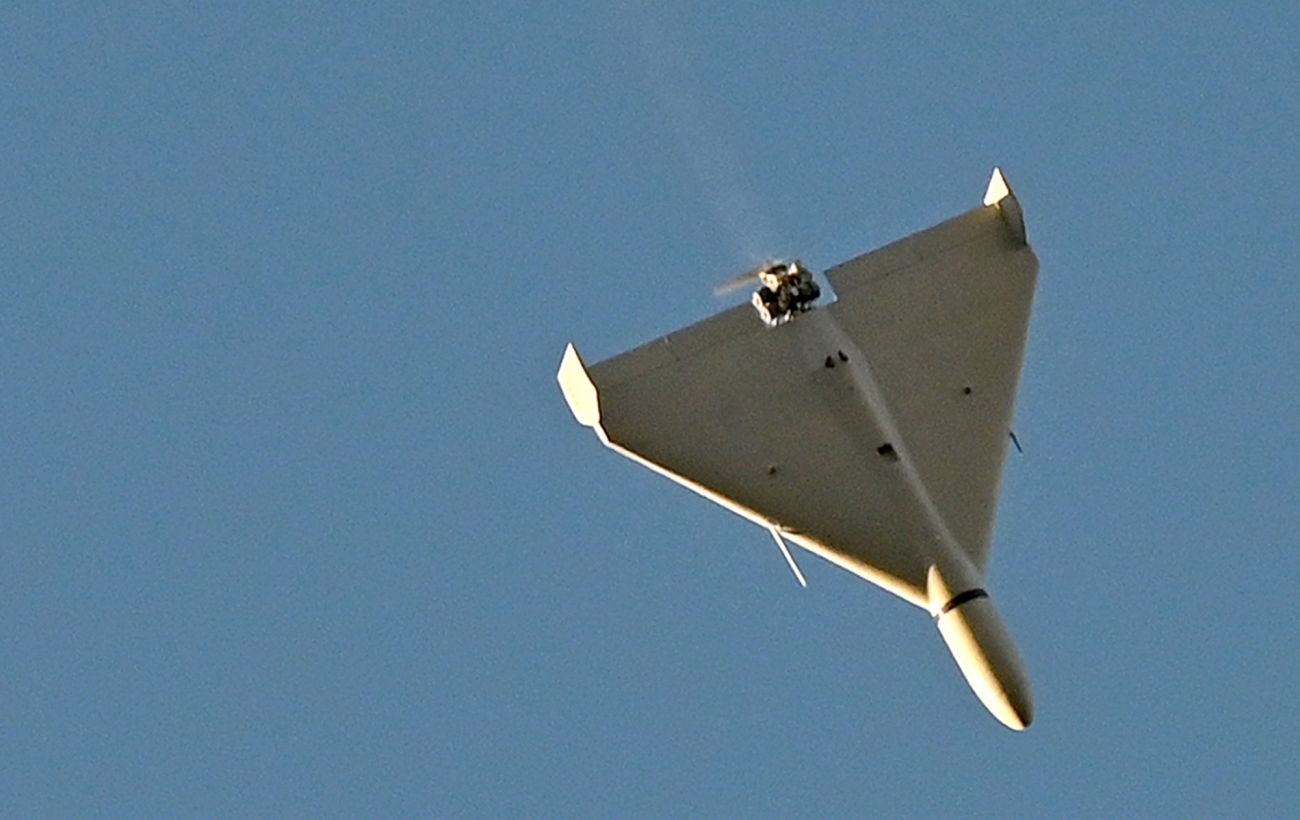
Ukraine is significantly increasing its deployment of interceptor drones to counteract Russian unmanned aerial vehicles (UAVs). Currently, these drones are successfully neutralizing approximately one in every three Russian strike drones.
According to Air Force spokesperson Yurii Ihnat, Russian drones pose a primary challenge to Ukraine’s air defense systems. This includes not only the more sophisticated Shahed drones but also cheaper alternatives like Gerberi and Italmas, which Russia deploys in large numbers to exhaust Ukraine’s defense capabilities.
“The use of interceptor drones is indeed scaling up. Today, one in three enemy drones is intercepted, which is a positive development,” Ihnat stated.
Despite the progress made with interceptor drones, Ukraine’s air defense strategy remains multi-layered. The Ukrainian Armed Forces (UAF) prioritize the establishment of an echeloned air defense system that integrates various combat methods:
- mobile fire groups and small air defense systems;
- manned aviation;
- low-cost surface-to-air missiles.
“An echeloned air defense system, scaling up interceptors, and enhancing the aviation component are our main priorities in protecting our skies,” Ihnat concluded.
In December of last year, former Minister of Defense Oleksii Reznikov announced that Ukrainian forces receive approximately 950 interceptor drones daily to combat enemy strike UAVs. These supplies are coordinated by the Ministry of Defense’s Defense Procurement Agency, which has contracted over ten manufacturers. The procurement of anti-drone systems has been designated a key priority through 2026.
Ukraine is enhancing its air defense capabilities by increasing the use of interceptor drones, successfully neutralizing a significant portion of Russian UAVs. The strategy involves a multi-layered approach to air defense, integrating various combat methods and prioritizing the procurement of anti-drone systems.