The UK government has granted its navy the authority to stop and inspect Russian oil tankers operating in British waters. This decision follows the potential for criminal charges against the owners, operators, and crews of such vessels for violating UK sanctions legislation.
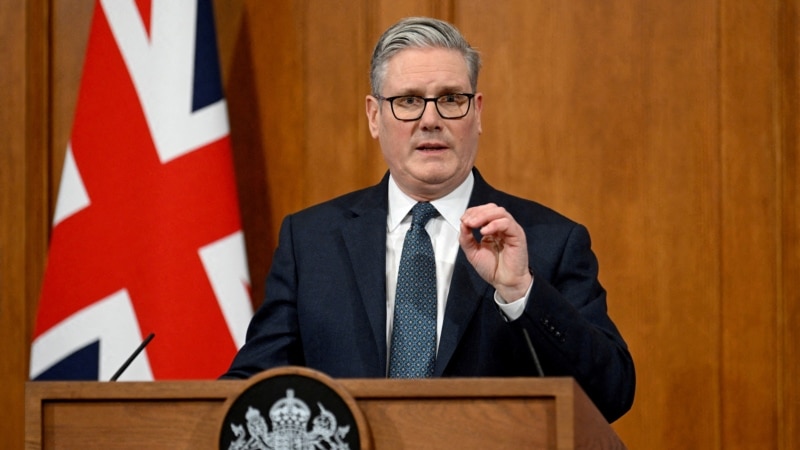
Prime Minister Keir Starmer emphasized the necessity of this action, stating, “Putin is rubbing his hands together over the war in the Middle East, believing that rising oil prices will fill his pockets. That is why we are intensifying our efforts against his ‘shadow fleet,’ not only to protect Britain but also to deprive Putin’s military machine of the illicit profits that finance his brutal campaign in Ukraine.”
According to the Prime Minister’s office, several of the UK’s allies have recently conducted operations against suspected vessels of the ‘shadow fleet’ in the Baltic Sea, effectively blocking key maritime routes used by Russia to circumvent sanctions. The UK aims to bolster these efforts in collaboration with its partners.
On January 22, 2026, Ukrainian President Volodymyr Zelensky addressed an economic forum in Davos, criticizing European nations for their inaction and urging them to detain Russian ships transporting oil in violation of sanctions.
On the same day, French President Emmanuel Macron announced that French naval forces had intercepted an oil tanker in the Mediterranean Sea that was en route from Russia. Earlier, on March 20, France detained another tanker from the Russian ‘shadow fleet’ in the Mediterranean, identified as the Deyna, which had departed from Murmansk and was heading to Port Said, Egypt, under the flag of Mozambique.
The UK has authorized its navy to intercept Russian oil tankers in British waters, aiming to enforce sanctions and disrupt illicit oil transport. This initiative aligns with actions taken by European allies to curb Russia's circumvention of sanctions amid ongoing geopolitical tensions.