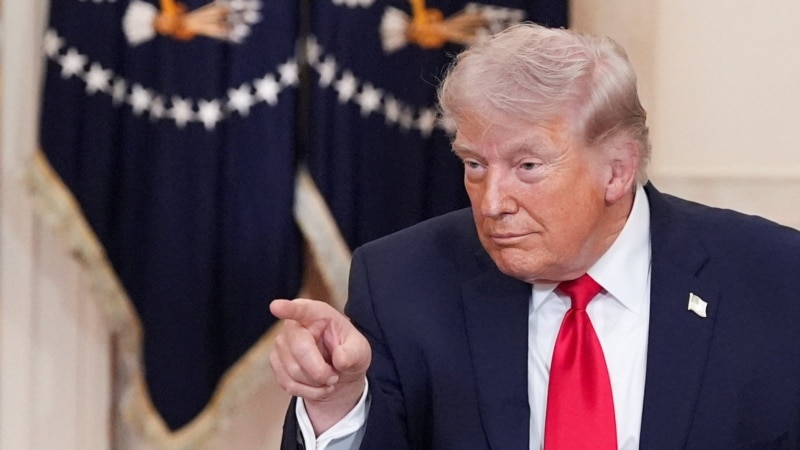
US President Donald Trump has made a pointed statement on social media platform Truth Social, threatening Iran with potential strikes on key infrastructure unless it opens the Strait of Hormuz. He indicated that April 7 would be marked as a significant day for Iranian energy and transport facilities.
In his post, Trump warned Tehran to “open the damn strait, you crazy bastards, or you will live in hell — just watch!” He specified that Iran has until 8 PM Eastern Time on Tuesday to comply, which translates to 3 AM on April 8 in Kyiv.
As of now, there has been no official response from Iran regarding Trump’s remarks. Tensions surrounding the Strait of Hormuz remain elevated, given its critical role in global oil supply routes.
Trump has previously issued similar threats to bomb Iranian power plants, often retracting or postponing such statements following reports of progress in negotiations with Iranian leaders. Earlier, he had given Iran a two-day deadline to unblock the Strait.
He reiterated that Iran had ten days to either “make a deal” or “open the Strait of Hormuz.” He emphasized that time is running out, stating, “48 hours remain before hell descends upon them (Iran).” However, he did not clarify what specific actions the US might take against Iran.
Subsequently, Iranian military leadership dismissed Trump’s ultimatum as “helpless and nervous.” On April 1, Trump remarked that the United States was close to “finishing the job” in Iran, while also warning that American forces would continue to strike the country “extremely hard” for another two to three weeks.
He stated, “We are going to send them back to the Stone Age, where they belong.” In his first address to the nation since the conflict began, Trump praised the “swift, decisive, and convincing victories” of US forces in Iran, asserting that his administration’s strategic objectives are nearing completion and that military operations would conclude “very soon.”
Iran has previously proposed its own management plan for the Strait of Hormuz, indicating cooperation with neighboring Oman on a system that would require ships to obtain permits and special licenses for transit. This proposal was rejected by EU foreign policy chief Kaja Kallas, who stated on social media that “international law does not recognize pay-for-passage schemes.” Since the onset of the conflict in the Middle East, only a limited number of vessels have navigated the Strait, primarily those associated with countries that Iran considers friendly. A new system is being established whereby Tehran pre-approves transit routes close to its coastline. Pakistan has reached an agreement to cross the strait under its flag, and other Asian nations have also secured safe passage.
President Trump has issued a stern warning to Iran regarding access to the Strait of Hormuz, threatening military action if the strait is not opened. The situation remains tense as Iran has yet to respond officially, and Trump's ultimatum reflects ongoing geopolitical complexities in the region.